
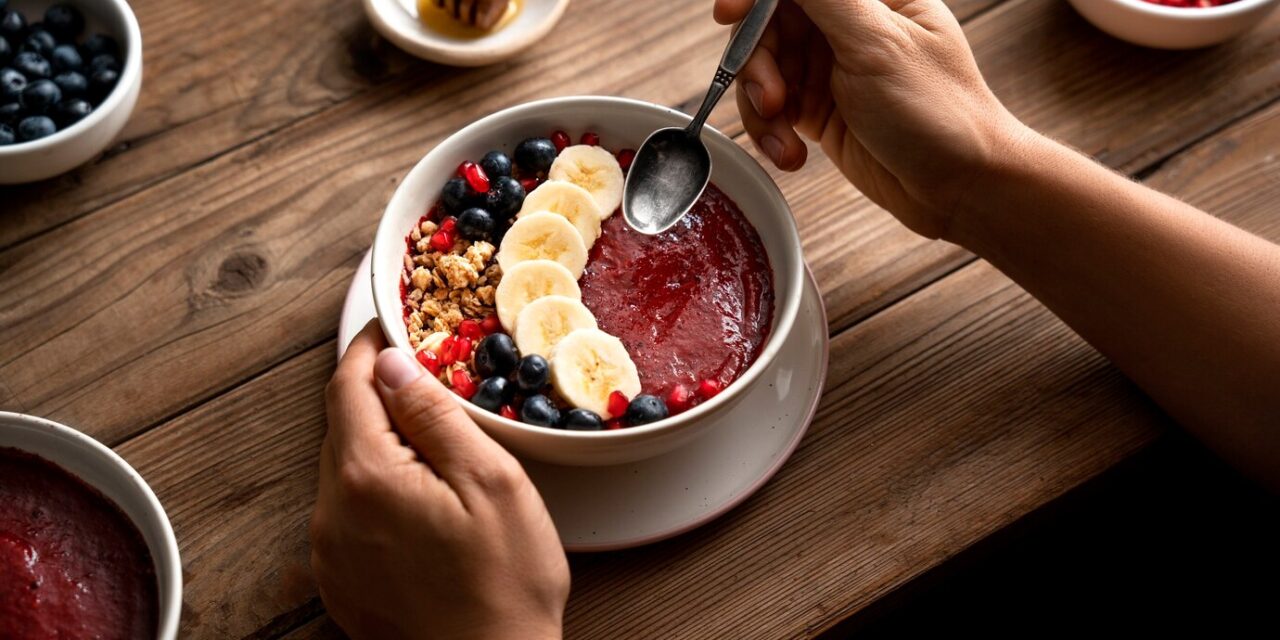
More than two decades ago, Brazilian açaí was virtually unknown in the United States. Thanks to two surfer brothers from Los Angeles — inspired by trips to Brazil and the country’s surf culture — the Amazonian berry would eventually become one of America’s biggest wellness and superfood trends.
By Livia Caroline Neves
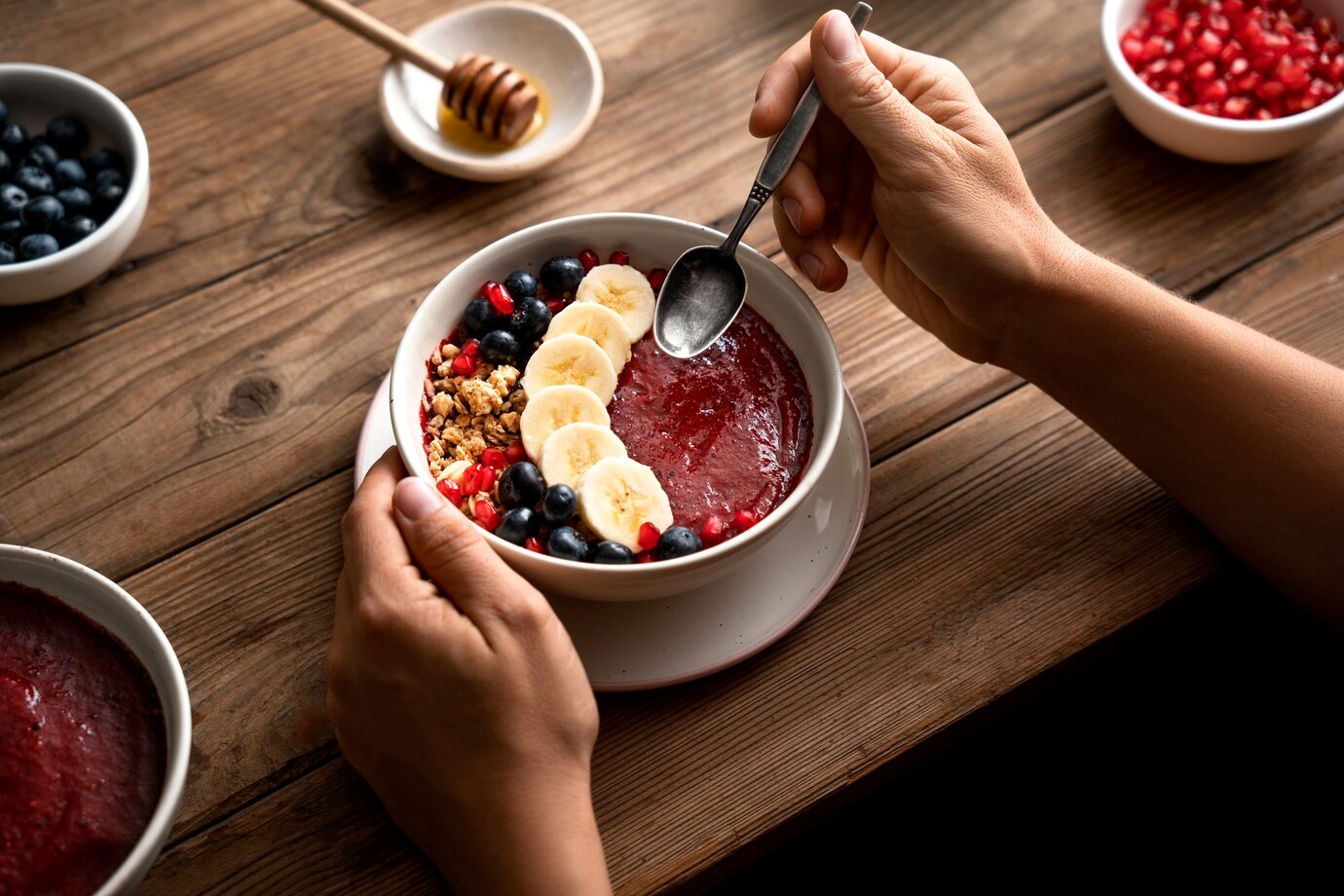
Açaí went from Brazilian beaches to becoming one of America’s biggest wellness trends
Today, açaí bowls are part of everyday life in cities like Los Angeles, New York City, and Chicago. Found in juice bars, health cafés, gyms, supermarkets, and social media feeds, the small purple berry from the Brazilian Amazon transformed from a regional Brazilian staple into an international wellness phenomenon.
But few people know the story of how açaí first entered the American market over two decades ago — largely thanks to two surfer brothers from Southern California.
The Surfer Brothers Who Introduced Açaí to America
Back in 2000, brothers Jeremy Black and Ryan Black co-founded Sambazon, becoming pioneers in bringing Brazilian açaí to the United States.
At the time, both brothers were deeply connected to California’s surf culture and healthy living lifestyle. According to people who knew them personally during those early years, their passion for Brazil, surfing, sustainability, and natural foods played a major role in shaping their vision.
One particularly personal connection helped introduce Jeremy Black to açaí itself. During a relationship with a Brazilian photographer from Rio de Janeiro who was living in Santa Barbara, Jeremy traveled to Brazil and experienced authentic açaí culture firsthand while visiting Rio.
That discovery would eventually help spark a business idea that changed the health food industry in America.
Interestingly, years later, Jeremy Black would marry Luiza Florence, the Brazilian journalist who later became the first Brazilian reporter in the history of the World Surf League.
From Brazilian Beaches to American Wellness Culture
In the early 2000s, açaí was still relatively unknown outside Brazil. But thanks to strong branding, sustainability-focused marketing, and growing interest in healthy lifestyles, the fruit quickly gained momentum in the U.S.
Celebrities and athletes helped fuel the trend, including surf legend Kelly Slater, skateboarder Bob Burnquist, singer Wynonna Judd, and television host Oprah Winfrey.
Its popularity exploded particularly among athletes, surfers, fitness enthusiasts, and health-conscious consumers.
Why Americans Fell in Love with Açaí
Part of açaí’s appeal comes from its unique combination of flavor, texture, and nutritional value.
Rich in antioxidants, healthy fats, and nutrients, the fruit became associated with energy, recovery, and wellness-focused diets.

Two surfer brothers from California helped introduce the Amazon berry to the U.S. market
In the United States, açaí evolved into several commercial forms, including:
- frozen smoothie packs;
- juices;
- supplements and capsules;
- energy drinks;
- and the famous açaí bowl topped with granola, bananas, strawberries, and honey.
The colorful presentation and association with active lifestyles made it especially popular on social media long before the era of TikTok wellness trends.
The Brazilian Legend Behind Açaí
Beyond nutrition, açaí also carries cultural and folkloric roots from the Brazilian Amazon.
According to a traditional Indigenous legend from the region near Belém, a tribal chief once prohibited births during a severe food shortage affecting his people.
Ironically, his own daughter, Iaçã, became pregnant. After losing her child due to the decree, she mourned deeply until one night she heard what sounded like her baby crying near a palm tree filled with dark purple fruits.
The next morning, she was found embracing the tree. The fruit was then harvested and used to feed the tribe, ending the famine. In tribute, the chief named the fruit “açaí” — “Iaçã” spelled backward.
Açaí Became More Than Food — It Became a Lifestyle
More than twenty years after entering the American market, açaí represents far more than a trendy smoothie bowl.
For many Brazilians abroad, it became a cultural symbol connected to beaches, surf culture, health, energy, and nostalgia from home.
And for American consumers, it helped open doors to broader appreciation of Brazilian food, Amazon sustainability, and wellness traditions.
What started with two surfer brothers discovering a fruit in Brazil eventually became one of the biggest superfood
movements in the United States.
Easy Açaí Recipe
Ingredients
- Half pound of frozen açaí pulp
- Half cup of granola
- One tablespoon of honey
- One ounce of guaraná syrup
- One-third of a banana
- One glass of mineral water
Blend everything with ice cubes. For a creamier version, add two scoops of vanilla or apple-flavored ice cream.
FAQ — Frequently Asked Questions
1. Who first brought açaí to the United States?
Jeremy Black and Ryan Black were among the pioneers responsible for introducing açaí commercially to the U.S. market.
2. What is Sambazon?
Sambazon is one of the first American companies to commercialize Brazilian açaí internationally.
3. Why did açaí become so popular in America?
Its nutritional benefits, association with healthy lifestyles, surf culture, and social media visibility helped boost its popularity.
4. Is açaí originally from Brazil?
Yes. Açaí is native to the Brazilian Amazon region.
5. Why is açaí associated with surfers and athletes?
Because it became especially popular among active lifestyle communities seeking natural energy and recovery foods.








Yes, most of that sugar is coming from fruit, which means it has enough fiber to keep it from being digested too quickly and overloading your system. (Unlike green juices .) So if your choices are a chocolate bar and an acai bowl, the bowl is definitely a healthier bet. But Americans tend to eat far too much sugar (refined and otherwise). And an acai bowl gives you a lot of sugar to have in just one meal.