Dance-Capoeira is an innovative artistic project created by Brazilian dancer and choreographer Gracy Ferrecetti that blends Afro-Brazilian dance, samba, percussion, and capoeira into a unique cultural experience. Developed in San Diego, California, the workshop celebrates Brazilian heritage while introducing participants to a dynamic new language of movement through music, rhythm, and martial arts.
By Lindenberg Junior

Created by Gracy Ferrecetti, the project celebrates Brazil’s rich cultural heritage through rhythm, music, and expression
Imagine warming up while exploring the vibrant world of Afro-Brazilian dance, the contagious rhythms of Brazil, the many expressions of samba—from Bahia’s samba de roda and samba reggae to Rio de Janeiro’s samba enredo—all while learning the foundations of capoeira, the iconic Brazilian martial art. Energetic, immersive, and inspiring, this is the essence of the Dance-Capoeira Project, created by the multi-talented Brazilian artist Gracy Ferrecetti in San Diego, California.
The innovative workshop invites participants on an imaginary journey through Brazil, combining traditional and contemporary dance styles with live percussion. Through music, movement, and cultural expression, students experience Brazilian rhythms in a way that is both physically engaging and artistically enriching.
Creating a New Artistic Language
Dancer, choreographer, percussionist, and capoeirista Gracy Ferrecetti developed the project after years of experience in both dance and capoeira.
“After many years of dance and capoeira experience, I had the idea to incorporate movements of capoeira to help my dance students by making Afro-Brazilian dance movements with better flexibility and push them toward a new, energetic and fun way to experience Brazilian dance rhythms,” says Gracy.
By combining the athletic movements of capoeira with the expressive qualities of Afro-Brazilian dance, she created a unique teaching method that enhances flexibility, coordination, rhythm, and creativity.
A Journey Rooted in Brazilian Culture
Gracy immigrated to the United States at a young age, settling in New York with her mother and sisters. During her childhood, she studied tap dance, ballet, and jazz, while also playing the viola for six years, earning first chair in her high school orchestra.
At the age of 16, she was invited by Emilia Biancardi, one of Brazil’s leading authorities on folklore and Afro-Brazilian culture, to perform with her renowned folkloric music and dance troupe IABAS.
For three years, Gracy immersed herself in Brazilian music and percussion while performing at prestigious venues, including the American Museum of Natural History in New York and the famous Bearsville Theater.
She was also deeply influenced by celebrated Brazilian choreographer Rosangela Silvestre, whose work with IABAS further shaped Gracy’s artistic vision.
Capoeira Becomes Part of the Journey
After relocating to California, Gracy began studying capoeira with Piriquito, from Capoeira Abadá, eventually earning her first batizado.
Soon afterward, she traveled extensively throughout Brazil, studying with various dance groups and deepening her understanding of Brazilian movement traditions.
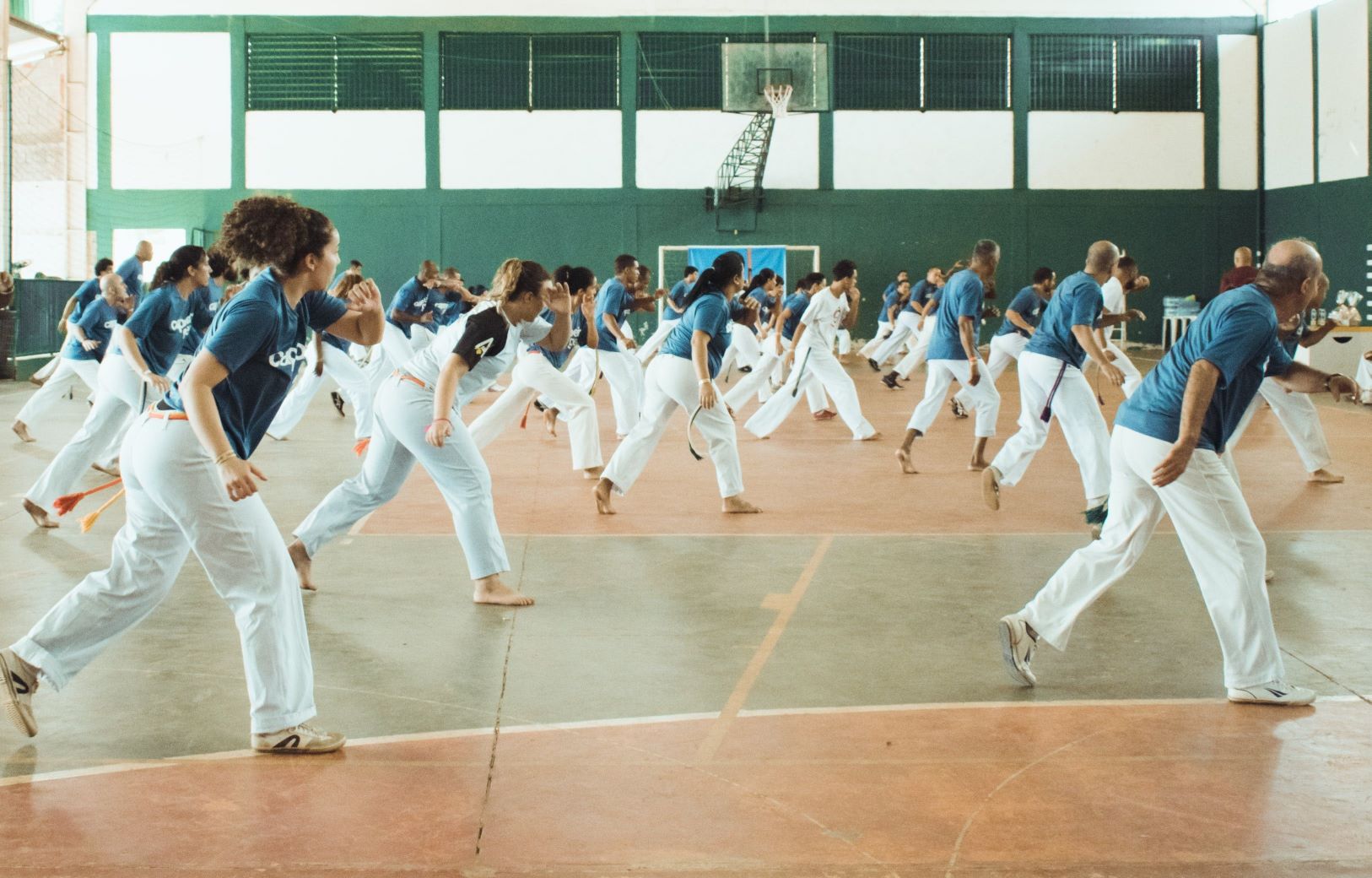
Gracy Ferrecetti’s artistic journey has helped preserve and share Brazilian culture across the United States
Returning to San Diego, she continued her capoeira training with Quilombos of San Diego, where she also recorded a capoeira music CD.
Her passion for Brazilian culture later took her back to New York and Europe, where she continued researching, performing, teaching, and refining her work in both dance and capoeira.
Building a Career Through Dance
While back in New York, Gracy performed alongside artists such as Juliana Aquino, Silvana Magida, and the Katende Band.
Upon returning to San Diego in 1997, she began teaching Afro-Brazilian dance at Soul Beat, a school dedicated to popular and traditional arts.
A few years later, she joined Capoeira Mandinga San Diego, founded by Contra-Mestre Paulo Batuta, further expanding her knowledge of the martial art.
Sharing Brazilian Culture Across the United States
Over the past decade, Gracy has taught workshops and classes at institutions including:
- University of California San Diego (UCSD)
- University of Illinois
- Tucson
- Las Vegas
- Virginia
She has choreographed numerous performances while continuing her training with respected Brazilian capoeira masters such as Deputado and Onça.
In 1996, she earned her Capoeira Professor certification, further establishing herself as both an educator and cultural ambassador.
The Birth of Dance-Capoeira
The inspiration behind the project came from one simple question:
“How can we do it all?”
Gracy’s answer was to merge the power, rhythm, musicality, athleticism, and cultural richness of Brazilian dance with the fluid movements of capoeira.
The concept was immediately embraced by her own students and soon attracted growing interest throughout San Diego and other cities, becoming an innovative way to experience Brazilian culture through movement.
Today, Dance-Capoeira continues to demonstrate that dance and martial arts are not separate disciplines but complementary forms of artistic expression capable of connecting people with Brazil’s rich cultural heritage.
*Gracy or “Professora Marron”, after several years teaching capoeira and dance in San Diego, California, have married and decided to focus on her hair stylist career and on her Gracy International Hair Design Salon business. To know more about her salon and services that includes nails, waxing, make up and massage visit www.gracyhair.com
Frequently Asked Questions – FAQ
1. What is Dance-Capoeira?
Dance-Capoeira is a cultural and artistic workshop created by Gracy Ferrecetti that combines Afro-Brazilian dance, samba, percussion, and capoeira into one immersive movement experience.
2. Who created the Dance-Capoeira Project?
The project was created by Brazilian dancer, choreographer, percussionist, and capoeirista Gracy Ferrecetti in San Diego, California.
3. Is Dance-Capoeira suitable for beginners?
Yes. The workshop introduces participants to Brazilian dance and capoeira fundamentals regardless of previous experience.
4. What styles of Brazilian dance are included?
Participants explore Afro-Brazilian dance, samba de roda, samba reggae, samba enredo, contemporary Brazilian dance, and live percussion.
5. What makes Dance-Capoeira unique?
Its originality lies in blending the athletic techniques of capoeira with the artistic expression of Brazilian dance, creating a new language of movement that emphasizes flexibility, rhythm, musicality, and cultural identity.