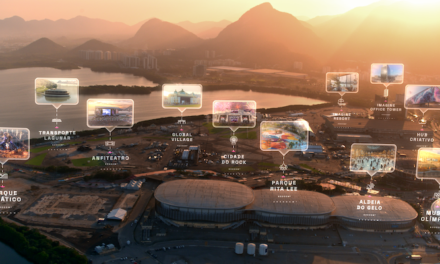
Brazil is one of the world’s most culturally diverse nations, blending Indigenous, African, European, Middle Eastern, and Asian influences into a unique identity. From the Amazon Rainforest and the beaches of the Northeast to Rio de Janeiro’s iconic landscapes and the waterfalls of Iguazu, Brazil offers unforgettable experiences for travelers seeking nature, culture, adventure, and hospitality.
Brazil offers some of the planet’s most extraordinary natural wonders
Brazil is much more than a destination—it is an experience. As the largest country in South America, Brazil combines extraordinary natural beauty, vibrant cities, rich traditions, and one of the most diverse populations on the planet.
Built through centuries of interaction among Indigenous peoples, Portuguese settlers, Africans, Italians, Germans, Japanese, Arabs, Spanish, Polish, Jewish communities, and immigrants from neighboring Latin American countries, Brazil developed a multicultural identity unlike anywhere else in the world.
Today, this diversity is reflected in the country’s music, cuisine, architecture, religious traditions, festivals, languages, and daily life.
Recent tourism data confirms Brazil’s growing global appeal. The country welcomed a record-breaking 9.2 million international visitors in 2025, the highest number ever recorded, representing a 37% increase compared to the previous year. Tourism authorities attribute the growth to expanded international flights, infrastructure improvements, and increased global interest in sustainable, cultural, and nature-based travel.
A Nation of Many Cultures
Brazilians may speak Portuguese, but their cultural influences come from every corner of the globe.
In the South, strong German, Italian, and Polish heritage is visible in architecture, cuisine, and local traditions. São Paulo is home to the largest Japanese community outside Japan. African influences remain deeply rooted in cities such as Salvador, Recife, and Rio de Janeiro, while Indigenous cultures continue to shape life throughout the Amazon and parts of the Northeast.
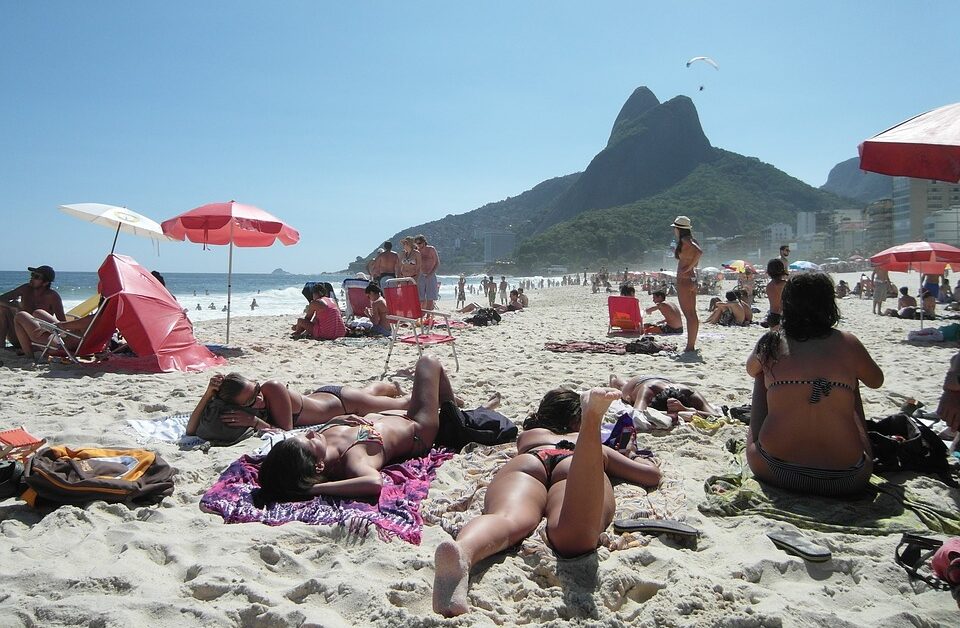
Brazil’s cultural diversity is reflected in every aspect of life, from food and music to festivals and traditions
This remarkable cultural fusion has created one of the world’s richest culinary landscapes, featuring everything from Amazonian fruits and seafood to European-inspired dishes and internationally recognized Brazilian barbecue.
Music, Celebration, and the Brazilian Way of Life
Brazil is internationally known for its vibrant lifestyle and joyful spirit.
The country gave the world Samba, Bossa Nova, Forró, Frevo, Maracatu, Axé, Choro, and Funk Carioca, among many other musical styles. Music is not simply entertainment in Brazil—it is part of everyday life.
This cultural energy reaches its peak during Carnival, one of the world’s largest celebrations, attracting millions of visitors annually and generating billions of dollars for the national economy.
Beyond the festivities, travelers consistently highlight the warmth, hospitality, humor, and friendliness of Brazilians as some of the country’s greatest attractions.
THE REGIONS OF BRAZIL
The North: Home of the Amazon
The North is dominated by the Amazon Rainforest, the largest tropical rainforest on Earth and one of the planet’s most important ecosystems.

Midwest Region is where visitors discover the modern architecture of Brasília and the incredible wildlife of the Pantanal
The Amazon Basin contains approximately 20% of the world’s flowing freshwater and shelters an extraordinary concentration of biodiversity. Ecotourism, wildlife observation, river expeditions, and Indigenous cultural experiences have become increasingly popular among international travelers seeking sustainable tourism experiences.
For many visitors, the Amazon represents one of the last great wilderness adventures.
The Northeast: Beaches, History, and Cultural Traditions
The Northeast is where many travelers discover the heart and soul of Brazil.
Known for its year-round warm climate, the region is home to some of the country’s most celebrated destinations, including:
- Jericoacoara
- Porto de Galinhas
- Fernando de Noronha
- Pipa Beach
- Itacaré
- Porto Seguro
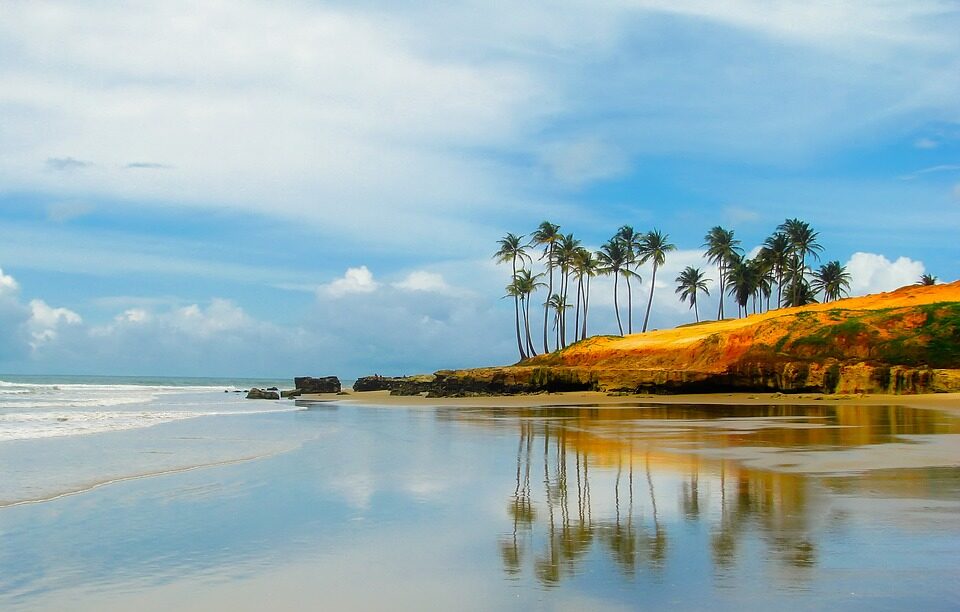
Northeast Region is famous for its year-round sunshine, stunning beaches, rich history, and vibrant cultural traditions.
The region also preserves some of Brazil’s most important colonial architecture and cultural traditions, including Forró, Frevo, Maracatu, and Afro-Brazilian heritage.
The Midwest: Nature and Modern Architecture
The Midwest showcases two very different faces of Brazil.
The first is Brasília, the nation’s capital and a masterpiece of modernist architecture recognized by UNESCO.
The second is the magnificent Pantanal, the world’s largest tropical wetland and one of the best places on Earth for wildlife observation.
Visitors can encounter jaguars, capybaras, caimans, giant anteaters, macaws, and hundreds of bird species in their natural habitat.
The Southeast: Brazil’s Global Showcase
The Southeast is Brazil’s most populous and economically dynamic region.
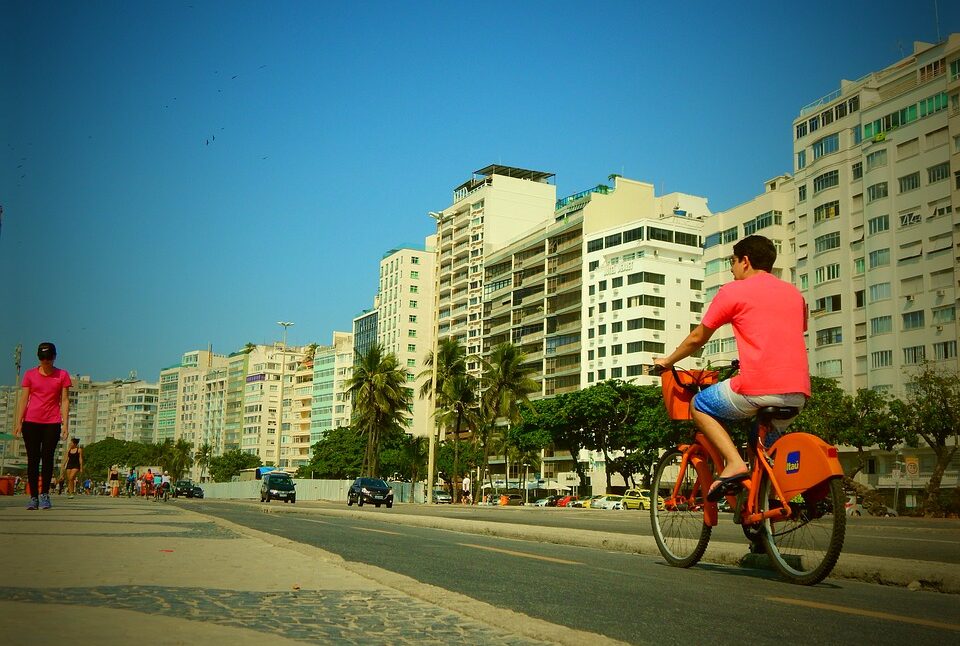
The iconic city of Rio de Janeiro continues to captivate visitors with its combination of mountains, beaches, urban energy, and world-famous Carnival celebrations.
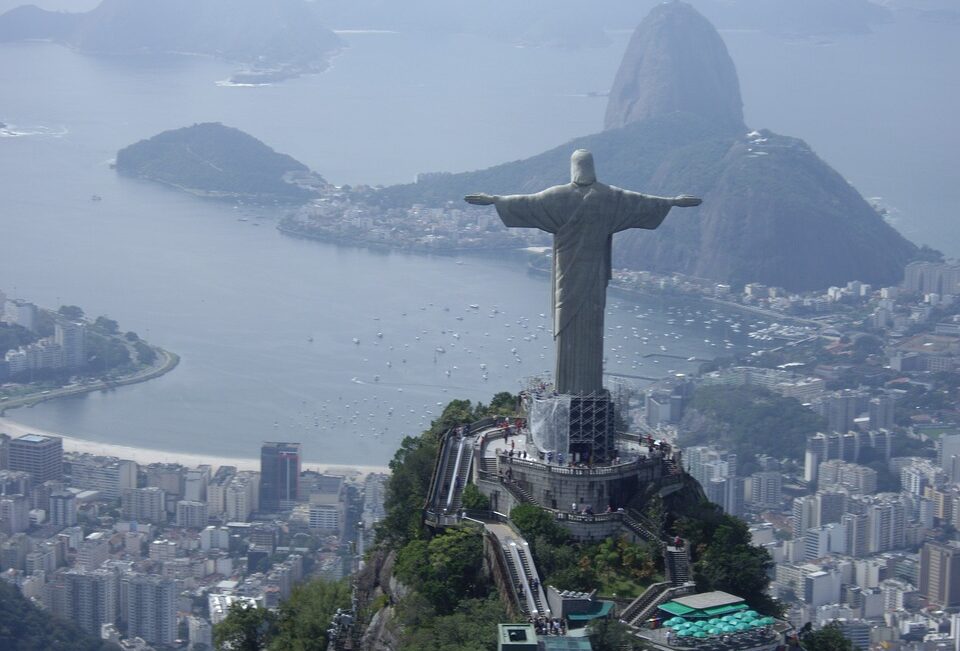
Southeast Region is Brazil’s economic and cultural center, featuring iconic destinations such as Rio de Janeiro and Minas Gerais
Nearby destinations such as Ilha Grande and Armação dos Búzios offer stunning coastal escapes.
In Minas Gerais, travelers can explore historic colonial towns including:
- Ouro Preto
- Tiradentes
- Diamantina
These destinations preserve centuries of Brazilian history, art, and architecture.
The South: European Heritage Meets Natural Beauty
The South offers a unique cultural atmosphere shaped by generations of European immigration.
One of the region’s greatest attractions is the spectacular Iguazu Falls, recognized as one of the most impressive waterfall systems in the world.
In Santa Catarina, visitors find beautiful beaches and charming coastal towns, while destinations such as Gramado and Canela showcase strong German and Italian influences through architecture, gastronomy, and cultural festivals.
TRAVEL INFORMATION FOR U.S. RESIDENTS
Entry Requirements
Travel requirements can change periodically. U.S., Canadian, and Australian citizens should always verify current visa rules before departure through official Brazilian government channels and consulates, as Brazil has reinstated electronic visa requirements for certain nationalities in recent years.
Currency
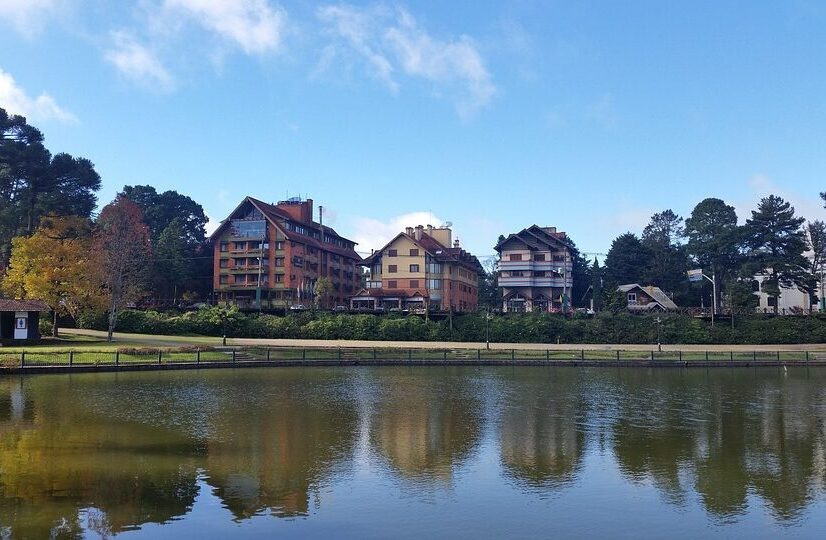
South Region blends European heritage, spectacular natural landscapes, charming towns, and the world-famous Iguazu Falls
Brazil’s official currency is the Brazilian Real (BRL – R$). Credit cards, debit cards, and digital payments are widely accepted throughout the country.
Climate
Brazil’s climate varies significantly by region:
- Tropical rainforest climate in the Amazon
- Tropical coastal climate in much of the Northeast
- Mild subtropical weather in the South
- Distinct dry and rainy seasons in the Midwest
Since Brazil is located in the Southern Hemisphere, seasons are opposite to those in the United States.
Religion
Brazil remains predominantly Christian, with Catholicism historically being the largest faith. However, Evangelical Christianity has grown significantly in recent decades. The country also embraces religious diversity, including Judaism, Islam, Spiritism, Indigenous traditions, Candomblé, Umbanda, and other faiths.
WHY BRAZIL IS BOOMING IN GLOBAL TOURISM
Brazil’s tourism industry is experiencing unprecedented growth.
The country welcomed more than 9.2 million international visitors in 2025, setting a new historical record and positioning Brazil among the fastest-growing tourism destinations worldwide. Government data also shows strong increases in international air connectivity and tourism revenue.
Experts point to several factors behind this success:
- Growing interest in ecotourism
- Sustainable travel experiences
- Cultural tourism
- Digital nomad opportunities
- Expanded international flight networks
- Increased promotion of Brazil abroad
- EMBRATUR – Official Brazilian Travel and Tourism Bureau
www.embratur.gov.br
Entry Requirements
A visa is required for foreign citizens wishing to visit Brazil. Passport should be valid for six months from the intended date of arrival in Brazil. They can be obtained through the nearest Brazilian consulate in your area. More information in the links below:
- Brazilian Embassy – Consular Service in Washington DC
District of Columbia, states of Kentucky, Maryland, Ohio, Virginia and West Virginia 3009 Whitehaven Street, N.W. Washington, DC 20008
Tel: 202-238-2828 / Fax: 202-238-2818
E-mail: consular@brasilemb.org / Homepage: www.brasilemb.org
Consulado-Geral do Brasil em Nova York
Consulate General of Brazil in Houston
Consulate General of Brazil in Los Angeles
Consulado Geral do Brasil em Miami
Consulate General of Brazil in San Francisco
Consulado-Geral do Brasil em Toronto
Consulado-Geral do Brasil -Sydney Australia
Consolato Generale del Brasile – Milano
* For airline tickets from the U.S to Brazil or Latin America, customized travel packages, hotels and cruises, please visit our travel agent page or contact Magali Da Silva by phone or whatsapp: 1 (323) 428-1963.
FAQ – FREQUENTLY ASKED QUESTIONS
1. Is Brazil safe for tourists?
Most tourist destinations are safe when visitors follow common travel precautions. As in any major destination, awareness of surroundings and local guidance is recommended.
2. What is the best time to visit Brazil?
Brazil can be visited year-round. Beach destinations are popular throughout the year, while the Amazon and Pantanal may offer different experiences depending on seasonal conditions.
3. Do Americans need a visa to visit Brazil?
Travel requirements may change. Travelers should always consult official Brazilian government sources before booking their trip.
4. What are Brazil’s most famous attractions?
The Amazon Rainforest, Rio de Janeiro, Iguazu Falls, Fernando de Noronha, the Pantanal, Salvador, and the beaches of the Northeast are among the country’s top attractions.
5. Why is Brazil considered culturally diverse?
Brazil’s identity was shaped by Indigenous peoples and centuries of immigration from Europe, Africa, the Middle East, and Asia, creating one of the most multicultural societies in the world.