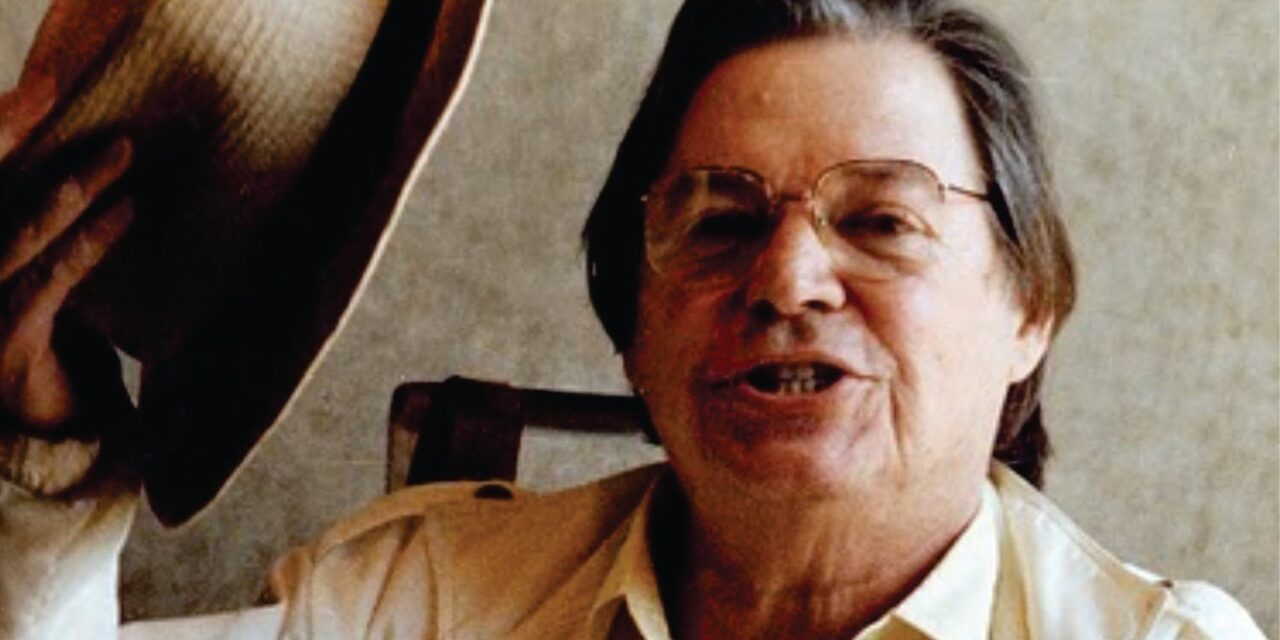
Brazil is widely recognized as one of the richest musical cultures in the world, shaped by African, European, and Indigenous influences. From samba and bossa nova to classical and folkloric traditions, Brazilian music has become a global cultural force, represented by iconic artists such as Tom Jobim, Gilberto Gil, and Pixinguinha.
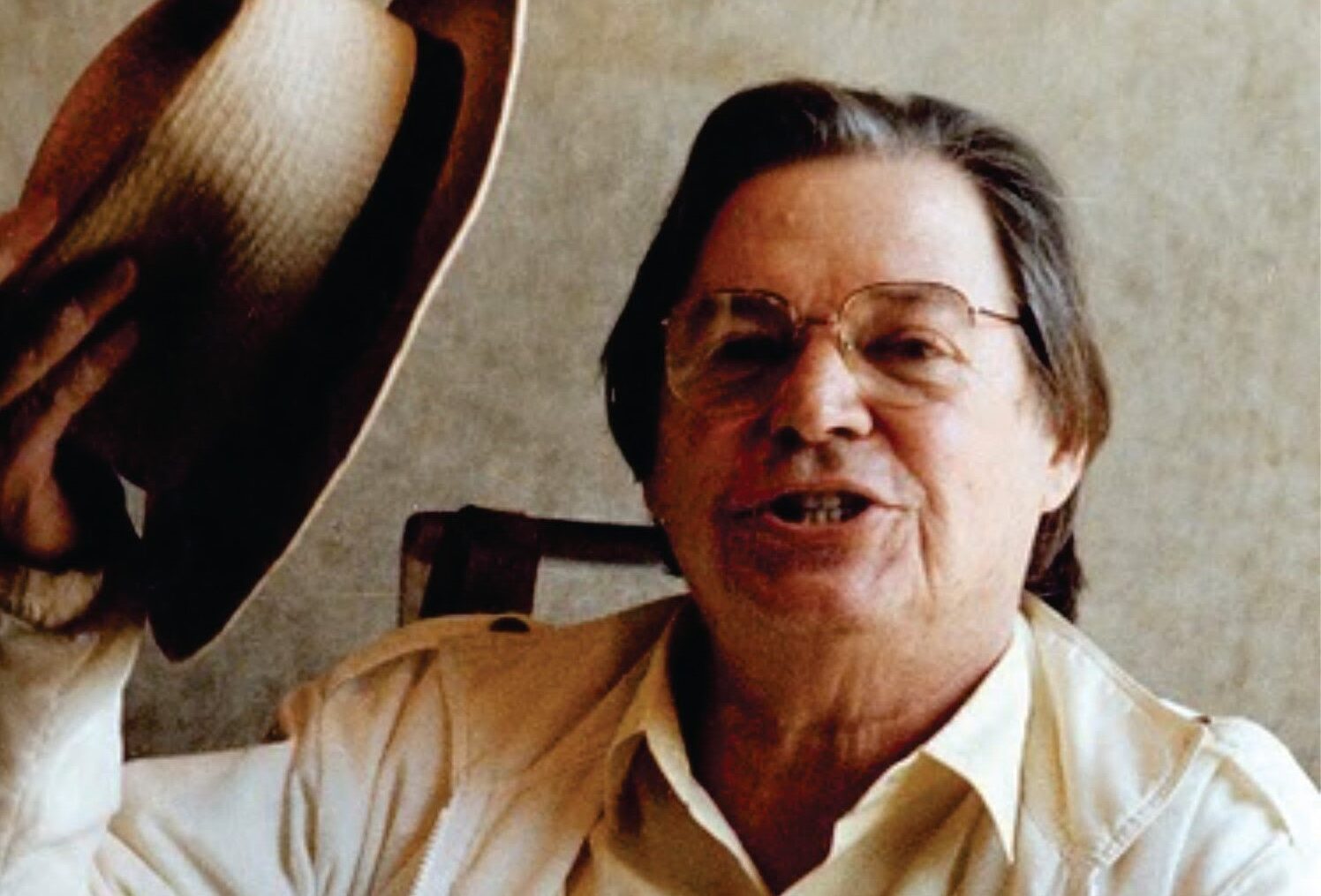
Brazilian music is shaped by a fusion of African, European, and Indigenous influences.
Brazil has always stood out for its extraordinary musical diversity and cultural richness.
Its music is not only a form of entertainment but also a powerful expression of identity, history, and cultural fusion.
Since the 1940s, Brazilian music has played a major role in influencing global culture, exporting rhythm, creativity, and innovation to the world.
In Brazil, music is more than art — it is a cultural language and a national ambassador.
A Nation Built on Musical Diversity
Brazilian music is the result of a deep cultural mixture formed by three major influences:
- African heritage
- European traditions
- Indigenous cultures
This fusion created one of the most unique and diverse musical landscapes in the world.
Across generations, Brazil has produced musicians whose work transcends borders and continues to influence global soundscapes.
Legendary Artists Who Shaped Brazilian Music
Brazilian musical history is marked by extraordinary artists who helped define its identity and elevate it internationally.
Some of the most influential names include:
- Tom Jobim
- João Gilberto
- Hermeto Pascoal
- Cartola
- Pixinguinha
- Heitor Villa-Lobos
- Ary Barroso
- Carmen Miranda
- Clementina de Jesus
- Vinicius de Moraes
- Beth Carvalho
- Caetano Veloso
- Gilberto Gil
These artists represent different eras, styles, and movements, but they all share one common impact:
They transformed Brazilian music into a global cultural reference.
European Influence on Brazilian Instruments
Portuguese colonization introduced several musical instruments that became central to Brazilian music traditions.
These include:
- Flute
- Clarinet
- Guitar
- Piano
- Violin
- Cello
- Accordion
- Tambourine
- Cavaquinho
The cavaquinho, in particular, became essential in samba and pagode traditions.
This small four-string instrument later influenced global music as well, becoming the inspiration for the Hawaiian ukulele.
African Roots and Rhythmic Power
African influence is one of the strongest foundations of Brazilian music.
Beginning around the 16th century, African rhythms and traditions profoundly shaped Brazilian musical identity, especially in rhythm, percussion, and dance.
This heritage contributed to the creation of genres such as:
- Samba
- Maracatu
- Bumba-meu-boi
- Lundu
- Cateretê
- Cacuri
African percussion instruments also became essential to Brazilian music, including:
- Atabaques
- Surdo
- Tamborim
These instruments remain central to samba schools, Afro-Brazilian religious traditions, and popular music expressions.
Indigenous Contributions to Brazilian Sound
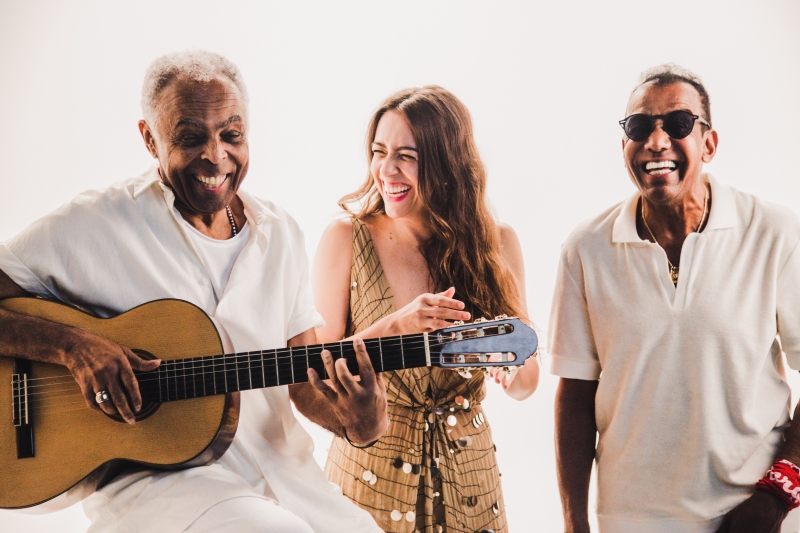
Brazilian music has become a global cultural force and symbol of artistic innovation
Indigenous peoples also played a fundamental role in shaping Brazil’s musical identity.
Historical accounts describe Indigenous communities as deeply musical, with strong traditions of rhythm, improvisation, and dance.
Indigenous instruments include:
- Maracas
- Rattles
- Drums
- Flutes
- Whistles
- Horns
These instruments reflect a deep connection between music, nature, and spiritual expression.
Brazilian Music as a Global Cultural Force
Over time, Brazil developed a musical identity that is both deeply local and globally influential.
From samba schools to bossa nova stages, Brazilian music has reached audiences worldwide, becoming a symbol of creativity and cultural fusion.
Its global impact is not just artistic — it is also cultural diplomacy.
Brazilian music communicates:
- Identity
- Diversity
- Emotion
- History
- Unity through rhythm
Why Brazilian Music Stands Out Worldwide
Brazil’s musical richness comes from its ability to blend influences while maintaining originality.
Unlike many musical traditions that follow a single dominant style, Brazil embraces diversity as its core strength.
This results in:
- Constant innovation
- Genre diversity
- Strong regional identities
- Global artistic influence
Brazilian music continues to evolve while staying deeply connected to its cultural roots.
Final Thoughts
Brazil is not only a country with rich music — it is a country where music defines identity.
Its sound is built from centuries of cultural fusion, combining African rhythms, European instrumentation, and Indigenous traditions into something entirely unique.
From samba to bossa nova, from classical compositions to popular rhythms, Brazilian music continues to shape global culture.
More than entertainment, it is a living expression of history, identity, and creativity.
FAQ – Frequently Asked Questions
1. Why is Brazil considered musically rich?
Because it combines African, European, and Indigenous influences, creating one of the most diverse musical cultures in the world.
2. What are the most famous Brazilian music genres?
Samba, bossa nova, MPB (Música Popular Brasileira), maracatu, and forró are among the most recognized.
3. Who are the most important Brazilian musicians?
Artists like Tom Jobim, Gilberto Gil, Caetano Veloso, Pixinguinha, and João Gilberto are among the most influential.
4. What is the role of African culture in Brazilian music?
African traditions heavily influenced Brazilian rhythms, percussion instruments, and dance styles such as samba.
5. How has Brazilian music influenced the world?
Brazilian music has shaped global genres, inspired international artists, and contributed significantly to world music culture.