For many Brazilians living abroad, faith and spirituality become ways to cope with distance, nostalgia, and cultural identity. Through personal stories of artists and musicians in the United States, this article explores how saudade, memory, and diverse spiritual traditions shape the emotional lives of Brazilians far from home.
By Katia Moraes

Brazilian spirituality blends Catholic roots with Buddhism, Evangelical faith, Spiritism, and Afro-Brazilian traditions.
Brazilian spirituality is rarely defined by a single religion. Instead, it reflects a rich blend of traditions, including:
• Catholicism, historically the dominant faith
• Evangelical Christianity, which has grown rapidly in recent decades
• Spiritism (Kardecism), widely practiced in Brazil
• Afro-Brazilian religions, such as Candomblé and Umbanda
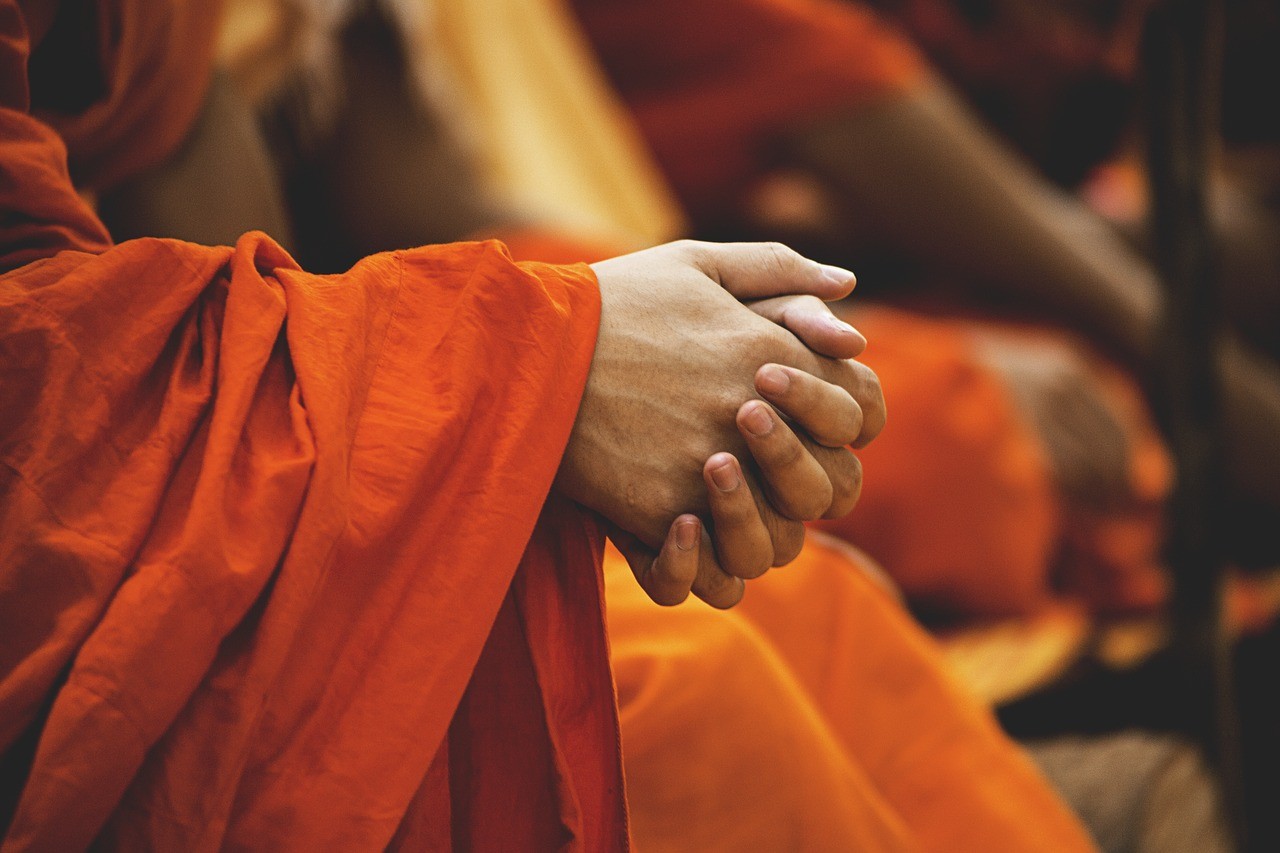
• Buddhism and other Eastern philosophies
This spiritual diversity often becomes even more meaningful for Brazilians living abroad, where questions of identity, belonging, and emotional resilience become more pronounced.
Melancholy at the End of the Year
In early November, I learned that my friend Daniel had suffered a nervous breakdown. After a doctor evaluated his condition, he was taken to a hospital. The news stayed with me and triggered a deeper reflection on a feeling many Brazilians know well: melancholy, especially toward the end of the year.
This emotional weight is sometimes mistaken for seasonal depression, but it goes far beyond weather or calendar changes.
In Brazil, November and December mean summer, celebrations, and family gatherings. Yet for Brazilians living abroad, the distance from these traditions can intensify feelings of loneliness and nostalgia.
The reflection led me to revisit Gandhi’s autobiography, Buddhism, and my own spiritual search. Like writer William Styron once described, melancholy can be a form of “psychic sadness,” rooted in memory, identity, and belonging.
Faith, Distance, and Cultural Memory
One Thursday in November, I spoke with Brazilian singers Sônia Santos and Ana Gazzola, both artists living in Los Angeles.
Ana remembers Christmas in Rio Grande do Sul, Brazil’s southernmost state, as a joyful and deeply Catholic tradition.
Her mother organized:
• Religious services at home
• Live Nativity scenes
• Gatherings filled with children, prayer, and music
After moving to the United States, Ana gradually distanced herself from the Church as an institution, though not from faith itself.
Today she still prays and holds onto her mother’s belief that she is protected by six guardian angels. More recently, she has found peace chanting the Buddhist mantra “Nam Myoho Renge Kyo,” which brings her a sense of lightness and hope.
Sônia, raised in Rio de Janeiro, grew up in a Kardecist spiritualist household. Every Christmas, her father reflected on how people often transformed Christ’s birthday into excess and spectacle.
Living in the U.S., she struggled to find the same warmth and spiritual dialogue she knew in Brazil.
Her solution was simple but meaningful:
• Long phone calls with family in Brazil
• Conversations about faith and daily life
• Maintaining emotional ties despite distance
The calls were expensive, but as she says, the comfort was worth it.
Hypocrisy, Spirituality, and Personal Faith
For singer Renni Flores, from Bahia, leaving Catholicism came after witnessing what she felt was a painful contradiction between religious sermons and everyday behavior.
Today, her spirituality is deeply personal. She speaks to God by candlelight, finding meaning in quiet moments of reflection.
For many Brazilians, disappointment with religious hypocrisy leads to a more intimate relationship with faith.
A similar story comes from Amén Santo, president of the Brasil Brasil Cultural Center.
He grew up surrounded by Candomblé traditions while also attending Catholic church services, a common cultural combination in Brazil. Yet he never felt comfortable with:
• Religious hypocrisy
• Institutional rigidity
• The consumerism surrounding Christmas
On the other hand, pianist and composer Rique Pantoja identifies strongly as a Christian. For him, hypocrisy is a human flaw rather than a religious one.
Prayer remains a daily practice—a constant conversation with God.
Meanwhile, Alfredo Fulchignoni, raised in an Italian Catholic family, became an Evangelical Christian in 1992. Through his work with the Kingdom Broadcast Network, he views the end of the year as a time for:
• Reflection
• Spiritual discipline
• Renewal of faith
Music, Faith, and Identity Abroad
Music also plays a powerful role in how Brazilians experience faith outside their homeland.
Drummer Sandro Feliciano associates Christmas with family, tradition, and worship. In the United States, he plays gospel music at a non-denominational church.
One reason he felt drawn to American churches was their strong musical presence during worship, something he felt was less prominent in Brazil at the time he emigrated.
Artist Áureo Silva, meanwhile, grew up in a strict Baptist household, where drinking and smoking were forbidden.
As a teenager, he rebelled against those rules. Today he describes himself as spiritual rather than religious, connecting with an inner guide during moments of imbalance.
Saudade: The Spiritual Weight of Memory
Most Brazilians I spoke with were raised Catholic. Many participated in Nativity scenes, church choirs, and Christmas traditions.
Today, however, they often define themselves as spiritual human beings rather than followers of a single religion.
What frequently triggers melancholy is saudade — the Portuguese word for a deep emotional longing.
Saudade for:
• A mother’s rabanada (Brazilian Christmas French toast)
• A grandmother’s cafuné, that gentle affectionate gesture
• An aunt’s bacalhau stew
• Long conversations over wine and laughter
There is also sadness rooted in social awareness — the understanding that many families in Brazil still struggle to afford gifts or even food during the holidays.
Brazilians, however, remain deeply hopeful.
My wish is that in the near future every Brazilian has access to three meals a day, quality education, and real opportunities.
Because faith, after all, is not only about religion — it is about dignity, memory, and hope.
* Katia Moraes is a singer, songwriter, and visual artist from Rio de Janeiro. She has been a contributor to Soul Brasil Magazine for many years and has lived in Los Angeles since 1990 – @brazilianheartbykatiamoraes

Brazilians in general are people with faith and hope
FAQ – Frequently Asked Questions
What is “saudade” in Brazilian culture?
Saudade is a Portuguese word that describes a deep emotional longing for people, places, or moments that are absent. It plays a central role in Brazilian identity and emotional life.
How do Brazilians experience faith when living abroad?
Many Brazilians become more spiritual than religious, adapting their beliefs to personal practices rather than formal institutions.
Is Catholicism still dominant among Brazilians?
While many Brazilians are raised Catholic, a large number explore other spiritual paths, including Evangelical Christianity, Buddhism, Kardecism, and Afro-Brazilian religions.
Why does the end of the year bring melancholy for Brazilians abroad?
Holidays intensify feelings of distance from family, traditions, and cultural warmth, often triggering saudade and emotional reflection.
How does music influence Brazilian spirituality?
Music plays a powerful role in worship and spiritual expression, especially for Brazilians living in the U.S., where church music is more prominent.