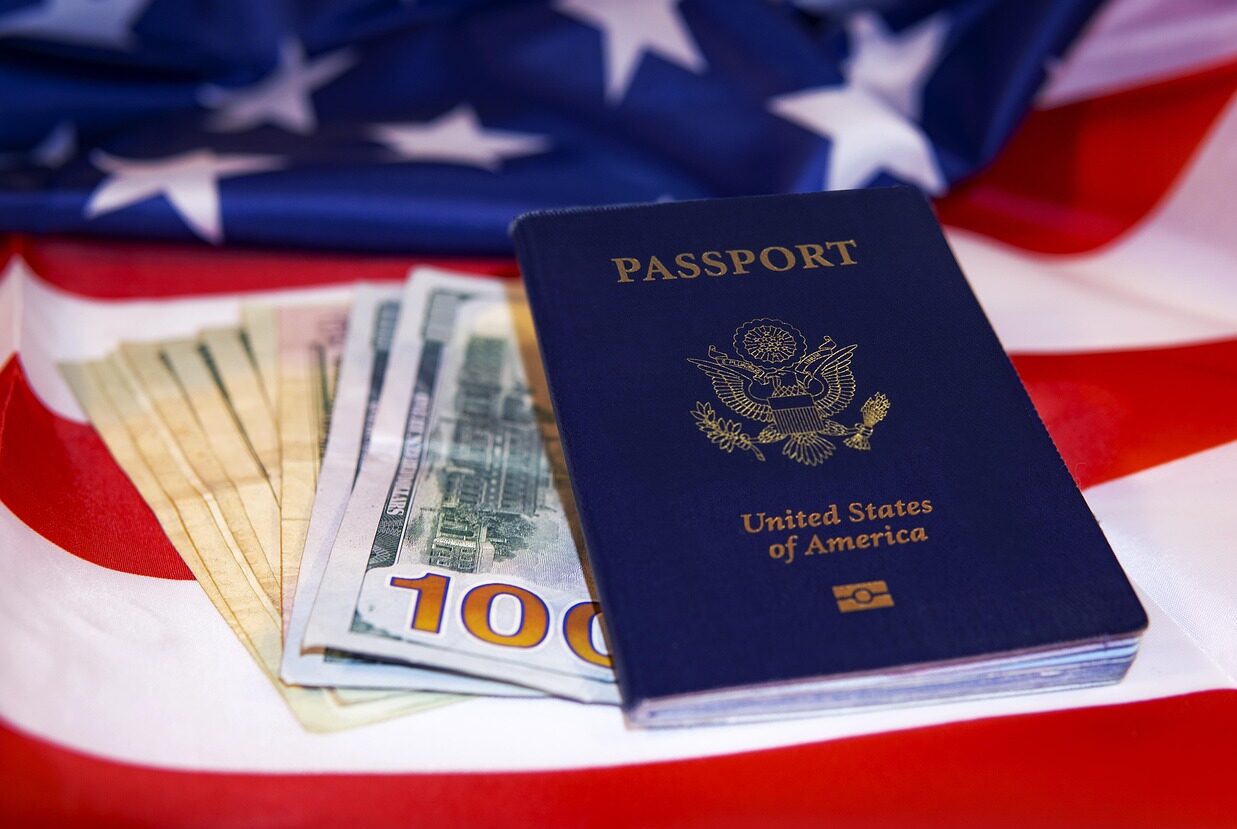
The United States is home to approximately 624,000 residents who identify as Brazilian, according to the most recent data from the 2024 American Community Survey. Within California, the counties of Los Angeles, San Diego, Orange, and Santa Clara are among the primary hubs for Brazilian communities. California, which has the largest concentration of Hispanic or Latino residents – accounting for 41.2% of the state’s population – is home to roughly 39.6 million people who identify as Latino according to the same data.
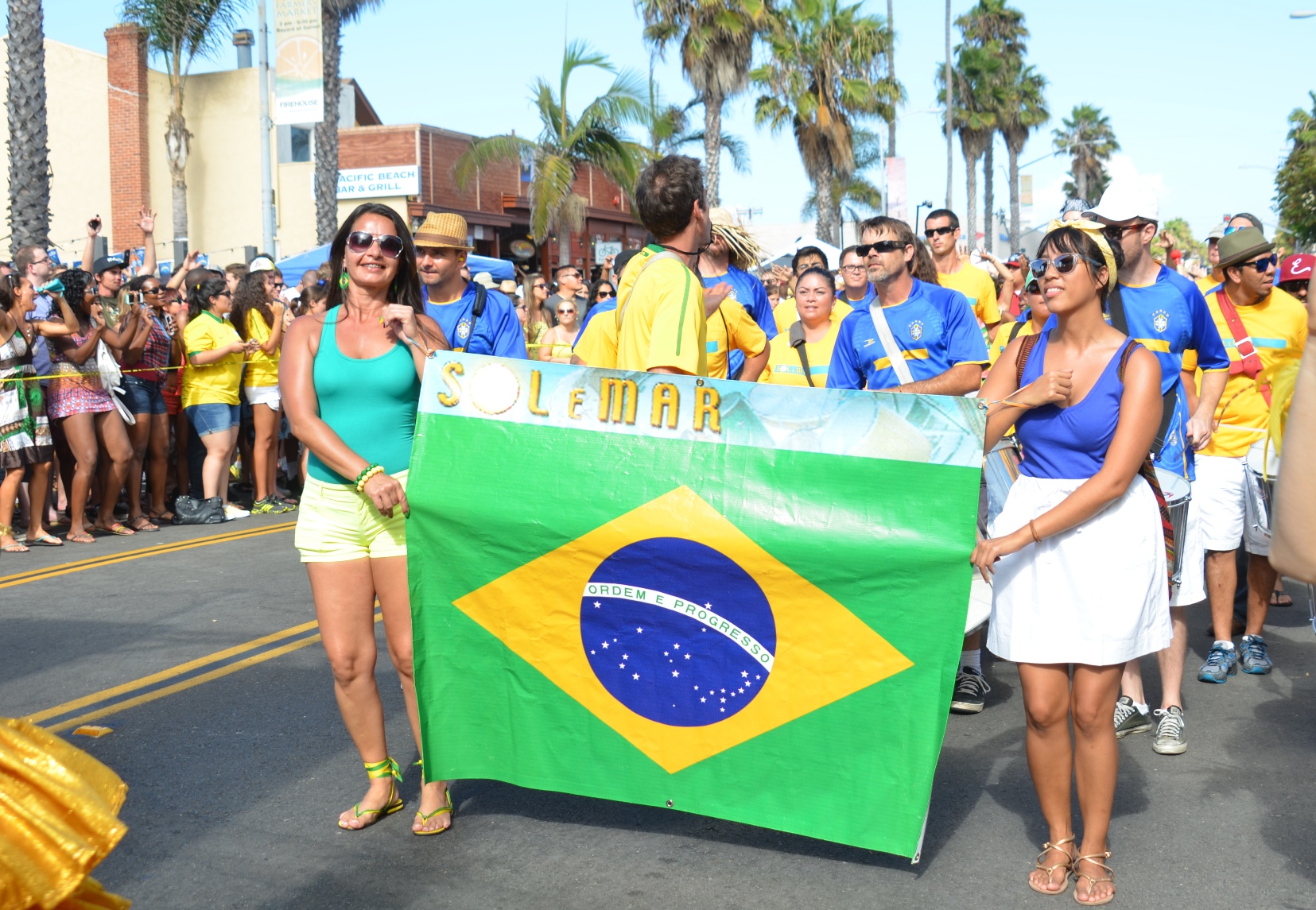
Unofficially, it is known that there are more than 1 million Brazilians in the U.S
The Brazilian population in the United States is part of a diverse immigrant community that contributes to the country’s cultural, economic and professional life. California, known for Hollywood, its beaches, surf culture and multicultural cities, continues to attract Brazilians interested in living, working, studying or building businesses in the United States. In the golden state, in particular, many cities are considered sanctuaries, which are against the anti-illegal immigrant policy.
According to the U.S. Census Bureau’s 2024 American Community Survey (ACS), approximately 624,383 people in the United States were identified in the Brazilian population category, based on the survey’s population profile. This is the latest annual ACS estimate available as of October 19, 2026. The next annual estimates, covering 2025, are scheduled for release on October 29, 2026. Unofficially, it is estimated that there are more than a million Brazilians in the U.S.
For Brazilians still living in Brazil and considering a move to the U.S., California remains an appealing destination because of its climate, natural scenery, entertainment industry, educational institutions and professional opportunities. However, housing, health insurance, transportation and other living expenses should be considered before making a decision.
THE LATINO POPULATION IN THE UNITED STATES AND CALIFORNIA
The Latino population is one of the largest demographic groups in the United States. California has the largest Hispanic or Latino population of any state and a long history of cultural exchange and immigration. According to the Census Bureau’s QuickFacts data for 2020–2024, approximately 41.2% of Califor
nia residents identify as Hispanic or Latino, while 32.5% identify as White alone, not Hispanic or Latino. These figures reflect the Census Bureau’s racial and ethnic categories and should not be confused with ancestry figures.
California’s total population was estimated at approximately 39.5 million in early 2026, according to the California Department of Finance’s state population estimates. This provides an updated picture of the state’s overall population, although the latest available detailed Latino demographic percentage cited here covers the 2020–2024 period. California is the state with the largest Latino community in the country, followed by Texas, while, in a matter of city, Los Angeles ranked first followed by New York City.
Latino communities play a major role in California’s workforce, businesses, schools, public life and cultural identity. Younger generations are also an important part of the state’s demographic future, as are families with roots in Mexico, Central America, South America and other regions.
WHERE ARE THERE MORE BRAZILIANS IN CALIFORNIA?
Earlier unofficial estimates suggested that more than 95,000 Brazilians lived in California, with the largest concentrations in Greater Los Angeles, the San Francisco Bay Area and Greater San Diego. Because those figures do not represent a verified current official count, they should not be presented as the state’s confirmed Brazilian population in 2026. The Census Bureau’s 2024 American Community Survey provides a more consistent basis for comparing California counties.

The top 5 California counties with the largest Brazilian-ancestry populations are Los Angeles, San Diego, Orange, Santa Clara, and Contra Costa counties.
According to the 2024 ACS five-year estimates, the counties with the largest numbers of residents reporting Brazilian ancestry include:
- Los Angeles County: 13,379 people.
- San Diego County: 6,661 people.
- Orange County: 4,042 people.
- Santa Clara County: 3,595 people.
- Contra Costa County: 3,375 people.
- San Mateo County: 3,007 people.
- Alameda County: 2,448 people.
These figures are estimates of people reporting to be Brazilians, not a complete count of Brazilian citizens or everyone born in Brazil. The five-year survey combines data collected over 2020–2024, so it should not be described as a direct count taken in 2026. Even with these limitations, the estimates show the importance of Greater Los Angeles, Orange County, San Diego and the Bay Area as centers of Brazilian community life. Brazilians also live in other parts of California, including Ventura, Santa Barbara and Sacramento.
LATINO POPULATION INCOME AND MORE DATA
Earlier research, including the report Latinos in the Golden State: An Analysis of Demographic and Economic Trends, documented changes in Latino household income and poverty in California. Those findings are useful historical context, but they should not be treated as current 2026 income figures.
Income, employment and poverty rates vary by location, education, household composition and other factors.
For Brazilians planning to move to California, comparing local salaries with housing, health insurance, transportation and everyday expenses is particularly important. California is known for its high housing costs, especially in Greater Los Angeles and the San Francisco Bay Area. A higher salary does not automatically translate into greater purchasing power when rent, health care and other expenses are taken into account.
The state’s changing demographics also have implications for businesses, schools, public services and the labor market. Latino residents make up a substantial share of California’s population, while Brazilian communities contribute to the state’s cultural diversity, entrepreneurship, arts and professional networks.
WHY DOES CALIFORNIA ATTRACT BRAZILIANS?
Despite its high cost of living, California continues to attract residents from other U.S. states and countries. For Brazilians, the appeal includes the climate, beaches, outdoor recreation, entertainment, higher education, technology and professional opportunities. Hollywood and the entertainment industry have long contributed to California’s international image. Surf culture, diverse neighborhoods and the presence of Brazilian cultural and professional networks also make the state attractive to people seeking a connection to Brazilian life while living abroad.
Immigration policy is another consideration for some prospective residents. California has state laws limiting the use of certain state and local resources for federal immigration enforcement. However, these protections do not prevent all federal immigration enforcement, guarantee immigration status or replace the need to understand federal immigration law.
Brazilians considering a move should consult current official information and qualified legal professionals when immigration status or eligibility is relevant to their circumstances. The California Department of Justice’s Immigration Resources provides information about available protections amd servoces.
California also attracts Brazilians who already live in states such as Florida, Texas, New York and Massachusetts. Some are drawn by career opportunities, while others seek a different climate, lifestyle or connection to Brazilian communities.
BRAZILIAN CULTURE AND COMMUNITY LIFE IN CALIFORNIA

Brazilian Artists at the 2018 Los Angeles Brazilian Film Festival
Brazilian communities help preserve cultural traditions through music, dance, food, festivals, social gatherings and professional networks. From Los Angeles and Orange County to San Diego and San Francisco, Brazilian artists, entrepreneurs and community leaders contribute to California’s multicultural identity.
Soul Brasil has covered these connections through stories about Brazilians living and working in California. Readers can explore the California Local Brazilian Musicians Series as axample. For Brazilians already living in the United States, these communities can provide opportunities to build friendships, discover cultural events and maintain a connection to their heritage. For those planning to relocate, learning about local communities and the practical realities of life in California can be an important first step.
The Brazilian population is only one part of the broader demographic story of the United States. The latest available census estimates provide a useful picture of where residents reporting to be Brazilians lives, while Latino population figures help explain the wider cultural and economic context in which Brazilian communities continue to develop.
FAQ — FREQUENTLY ASKED QUESTIONS
- How many Brazilians live in the United States in 2026?
The latest annual ACS estimate available on October 19, 2026, identifies approximately 624,383 people in the Brazilian population category. The 2025 ACS annual estimates are scheduled for release on October 29, 2026.
- Where do most Brazilians live in California?
Los Angeles County has the largest reported Brazilian-ancestry population among California counties, followed by San Diego County and Orange County in the 2024 ACS estimates.
- What percentage of California’s population is Latino?
The Census Bureau’s 2020–2024 QuickFacts data indicate that 41.2% of California residents identify as Hispanic or Latino.
- Are Brazilians included in U.S. Latino population statistics?
Not automatically. Brazilian ancestry and Hispanic or Latino origin are measured differently by the Census Bureau, although individuals may identify with more than one background.
- Why do Brazilians move to California?
Common attractions include the climate, beaches, professional opportunities, education and cultural diversity. The high cost of housing and health care is an important consideration for prospective residents.