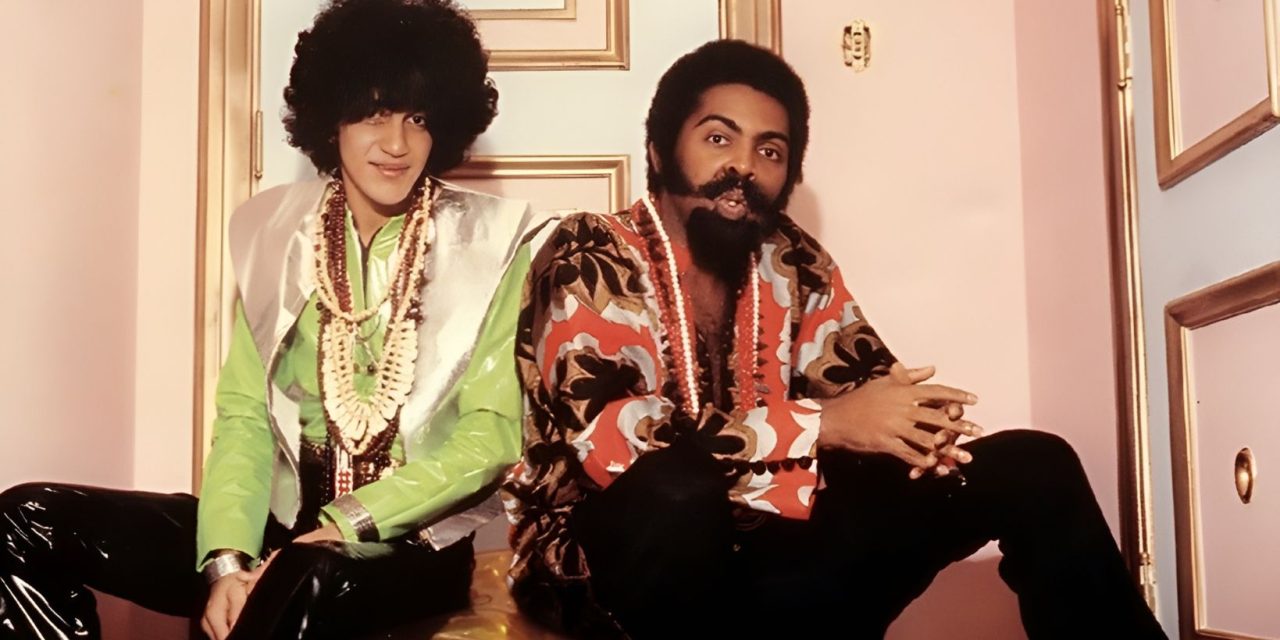
Brazilian music is one of the world’s richest cultural expressions, blending Indigenous, African, European, and immigrant influences into globally celebrated rhythms like samba and bossa nova. From Dorival Caymmi to Caetano Veloso and Gilberto Gil, Brazil transformed musical diversity into an international cultural identity admired across generations.
By Liliana Falabella
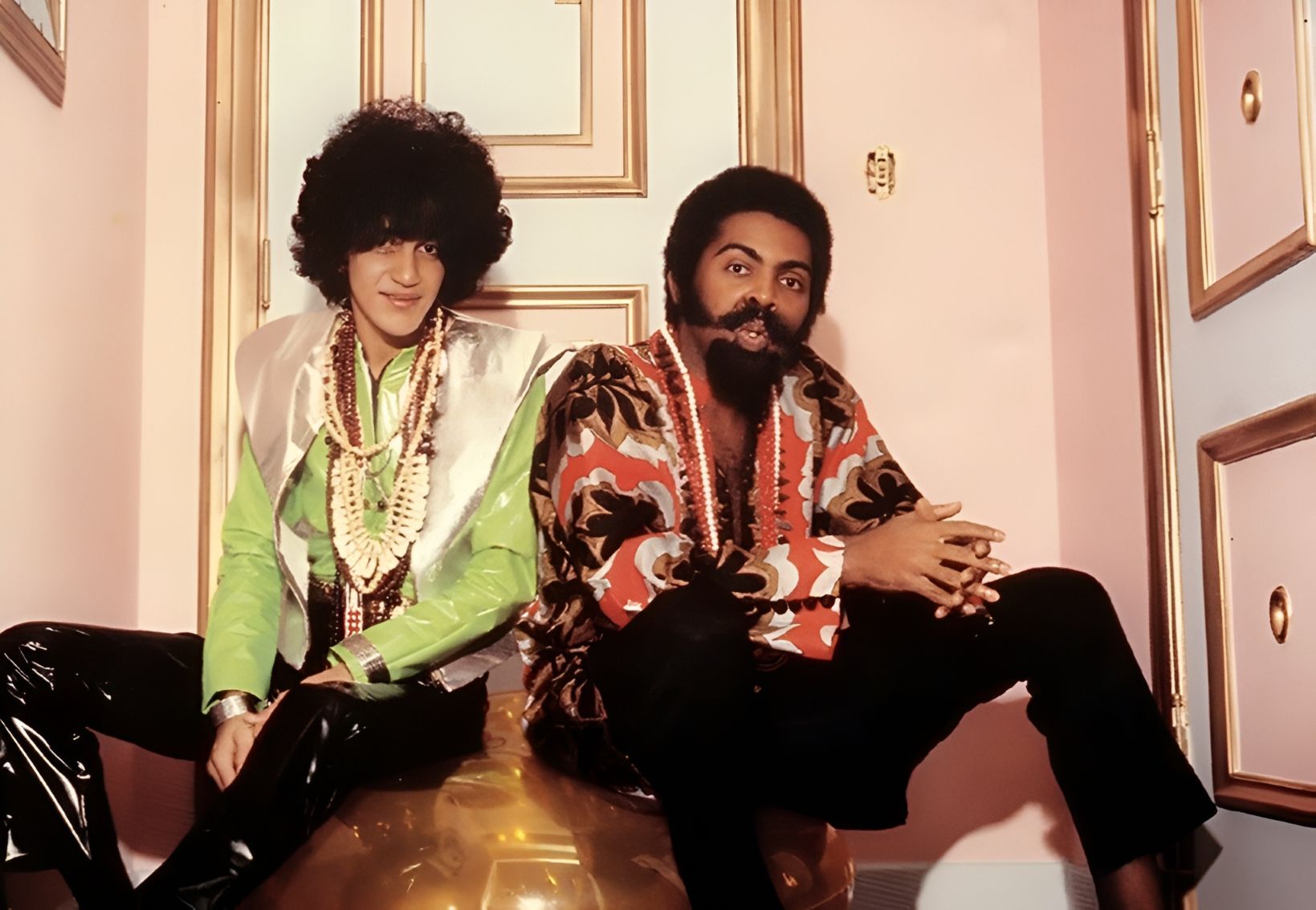
Brazilian music transformed cultural diversity into one of the world’s most recognizable sounds.
Brazilian music has long fascinated audiences around the world for its diversity of rhythms, emotional depth, and cultural richness. Few countries have managed to transform such a wide variety of influences into a sound so uniquely recognizable.
Lately, I have been listening to the work of Dorival Caymmi, one of Brazil’s most iconic composers. Although he is no longer with us, his music and artistic legacy remain alive, representing Brazil at its finest.
Dorival Caymmi and the Soul of Brazil
Caymmi’s music captures the essence of Brazil’s coastal life, traditions, spirituality, and connection with nature. His compositions help explain why Brazilian music continues to resonate internationally decades later.
Around the world, Brazilian music is admired and celebrated. Its rhythms and melodies are instantly recognizable to anyone who has had contact with it. In places like California, for example, it is easy to find both Brazilians and non-Brazilians performing and embracing Brazilian music.
Just like soccer, Brazilian music has become a global phenomenon.
The Global Impact of Bossa Nova
During the 1960s, Bossa Nova played a major role in introducing Brazilian music to international audiences. The movement opened doors for countless other Brazilian rhythms and artists to thrive beyond Brazil’s borders.
Names such as Antônio Carlos Jobim, João Gilberto, Sergio Mendes, Gilberto Gil, and Caetano Veloso became internationally revered. More recently, artists like Céu, Ed Motta, Lenine, Maria Rita, and Seu Jorge have continued expanding Brazil’s musical influence abroad.
Brazilian music constantly reinvents itself while remaining deeply connected to its roots.
A Fusion of Cultures and Rhythms
Since colonial times, Brazilian music has been shaped by the encounter of multiple cultures. Indigenous peoples, African slaves, and European settlers all contributed sounds, rhythms, instruments, and traditions that still echo in contemporary music.
By the late 19th and early 20th centuries, new waves of immigrants arriving in Brazil added even more cultural influences to the country’s artistic identity.
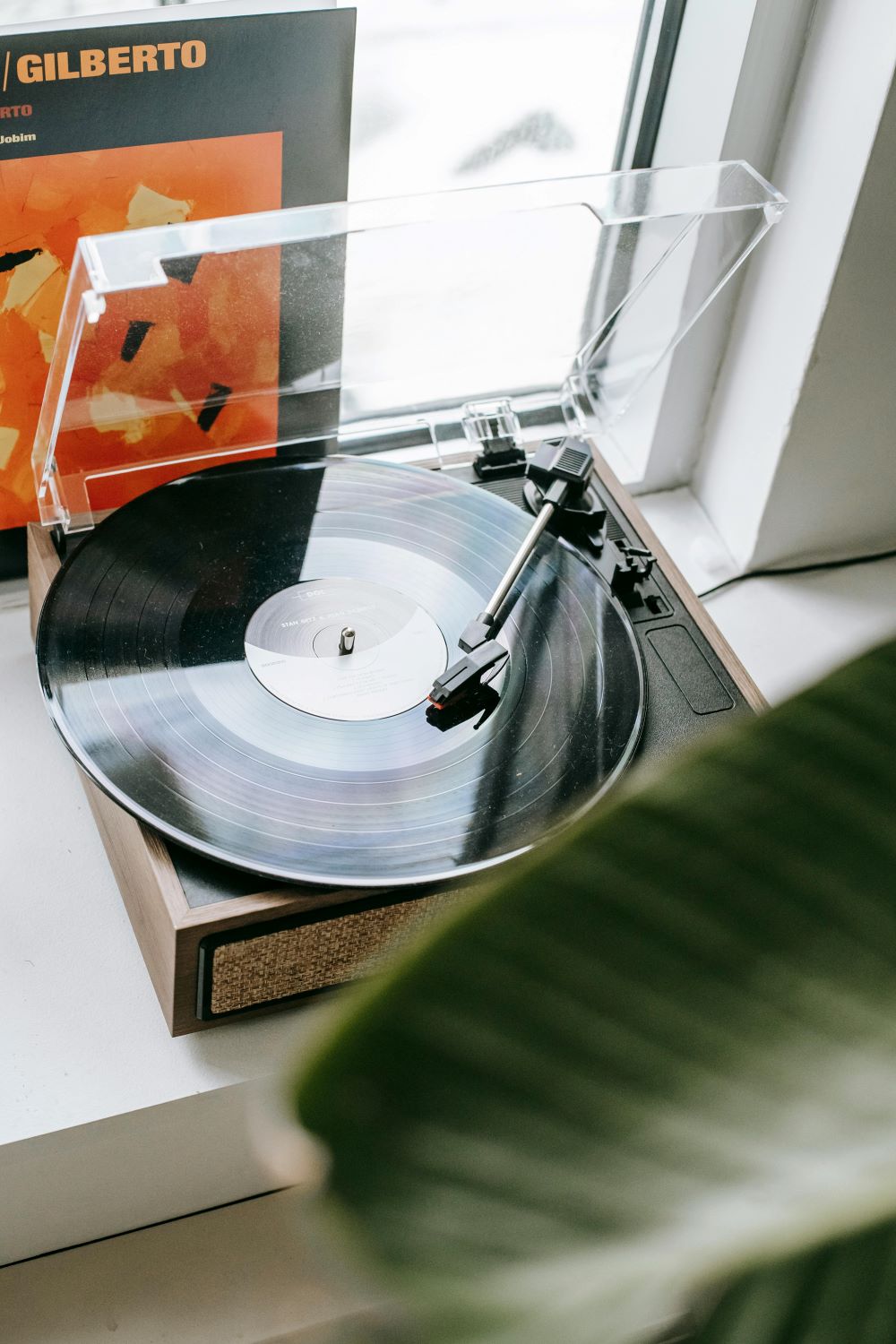
Tropicália revolutionized Brazilian music by combining local rhythms with global influences
These influences remain present in 21st-century Brazilian music, which continues to absorb and reinterpret sounds from around the world.
Tropicalia and Brazil’s Musical Revolution
The 1960s also brought the revolutionary Tropicália movement, which challenged traditional ideas of what Brazilian music was supposed to be.
Artists blended rock, samba, psychedelia, poetry, politics, and experimental sounds into a bold new artistic movement that reshaped Brazil’s cultural identity.
This process reflects the Brazilian concept of “Anthropofagia” — the idea of culturally “devouring” outside influences and transforming them into something authentically Brazilian.
In music, Brazil absorbs global inspirations and gives them back to the world with its own unmistakable identity.
Nature, Spirituality, and Brazilian Identity
Brazilian music is also deeply connected to nature and spirituality. The sounds of rivers, forests, the ocean, and wildlife have always inspired Brazilian artists and remain central to the country’s cultural imagination.
The first inhabitants of Brazil valued nature as sacred, and many of these spiritual and symbolic connections still echo through Brazilian rhythms and lyrics today.
More than entertainment, Brazilian music serves as a reflection of Brazil’s history, diversity, and soul.
FAQ — Frequently Asked Questions
1. Why is Brazilian music so popular worldwide?
Brazilian music combines rich rhythms, emotional melodies, and multicultural influences that appeal to audiences from different countries and generations.
2. What is the most internationally recognized Brazilian music style?
Bossa Nova is considered the most internationally recognized Brazilian genre, especially after its global success during the 1960s.
3. Who are the most famous Brazilian musicians internationally?
Some of the most recognized names include Antônio Carlos Jobim, João Gilberto, Gilberto Gil, Caetano Veloso, Sergio Mendes, and Seu Jorge.
4. What cultural influences shaped Brazilian music?
Brazilian music was influenced by Indigenous traditions, African rhythms, European melodies, and immigrant cultures from various parts of the world.
5. What is Tropicália in Brazilian music?
Tropicália was a cultural and musical movement from the 1960s that mixed Brazilian rhythms with rock, experimental music, and political expression.