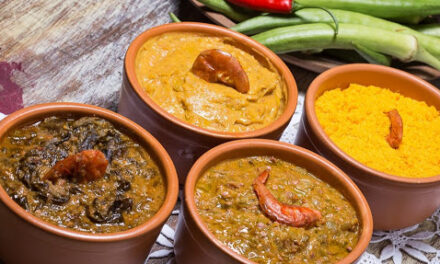
Caruru is one of the most traditional dishes from the Brazilian state of Bahia, combining African, Indigenous, and Brazilian culinary influences into a rich and flavorful recipe. Made primarily with okra and shrimp, the dish carries deep cultural and religious significance while remaining a beloved staple of Bahian cuisine.
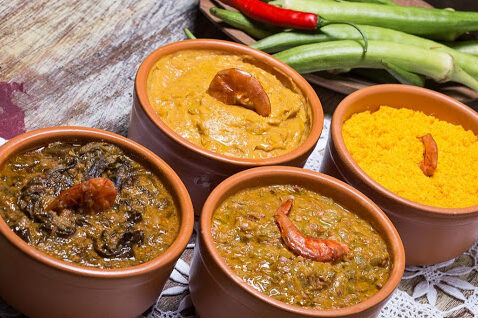
Traditional Brazilian Bahian Style Caruru dish usually is served with okra and dried shrimp and accompanied by vatapa, beans and rice.
Brazilian cuisine is known worldwide for its diversity, and few regional traditions are as culturally rich as the food from Bahia, in Northeastern Brazil.
Among Bahia’s most iconic dishes is Caruru, a flavorful recipe traditionally prepared with:
- Okra
- Fresh shrimp
- Dried shrimp
- Palm oil
- Herbs and spices
More than simply a meal, Caruru reflects centuries of cultural fusion between African, Indigenous, and Portuguese traditions that helped shape Brazilian identity.
The dish is especially popular in the state of Bahia, where it is commonly served in restaurants on Fridays and Saturdays alongside other famous regional specialties.
The African and Religious Roots of Caruru
Caruru carries strong spiritual and historical significance in Afro-Brazilian culture.
The dish is traditionally associated with offerings made to the Orixá Xangô under the name Amalá, as well as to the Ibejis, deities connected to children and duality in Afro-Brazilian religious traditions.
Due to Brazil’s strong religious syncretism — the blending of African and Catholic traditions — Caruru also became associated with celebrations honoring:
- São Cosme
- São Damião
These celebrations remain deeply rooted in Bahian culture and are often marked by gatherings, music, prayer, and the sharing of traditional foods.
A Traditional Bahian Culinary Experience
In Bahia, Caruru is rarely served alone.
The dish is traditionally accompanied by several other beloved Bahian specialties, including:
- Vatapá
- White rice
- Beans
- Galinha de Xinxim
- Fish stew
- Cod dishes
- Shellfish
Together, these foods create a colorful and flavorful dining experience strongly connected to Northeastern Brazilian identity.
The use of palm oil, seafood, peanuts, and herbs gives Bahian cuisine its distinctive flavor profile, heavily influenced by African culinary traditions brought to Brazil during the colonial period.
Ingredients for Traditional Bahian Caruru

Palm oil, shrimp, and okra give Caruru its unmistakable Bahian identity
1 kg fresh shrimp, 250g of dried shrimp, 1 kg of okra, 100g of roasted and ground peanuts, 4 tablespoons of oil, 1 tablespoon of palm oil, 1 onion, 3 tomatoes, 1 clove of garlic, 1 bay leaf, 3 tablespoons of parsley, salt, and cilantro.
Preparation:
Peel and grind the dried shrimp. Scrape the okra with a knife, wash and cut into rings. Put the oil, the grated onion, the crushed garlic, the chopped tomatoes, the cilantro and the bay leaves in a pan. Sauté well and add the fresh shrimp, the dried and the okra.
Now add the parsley and let it simmer. If necessary, add a little water. When cooked, if you like, add the peanuts to thicken. Cook some more and add the palm. Serve with white rice.
Why Bahian Cuisine Fascinates Food Lovers Worldwide
Bahian cuisine has gained international recognition for its vibrant flavors, rich textures, and strong cultural identity.
Many dishes from Bahia represent the blending of traditions from:
- Africa
- Indigenous Brazil
- Portugal
This culinary heritage has transformed Bahia into one of Brazil’s most celebrated gastronomic destinations.
For many Brazilians living abroad, traditional dishes like Caruru also serve as emotional connections to home, family, and cultural roots.
FAQ – Frequently Asked Questions
1. What is Caruru?
Caruru is a traditional Bahian dish made primarily with okra, shrimp, palm oil, herbs, and spices, deeply connected to Afro-Brazilian culture.
2. Where does Caruru originate from?
Caruru originates from the Brazilian state of Bahia in Northeastern Brazil.
3. Why is Caruru culturally important?
The dish has strong African religious influences and is traditionally associated with Afro-Brazilian spiritual practices and Catholic celebrations.
4. What is usually served with Caruru?
Caruru is commonly served with white rice, vatapá, beans, seafood, and other traditional Bahian dishes.
5. What gives Bahian cuisine its unique flavor?
Ingredients such as palm oil, seafood, peanuts, coconut, herbs, and African-inspired seasonings create Bahia’s distinctive culinary identity.