Brazilian tapioca is a naturally gluten-free flatbread made from hydrated cassava starch and traditionally filled with grated coconut. Learn how to prepare this iconic dish from Northeast Brazil, discover ingredient substitutions in the U.S., and find out where to buy tapioca starch.
By Chef Maria Pia Peter
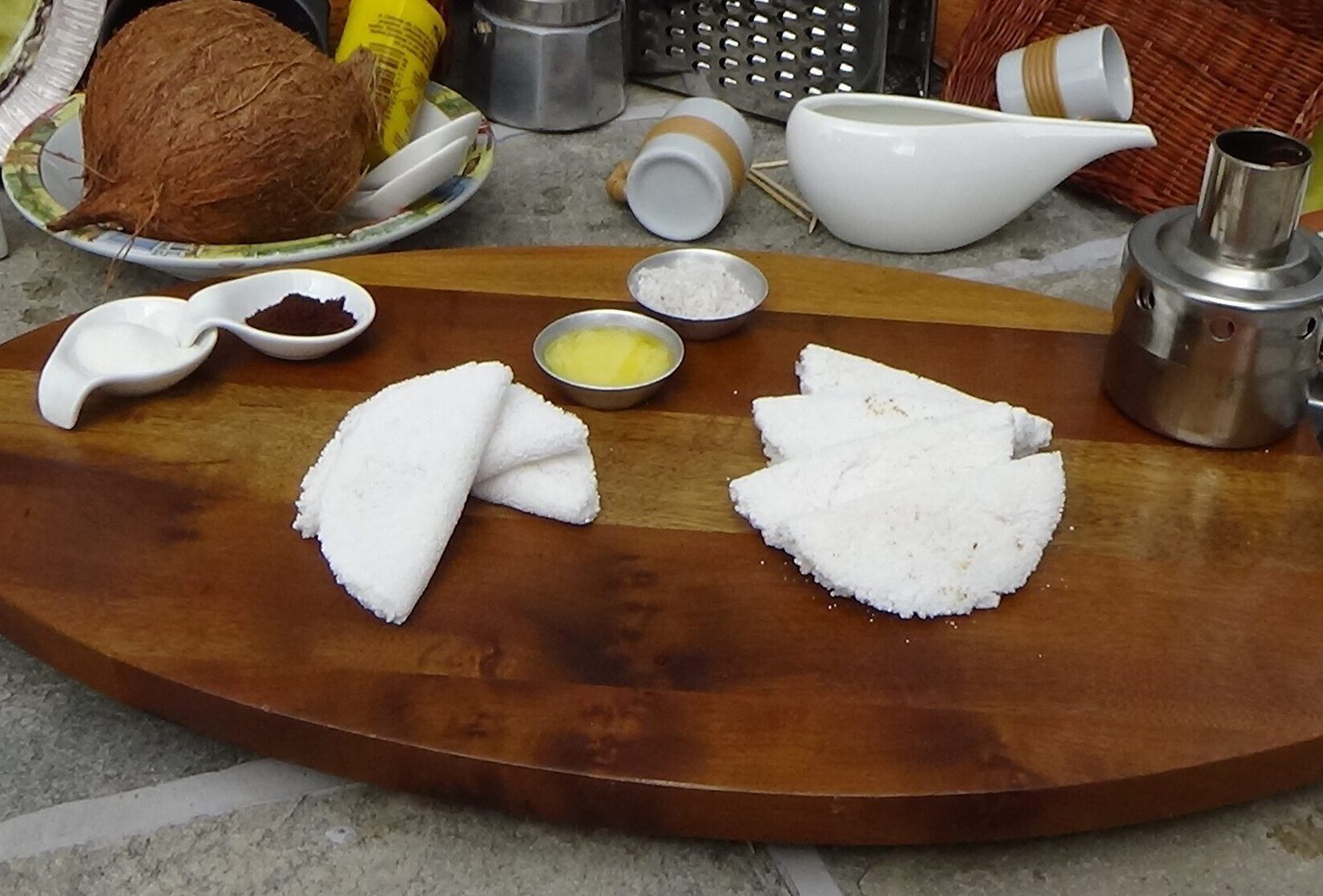
Brazilian tapioca is one of Northeast Brazil’s most iconic and naturally gluten-free dishes
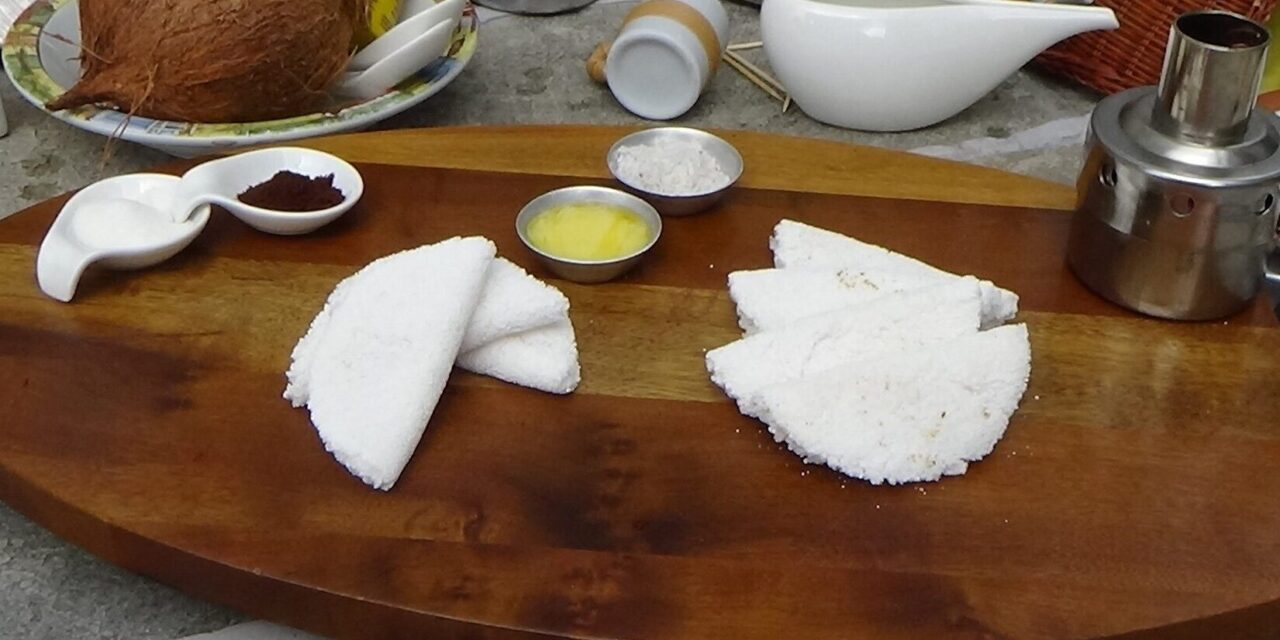
Brazilian cuisine is filled with regional treasures, and few are as beloved as traditional tapioca. Originally from Northeast Brazil, this naturally gluten-free delicacy has become one of the country’s most popular breakfast and snack options.
Over the years, Brazilian cooks have reinvented the classic recipe by adding sweet fillings such as chocolate, dulce de leche, fruits, and other creative ingredients. Even so, the traditional coconut version remains one of the most authentic expressions of Northeastern cuisine.
Healthy, naturally low in fat, and gluten-free, tapioca is also simple to prepare, requiring only a handful of ingredients.
Ingredients
To prepare traditional Brazilian tapioca, you will need 1 cup of hydrated manioc (cassava) starch, a pinch of salt, and a small amount of butter. For the classic filling, use 1 cup of freshly grated coconut, one of the most traditional ingredients in Northeast Brazilian cuisine.
If you would like to add a savory touch, authentic Brazilian queijo coalho is the ideal choice. However, if it is not available where you live, Mexican queso fresco or buffalo mozzarella are excellent substitutes, offering a similar texture and flavor that pair beautifully with tapioca.
How to Make Brazilian Tapioca
Start by sifting the hydrated manioc starch together with the salt to remove any lumps. Heat a non-stick skillet over medium heat and evenly spread the starch across the surface without stirring. As it heats, the starch will naturally bind together, forming a soft, flexible disc.
Once the tapioca is firm, add the grated coconut or your favorite filling if you’d like to create a different variation. Fold the tapioca into a half-moon shape, lightly butter both sides, and return it to the skillet for about one more minute. Serve immediately while warm.
Where to Find Tapioca Starch

Hydrated tapioca starch is widely available in Brazilian grocery stores across the United States
In Brazil, fresh hydrated manioc starch has traditionally been sold at farmers’ markets, especially throughout the Northeast. As tapioca became popular across the country, ready-to-use packaged versions also became widely available in supermarkets. When shopping, look for products labeled “Massa para Tapioca” or “Polvilho Pronto para Tapioca.”
In the United States, hydrated tapioca starch can be found in many Brazilian grocery stores, as well as numerous Latino and Asian markets. In Southern California, it is commonly available at Hi Brazil Market (Redondo Beach), Continental Gourmet Market (Hawthorne and Lomita), Carniceria Argentina (North Hollywood), El Mambi Market (Glendale), and Latimex Market (Chino). When shopping, simply ask for “Massa para Tapioca” or “Polvilho Pronto para Tapioca.”
* Brazilian chef Maria Pia Peter graduated in 1987 as an Economic major at UFPE (Pernambuco State University) and lived in Sao Paulo for 10 years, where she had the opportunity to study Fine Arts at the Panamericana Art & Design School, then was engaged in a course for International Chefs at the SENAC University Center. She lives in Recife, Pernambuco state. Her daughter, Amanda Peter, is an actress that lives in Los Angeles and help us with translations.
Frequently Asked Questions (FAQ)
What is Brazilian tapioca?
Brazilian tapioca is a naturally gluten-free flatbread made from hydrated cassava (manioc) starch. Unlike crepes or tortillas, it contains no wheat flour.
Is Brazilian tapioca gluten-free?
Yes. Traditional Brazilian tapioca is naturally gluten-free because it is made entirely from cassava starch.
What is the difference between Brazilian tapioca and tapioca pearls?
Brazilian tapioca is prepared with hydrated cassava starch and cooked into a flatbread, while tapioca pearls are processed into small balls commonly used in bubble tea and desserts.
Where can I buy tapioca starch in the United States?
Most Brazilian grocery stores carry it, and many Latino and Asian supermarkets also stock hydrated tapioca starch labeled “Massa para Tapioca” or “Polvilho Pronto para Tapioca.”
What are the most popular tapioca fillings?
Traditional grated coconut remains a favorite, but cheese, chocolate, dulce de leche, fresh fruit, Nutella, shredded chicken, eggs, and vegetables are also popular throughout Brazil.