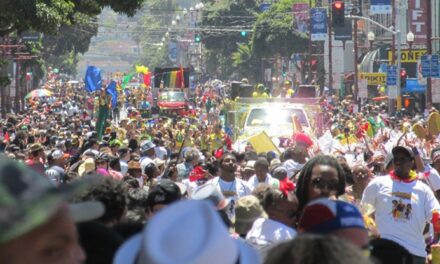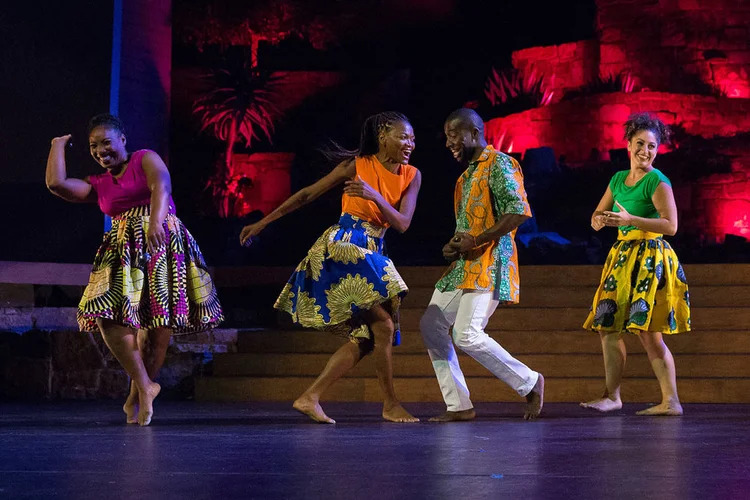
During a tour across Alberta, Canada, singer Katia Moraes reflects on cultural encounters, immigration, art, and human connection while traveling with the group Viver Brasil. From conversations on a bus to performances that bridge cultures, the journey reveals how music, movement, and shared experiences create belonging across borders. This personal narrative blends travel, identity, and artistic purpose in a multicultural landscape.
Music and travel create unexpected connections across cultures.
At around 8 a.m., the bus stopped in the middle of 170th Street in Edmonton. It felt as though we were stuck on a freeway. We joked that it looked like the 10 Freeway in Los Angeles. The Canadian driver understood our feelings—he had led tours to the Rose Bowl in Pasadena and experienced the traffic of the City of Angels firsthand.
Earlier that morning, I had a long conversation with him. He told me he dislikes Halloween, having discovered that people spend more money on costumes during that season than on Christmas. He lamented this fact. My friend Cynthia also disapproves, though I know disapproval alone rarely creates change.
A Bus Full of Stories
The Red Arrow bus carried eighteen of us, along with luggage filled with costumes, musical instruments, and our mascot—baby Keyan, who had turned six months old in April. A Taurus, according to astrology, which sparked a playful conversation about how stubborn the Taurus personality can be. We laughed as the bus moved freely again, surrounded by early-morning commuters driving Kias, Fords, Jeeps, and more.
Immigration and Cultural Crossroads
I heard that Alberta has a 65% immigrant population. Sri Lankan, Vietnamese, Chinese, Polish, Japanese, East African, Italian—and of course—restaurants are everywhere. There is even a Ukrainian farm nearby.
One morning in McMurray, a Lebanese man speaking Portuguese approached me at the hotel. He had lived in Rio, and his smile revealed how happy he was to exchange a few words in the language. That night, a group of Brazilians attended our show. They work at oil rigs about two hours from the Keyano Theatre and were thrilled to see us. I believe the standing ovation was sparked by them.
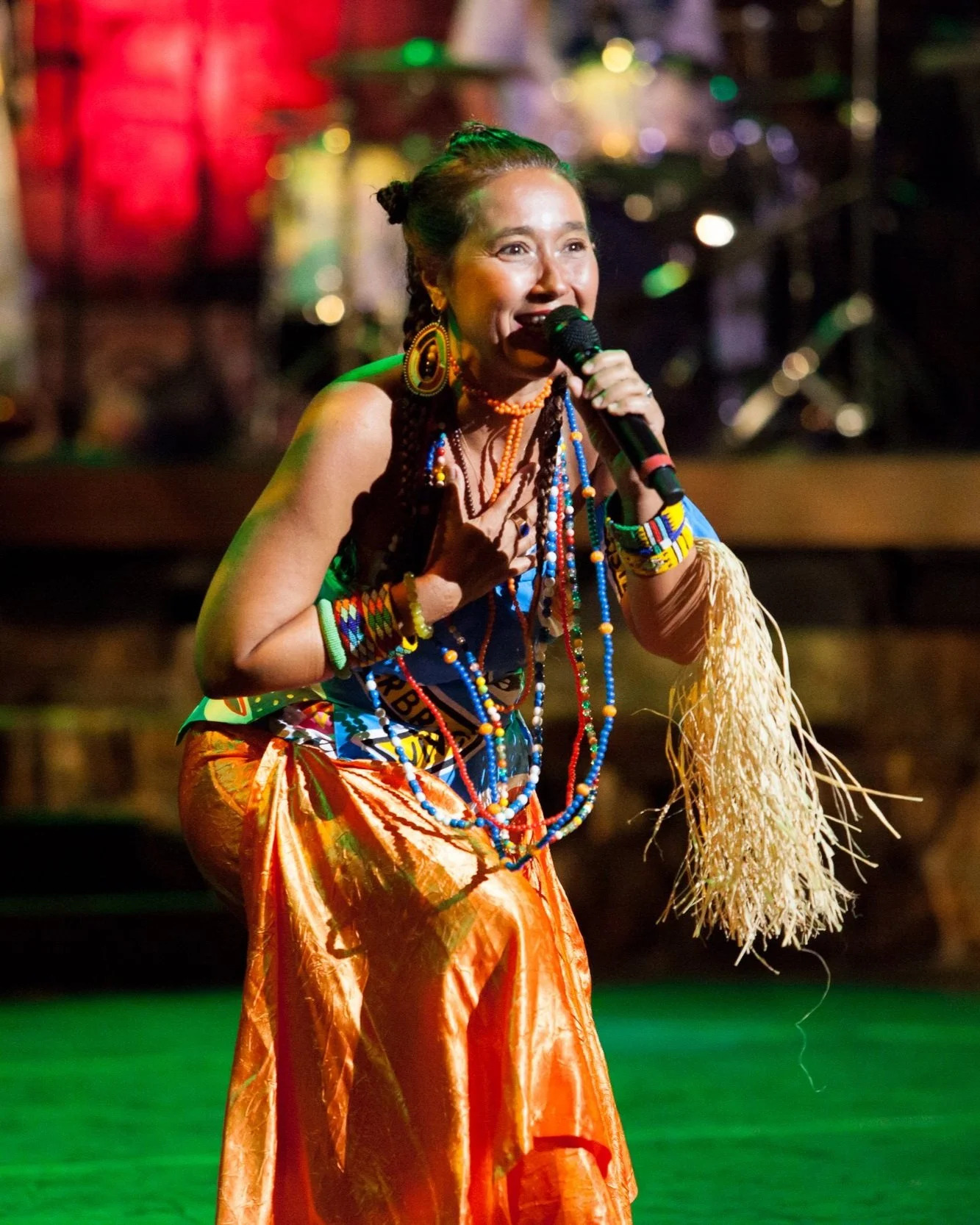
A voice shaped by Brazil and the world, Katia Moraes uses music as a language of belonging
Encounters Along the Way
On our way to the next stop, we met Linda, a cheerful woman from Nova Scotia whose bright smile left a strong impression. She has worked for a year as a general supervisor of two lodges located about an hour and a half from Fort McMurray, the fastest-growing city in Canada.
Linda told Cynthia that one day she went to a used bookstore in the middle of the prairie, searching for something to comfort her soul. She found a book on Buddhism and kept returning to the same store, always buying books donated by the same person. Her story reminded me of a used book by philosopher Boethius I had just purchased on Amazon. I found myself wondering what led the previous owner to underline certain passages.
Landscapes, Names, and Longing
Eventually, we reached the Whitemud Freeway heading toward the airport. The driver asked if we had visited the West Edmonton Mall, but we had no time for sightseeing. Truthfully, the place I longed to visit was Jasper National Park, about four hours northwest. A hotel assistant had given me a brochure filled with breathtaking images—fishing, hiking, moose sightings, and a lake cruise to Spirit Island. A perfect place to nourish the soul. Next time, I promised myself.
Over the speakers, the driver mentioned that Freeway 2 is now called Queen Elizabeth Highway. Someone commented, “So colonial,” and we laughed. I wondered who had decided on that name. Speaking of names, try pronouncing Saskatchewan. I wondered if it comes from a Cree Indigenous nation.
Familiarity in a Foreign Land
Despite everything, I often felt like I was still in the U.S. KFC, Pizza Hut, Firestone, Starbucks, Sears—they were all there. Wendy’s sat next to a restaurant called Swiss Chalet, known for barbecued chicken, staffed mostly by Chinese and Vietnamese women. Go figure.
Music, Performance, and Connection
The crew at the Arden Theatre was incredibly kind and made us sound great. The piano in the rehearsal room was slightly out of tune but served its purpose during warm-up. I was grateful I had brought my Throat Coat tea. During a previous show at the Keyano Theatre, Vania, the dancers, and I realized we could no longer produce saliva mid-performance. Water became essential.
Eileen, our lighting designer, fell ill but still did an excellent job throughout the tour. I heard this was the first time the producer had brought world dance to the theatre. He told us we exceeded his expectations and, judging by the audience’s response, he plans to continue introducing different cultures to his community. Voilà. I believe this is called success.
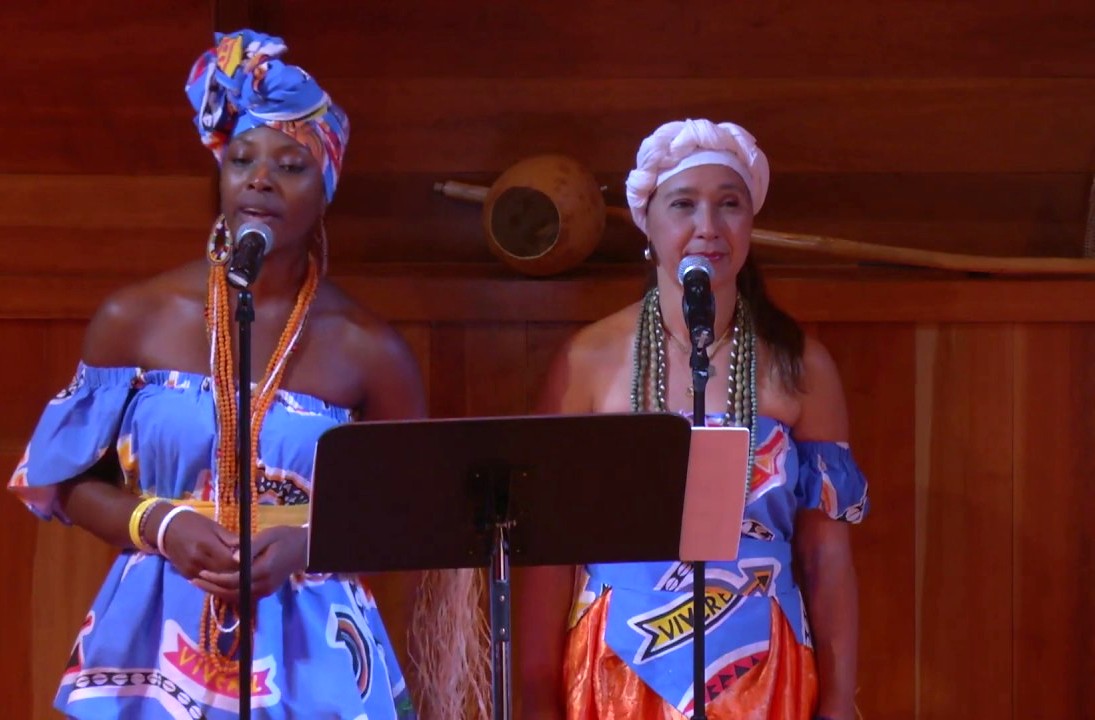
Live performance unites artists and audiences beyond language.
Food, Prairie, and Unity
Food is always a sensitive subject. My friend Laila did not enjoy the meals provided by the Prairie Bistro, but I was grateful for them. Speaking of prairie—that’s largely what Alberta looks like. I checked the dictionary: planície, campina. In southern Brazil, we call them pampas.
At the airport, I sat next to a Buddhist nun. As I wrote this account, she played solitaire on her laptop. I smiled. We are all one. I truly believe that now.
Katia Moraes is a singer, songwriter, and artist from Rio de Janeiro. She is a longtime contributor to Soul Brasil Magazine and has lived in Los Angeles since 1990. Learn more at @brazilianheartbykatiamoraes
FAQ – Frequently Asked Questions
1. What is Viver Brasil?
Viver Brasil is a cultural group that showcases Brazilian music and dance internationally.
2. Where does this story take place?
The narrative unfolds across Alberta, Canada, including Edmonton and Fort McMurray.
3. What themes does the article explore?
Immigration, cultural diversity, artistic exchange, and human connection.
4. Why is this experience significant for the author?
It highlights how music and art create belonging across borders and cultures.
5. What makes Canada central to this story?
Canada’s multicultural landscape amplifies the impact of cross-cultural artistic exchange.