Body skin care requires more than occasional lotion. A consistent routine should include cleansing, gentle exfoliation, daily moisturizing, treatment of blemishes and dark spots, and safe body-hair removal. Exfoliating once or twice a week and moisturizing daily can help maintain smoother, healthier-looking body skin while protecting its natural barrier.
By Betty Guy-Wills
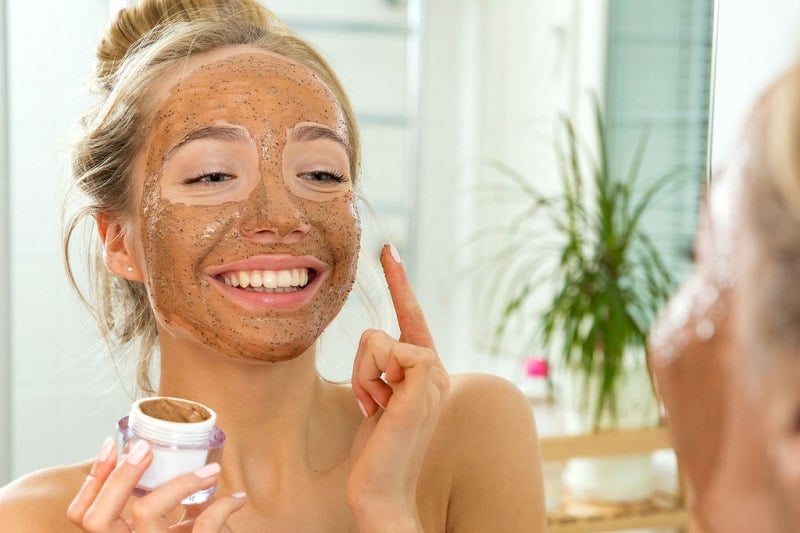
Body skin needs the same consistent care as facial skin.
We get so engrossed in our skin care routine for our faces that we have a tendency to neglect the skin on our bodies.
It is time to take care of this large organ that covers the complete body. The skin not only protects our muscles, bones and organs, but also helps keep us at the correct body temperature and gives us that lovely sense of touch.
The epidermis, or top layer of skin, is what we will be addressing here.
What really is weird to see is beautiful faces, sometimes enhanced with artificial treatments, makeup or fillers, paired with saggy, sun-spotted, rough or dry bodies. A daily routine of body skin care is needed to match those faces.
Exfoliate and Moisturize Your Body
This is the very first process to smooth body skin.
A loofah for speedy sloughing is excellent for the back, arms, hands, shoulders, chest, going around the delicate breast area, abs, hips, buttocks, legs, thighs and feet.
The inner thigh and the inside of the arms are more tender than the outer thigh, lower arm and buttocks, so use pressure accordingly. Pay special attention to rough spots like elbows, knees, knuckles and other areas that tend to become dry.
Wet the loofah with warm water and apply a liquid, no-soap cleanser before you start.
For sensitive skin, a bath brush with vegetable fibers works wonders as a dry brush method. Simply follow the same pattern as the loofah method before stepping into the shower. You can see the dry skin flaking off your body.
After your shower with warm, not hot, water, pat dry with a terry towel while leaving the skin damp. Immediately apply a rich body cream or emulsion, without forgetting your hands and feet.
Circular kneading hand and finger motions during exfoliation can also be an excellent aid to lessen the appearance of cellulite on the body.
Do not exfoliate every day. Once or twice a week is plenty so as not to damage the skin’s protective barrier. Moisturize daily, and more than once if needed.
Remember that hot showers strip away the skin’s natural oils, so keep the water at a soothing warm temperature.
How to Deal With Body Blemishes
You’ll sometimes see pimples or blemishes cropping up on the back and shoulders. This is due to a high concentration of sebaceous glands.
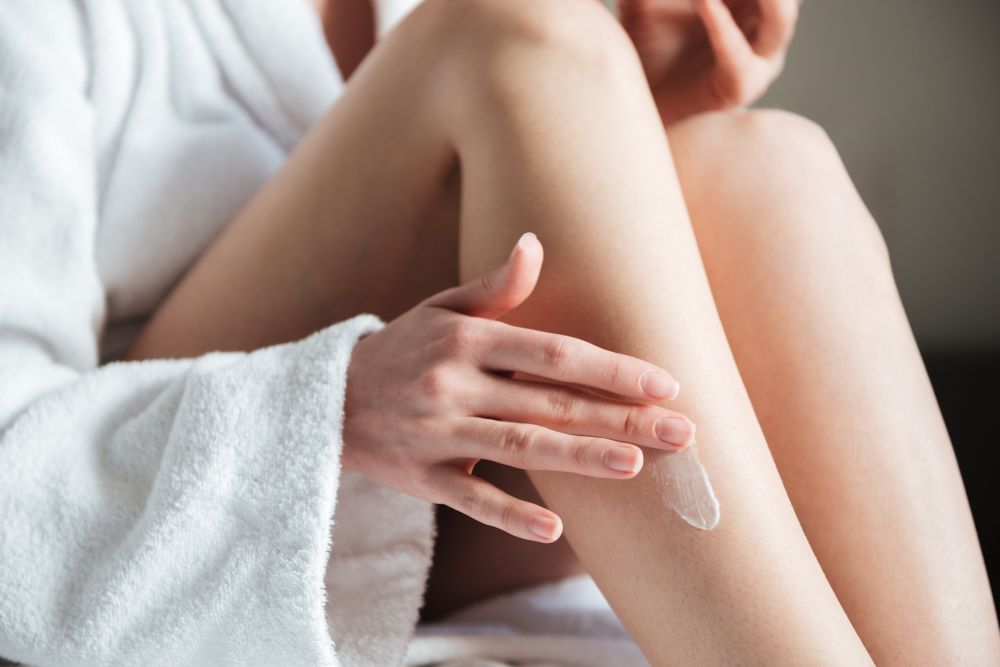
A complete body skin care routine starts with cleansing, exfoliating and moisturizing.
After exfoliating these areas, apply a no-alcohol toner, such as the one with B5 that you use on your face, before applying your body cream.
A Simple Tip for Hard-to-Reach Areas
To reach all areas of the back that have blemishes, pour some of your toner into a small spray bottle and generously spritz away.
Removing Dark Spots on the Body
Apply the same dark-spot gel that is used on the face, particularly one that contains glycolic acid and hydroquinone.
The glycolic acid helps the lightening ingredient hydroquinone to absorb deeper into the skin.
These types of products are applied at PM only on a regular basis. Please test the product on your underarm before regular use.
Results will not be immediate. It takes 3–4 weeks before seeing some results.
After all, brown or dark spots took years to develop to the epidermis level, and some may even be genetic.
Removing Body Hair
When it comes to removing hair on the body, there are a lot of variations, the same as on the face.
Shaving
Shaving is the most common and popular hair removal technique. It is the most temporary because shaving cuts hair at the surface instead of removing it by its follicles.
Waxing
Waxing is the application of heated wax in the direction of hair growth over the skin. Your hair becomes embedded in the wax as it cools and is then quickly stripped off.
You can administer this method yourself, but a professional salon or spa attendant is recommended for sensitive areas.
Depilatories
Depilatories are made of chemicals called thioglycolates mixed with sodium hydroxide or calcium hydroxide to actually melt the hair away.
They are fast and cheap and come in a smelly cream form found at your local drug store. They are easy to apply yourself while avoiding sensitive areas.
The biggest problem is their short life span. After a day or two, you will see little hairs starting to surface after all that effort.
Electrolysis
Electrolysis actually involves inserting a needle into the hair follicle and applying an electrical current to the follicle root.
This will burn the hair root, preventing it from growing any more hair. A professional clinician is the administrator.
Laser Hair Removal
Laser hair removal is a treatment approved by the U.S. Food and Drug Administration. It uses a laser beam to target hair follicles and is the most expensive way to go for removing body hair.
A physician is always recommended for this treatment.
The physician must know the skin pigmentation, perhaps skin tests are in order, and the natural color of the hair.
Build a Complete Body Skin Care Routine

Body care should address blemishes, dark spots and unwanted hair.
So now, start your body skin care and make sure it consists of cleansing, exfoliating, moisturizing, treating blemishes and dark spots, plus removing excess body hair.
If you have to spend a little extra money, it will certainly go to good use.
The fillers and treatments administered by a board-certified plastic surgeon or dermatologist for your face are also available for your body.
* Betty Guy-Wills is a writer, consultant and motivational speaker on anti-aging and age subtracting beauty. She lives in Beverly Hills and can be contacted by email: bettygw_at_roadrunner.com
FAQ – Frequently Asked Questions
1. How often should I exfoliate my body?
The article recommends exfoliating once or twice a week rather than every day to avoid damaging the skin’s protective barrier.
2. Should I moisturize my body every day?
Yes. Daily moisturizing is recommended, especially immediately after a warm shower while the skin is still slightly damp.
3. How can I treat blemishes on my back and shoulders?
The article suggests exfoliating these areas and then applying a no-alcohol toner, followed by body cream.
4. How long does it take to see results when treating dark spots?
The original article says that results are not immediate and may take approximately 3–4 weeks to become noticeable.
5. What are the main methods of body hair removal?
Common methods include shaving, waxing, depilatory creams, electrolysis and laser hair removal. The article notes that professional assistance is recommended for sensitive areas and laser treatments.