
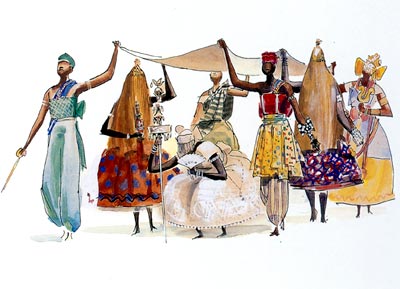
The orixás are divine forces of nature rooted in Yoruba cosmology and preserved in Brazil through Candomblé. Representing natural elements and ancestral wisdom, they embody the sacred connection between humanity, nature, and the cosmos.
By Linda Yudin

Axé is the life force that empowers creation and transformation
The African ancestors of Brazil—the Yoruba peoples of Nigeria and Benin—developed a belief system that placed nature as the highest expression of divine power. Respect for the natural world and recognition of the sacred bond between the elements and human life formed the foundation of this spiritual worldview.
In Brazil, this system flourished within the religious practice of Candomblé, where the orixás are honored as manifestations of divine natural energy. In Salvador, Bahia, the presence of the orixás is both religious and cultural, marking the profound African heritage of the region.
Devotees—whether newly initiated or long-practicing—turn to this tradition for spiritual strength and connection to the cosmic realm.
Axé: The Sacred Energy of Creation
According to Yoruba cosmology, after the creation of the world, each orixá received a divine force known as axé, granting them authority over specific elements and activities of the material world.
The concept of axé represents:
-
The life force of the universe
-
The power to make things happen
-
The ability to invoke transformation and positive energy
In the philosophy of Candomblé, axé is not merely symbolic—it is a living, active spiritual force transmitted during ritual ceremonies.
The French ethnographer Pierre Verger, an authority on Candomblé, described the orixás as deified ancestors who, while alive, governed forces such as thunder, wind, fresh and salt waters, hunting, metalwork, and medicinal plant knowledge. During ritual trance, their energy may manifest in initiated devotees, transmitting axé to the community.
Terreiro: The Sacred Space

Candomblé temples became sacred refuges where African spirituality survived in the Americas
Within the terreiro (temple), ceremonial dances, rhythms, songs, colors, clothing, and gestures create a bridge between:
-
Orun (the heavens)
-
Ayé (the earth)
Candomblé temples became sacred refuges where the orixás were preserved and reimagined under the harsh conditions of slavery and religious intolerance in the Americas.
The Orixás and Their Sacred Attributes
Below are some of the most recognized orixás and their symbolic qualities.
Exu
Messenger between gods, ancestors, and humans. Governs communication and balance, capable of creating harmony or chaos.
Colors: Red and black
Greeting: Laroyê
Ogum
God of war, iron, and technology. Opens pathways and embodies courage.
Colors: Dark blue and green
Sacred Day: Tuesday
Greeting: Ogunhê
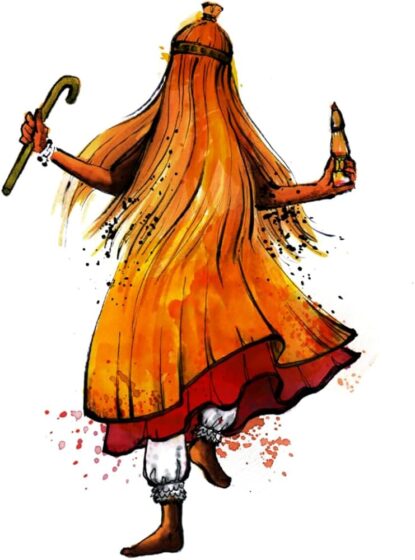
Omolu is the orixá of disease and healing.
Omolu / Obaluaiyê
God of disease and healing. Represents both suffering and cure.
Colors: Black with red or white
Sacred Day: Monday
Greeting: Atotô
Nanã Buruku
Linked to mud, marshes, and ancestral wisdom. Associated with death and rebirth.
Colors: Dark blue, lilac, white
Sacred Days: Monday and Saturday
Greeting: Salubá
Oxumaré
Ruler of the rainbow and serpent. Symbol of movement and continuity.
Colors: Yellow or green with black
Sacred Day: Tuesday
Greeting: Arroboboi
Oxóssi
God of the hunt and protector of animals and forests.
Colors: Light blue or green
Sacred Day: Thursday
Greeting: Okê Arô
Ossaim
Master of sacred leaves and healing plants.
Color: Green
Sacred Day: Saturday
Greeting: Ewé Ô

Xangô is the orixá of thunder and justice.
Xangô
God of thunder, lightning, fire, and justice. Represents strength and authority.
Colors: Red and white
Sacred Day: Wednesday
Greeting: Kawo Kabiyesilê
Oyá / Iansã
Goddess of winds and storms. Fierce, sensual, and powerful.
Colors: Bright red tones
Sacred Day: Wednesday
Greeting: Epahei Oyá
Oxum
Goddess of rivers, beauty, fertility, and love.
Colors: Yellow and gold
Sacred Day: Saturday
Greeting: Ora Yeyê Ô

Iemanjá is the queen of the ocean and mother of the orixás.
Iemanjá
Queen of the oceans and mother of the orixás. Protector of fishermen.
Colors: White and blue
Greeting: Odoyá
Oxalá
Father of the orixás. Symbol of creation, air, and wisdom.
Color: White
Sacred Day: Friday
Greeting: Epa Babá
Orixás in Popular Culture
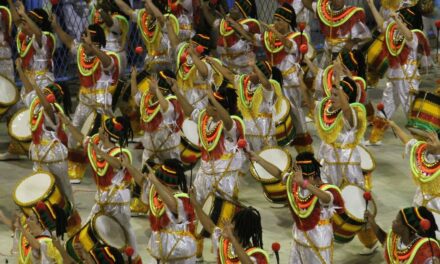
The world of the orixás extends beyond religion. Brazilian visual artists, dancers, musicians, and culinary creators draw inspiration from their myths and symbolism. Afro-Brazilian dance vocabulary is deeply rooted in the gestures, rhythms, and stories of the orixás.
The tradition teaches reverence for nature, ancestral wisdom, and a cosmological understanding of life’s challenges. Across Brazil and the Americas, the orixás are both sacred entities and enduring cultural symbols.
Axé!
* Linda Yudin is an ethnologist trained in dance and has spent the last three decades researching, presenting and teaching Afro-Brazilian dance and its cultural traditions. She is Co-Artistic Director of Viver Brasil Companhia de Dança – www.viverbrasil.com
FAQ – Frequently Asked Questions
1. What are the orixás?
The orixás are divine forces of nature originating in Yoruba spirituality and preserved in Brazil through Candomblé.
2. What does axé mean?
Axé is the sacred life force or spiritual energy that enables creation, transformation, and positive action.
3. Are the orixás gods?
They are considered divine ancestral energies that govern natural forces and human activities.
4. Where are the orixás worshipped?
Primarily in Candomblé terreiros in Brazil, especially in Salvador, Bahia, and throughout the African diaspora.
5. How do the orixás influence culture?
They inspire music, dance, visual arts, cuisine, and Afro-Brazilian identity across the Americas.
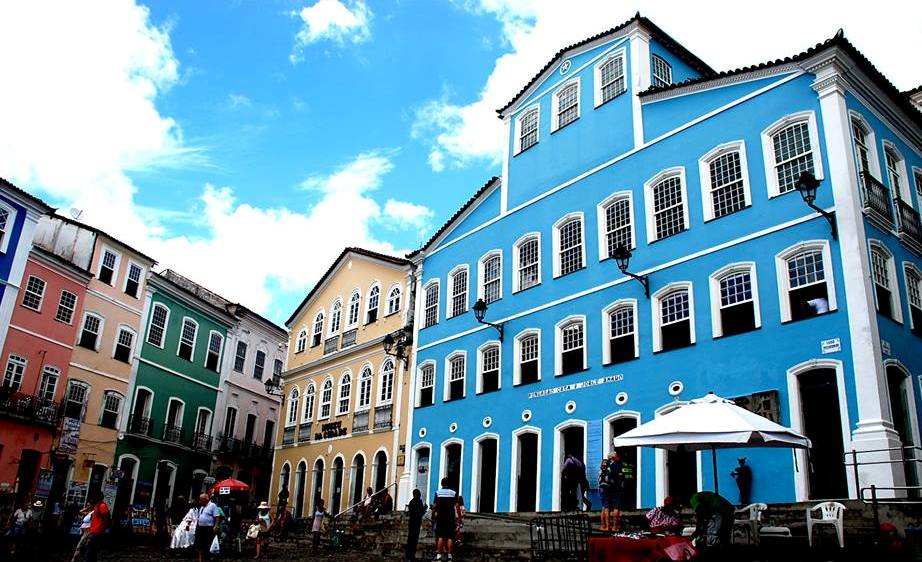





I lived for four years in Salvador, Brazil, and the influence of the Orixas was prevalent, especially in the arts, but actual information is not as easy to find if one is not fluent in Portuguese. Thanks for this primer to a vital heart of AfroBrazilian culture. For anyone visiting the city of Salvador, you will see Orixas everywhere if you know what you’re looking for.
The Yoruba were/ are not Brazil’s only African ancestors.
Hey mis perfumada
Dont be jelous
Be part of the spiritual world
Dont put limits dontput ur religion
On the top oh the list
Sarava! Oxala
Momento sancofa: Nossa fé atravessa fronteiras mesmo sem propagandas e construções “catedrasticas”…
https://soulbrasil.com/orixas-the-divine-forces-of-nature/
Pelamor de Deus, isso tudo é MUITO INCRÍVEL!!!