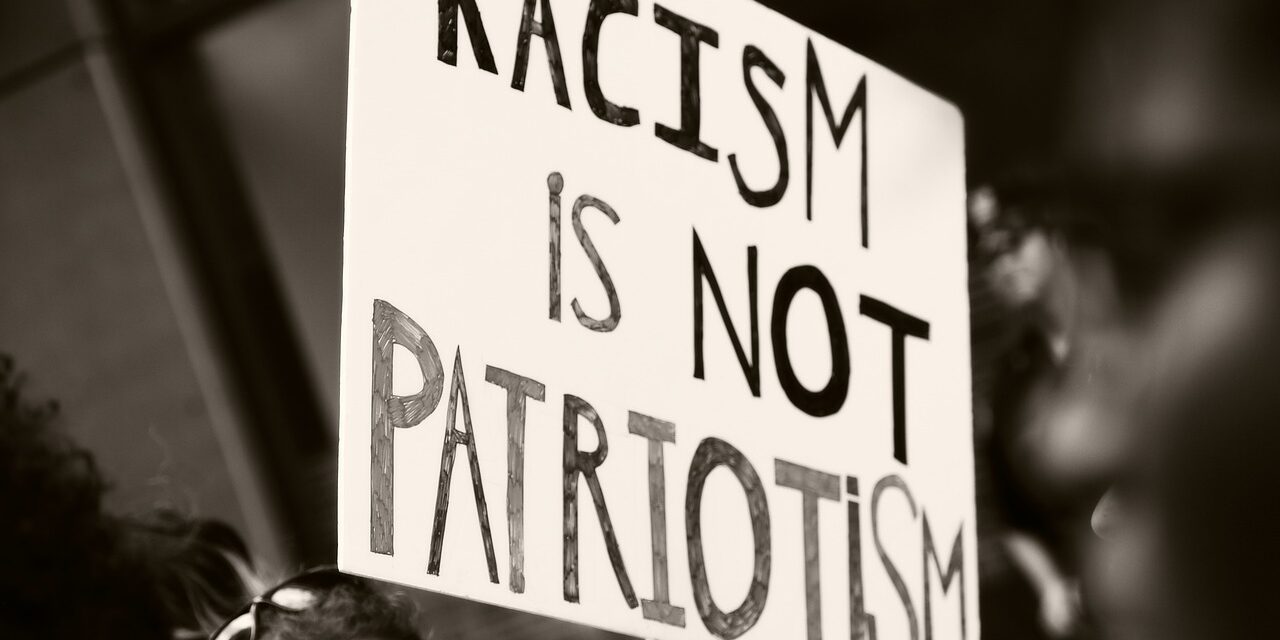
This article reflects on racism, human rights, and nationwide protests in the United States following the death of George Floyd. While reaffirming its non-political editorial stance, the publication addresses concerns about leadership, constitutional rights, and peaceful demonstrations. The text highlights criticism from former officials, public opinion shifts, and the importance of unity during a moment of crisis. It underscores the distinction between legitimate protest and acts of vandalism.
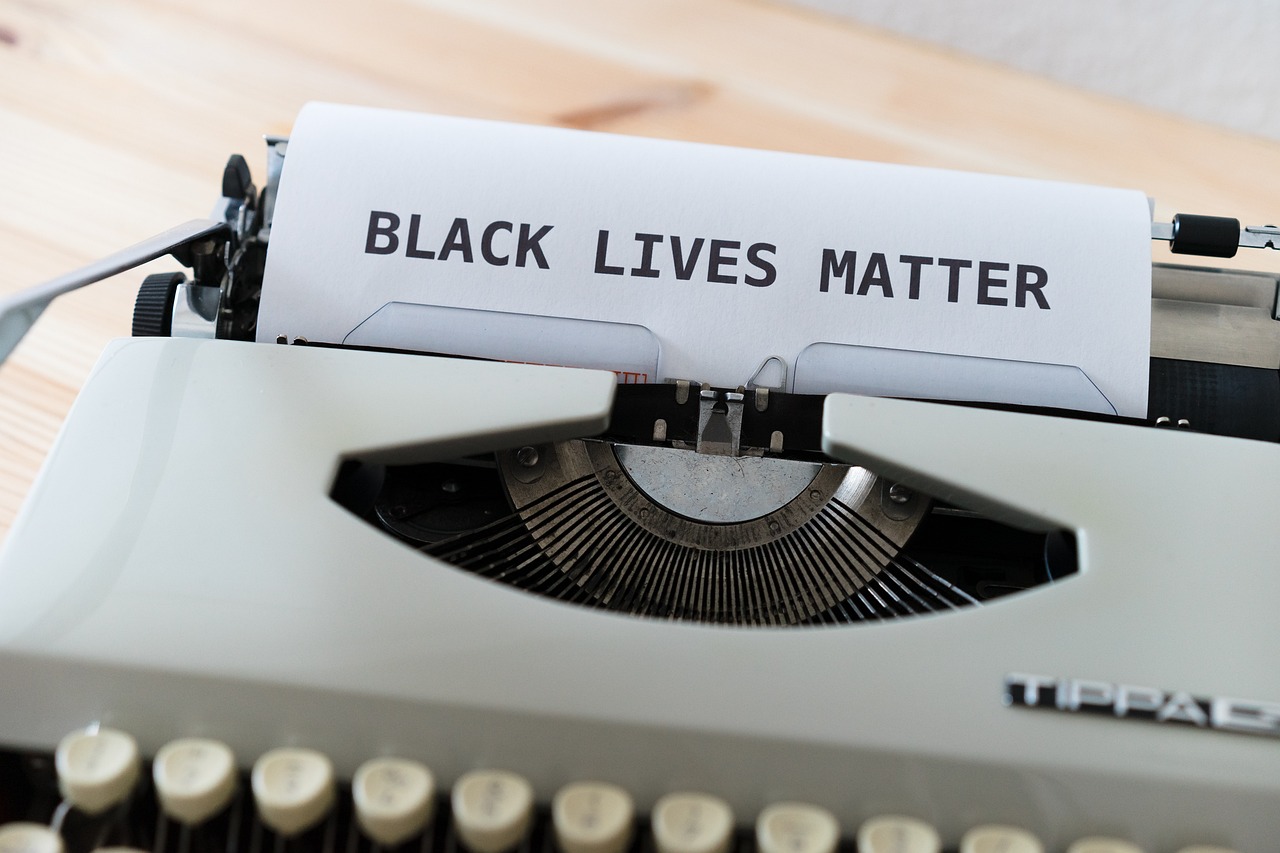
George Floyd’s death exposed deep racial and social divisions in the U.S.
Firstly, we would like to remind our readers that since we began our journey to inform and, above all, to educate — in June 2002, exactly 18 years ago — we have never had an interest in placing political debate at the center of our magazine. Our focus has always been on culture, entertainment, tourism, health, fitness, the art of living, and topics relevant to our community in the United States, as well as Americans living in Brazil.
Commitment to social responsibility
We would also like to recall that we are pioneers among Brazilian media outlets in the U.S. in promoting the “go green” movement. Our website includes an “Eco-Social” section, dedicated to discussions on social responsibility and human rights.
A moment that cannot be ignored
Although we remain unwilling to engage at a political level, the recent events surrounding the violent death of a Black man in America compel us to express our sadness and concern, particularly regarding President Trump’s attitude.
We are referring to George Floyd, who was brutally suffocated and killed by police officers on May 25. At a critical moment marked by nationwide protests, a global pandemic, and deep racial tensions, Donald Trump became the first president in American history who made no effort to unite the nation.
Criticism from within the administration
On June 3, former Defense Secretary James Mattis, who had largely avoided criticizing the president since resigning in 2019, issued a strong condemnation of the administration’s response to the protests.
“Donald Trump is the first president in my lifetime who does not try to unite the American people — does not even pretend to try. Instead, he tries to divide us.”

The crisis had a measurable impact on public opinion ahead of the 2020 election.
Political consequences and growing instability
Critics from across the political spectrum were quick to predict an imminent political downfall. While uncertainty remains, it is increasingly evident that Trump is experiencing one of the worst moments of his presidency, if not the worst.
Mattis also stated that “Trump is mocking our Constitution”, referring to discussions about using the military to suppress protests.
Human rights, protests, and accountability
Human rights were clearly violated in the George Floyd case, and the peaceful demonstrations by thousands demanding justice are legitimate. Following nationwide pressure, the four police officers involved were dismissed and are now facing criminal charges.
Distinguishing protest from vandalism
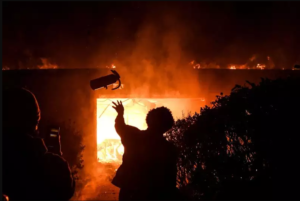
The disturbances and vandalism observed during some protests were caused by a minority taking advantage of the situation to loot private property and vandalize public spaces. These actions are repudiated both by us and by the vast majority of peaceful protesters.
Voices defending the Constitution
Current Defense Secretary Mark Esper stated that active-duty military troops should not be used to suppress protests.
Meanwhile, General Mark A. Milley, Chairman of the Joint Chiefs of Staff, reminded commanders that the U.S. Constitution guarantees freedom of expression and peaceful assembly.
 Impact on public opinion

Trump appears to be losing support, at least temporarily, among swing voters. According to two recent surveys, Joe Biden’s lead over Trump increased to approximately 10 percentage points, up from just two or three points in March, as noted by Nate Cohn, political analyst at The New York Times.
While these surveys include all registered voters — and outcomes among likely voters may vary — a 10-point deficit is significant, especially with the November 2020 elections approaching.
FAQ – Frequently Asked Questions
1. Why does this publication address racism and protests?
Because the death of George Floyd represents a human rights violation that cannot be ignored.
2. Is this a political position?
The article reaffirms a non-political editorial stance while addressing human rights and social responsibility.
3. What role did former officials play in the debate?
Former Defense Secretary James Mattis publicly criticized the government’s response to the protests.
4. Are the protests considered legitimate?
Yes. Peaceful demonstrations demanding justice are valid and constitutionally protected.
5. How did public opinion shift during this period?
Polls indicated a growing lead for Joe Biden over Donald Trump ahead of the 2020 elections.