Learn how to save money and protect your consumer rights in the United States. Discover practical tips for comparing gas prices, checking flight information, understanding credit card billing, handling refunds, reviewing phone bills and protecting your personal information.
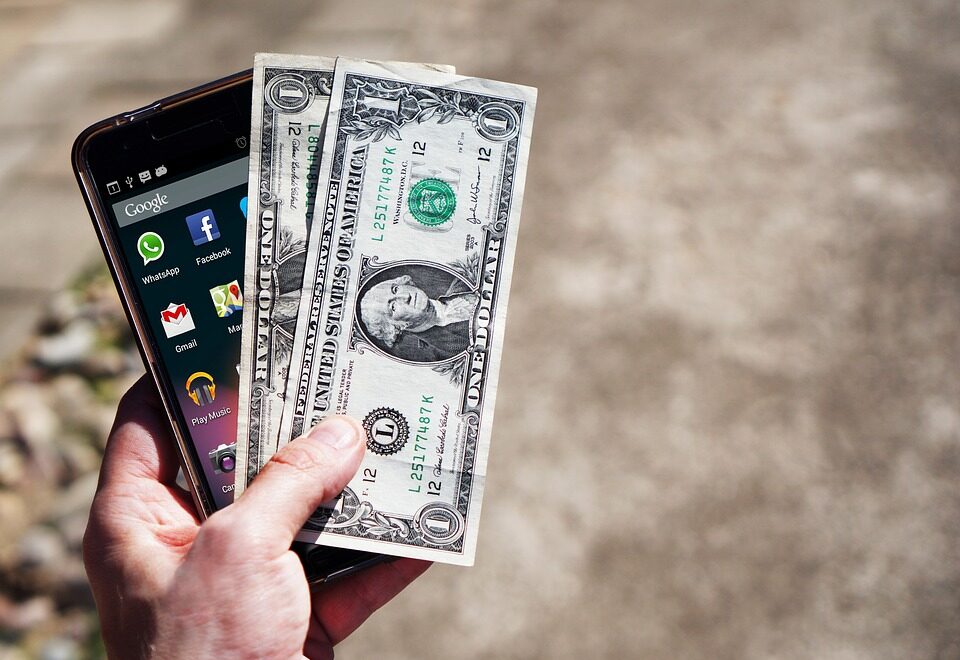
Consumers in the United States can save money by comparing prices, understanding return policies and checking fees before making purchases or signing up for services.
We have carefully compiled and updated useful information that can help you save money, avoid unnecessary fees, protect yourself from consumer abuses and understand your rights in the United States.
Checking your flight status before heading to the airport can help you avoid unnecessary delays and surprises.
The original article recommended FlightStats, which remains part of the Cirium aviation-data ecosystem and continues to provide flight-status information, including scheduled, estimated and actual departure and arrival times, delays, gates and terminals. FlightStats data is also available through Cirium’s current aviation platforms.
You can search flight information by flight number, airport or route. For travelers between the United States and Brazil, checking the airline’s own app or website is also a useful way to confirm the latest information before leaving for the airport.
Use a Currency and Unit Converter
A currency and unit converter can be especially useful for Brazilians living in the United States who regularly move between dollars and reais or need to convert weight, distance, temperature, volume and other measurements.
The original article recommended Unit Plus. The app category continues to offer several updated options, including apps that provide currency and measurement conversions. Current versions of Units+ support more than 160 currencies and hundreds of measurement units.
When comparing prices between Brazil and the U.S., remember that an exchange-rate conversion is only a reference. Taxes, international transaction fees, shipping costs and the exchange rate actually charged by your bank or card can change the final amount.
Understand Return Policies and Restocking Fees
Some retailers charge a restocking fee when an item is returned, particularly for certain types of merchandise.
However, there is an important distinction between a store’s own return policy and a legal right to return a product. In many ordinary retail purchases, federal law does not require a store to accept a return simply because the customer changed their mind. The retailer’s return policy, as well as state law and the type of purchase, can determine whether you are entitled to a refund or exchange.
Before buying an expensive product, ask about the return policy and whether a restocking fee applies. Keep the receipt, packaging and other documentation.
If the retailer does offer a return period, returning merchandise unopened and within the stated deadline can help you avoid additional problems.
Take Action When You May Be Entitled to a Refund
If you believe a company charged you incorrectly, failed to provide a service or did not deliver what you paid for, don’t simply assume the money is gone.
Start by contacting the company and keeping records of your communication, receipts, invoices and confirmation numbers. If you paid with a credit card and the problem qualifies as a billing error, federal law provides a process for disputing certain charges. The CFPB recommends sending a written billing-error notice within 60 days after the statement containing the error was sent.
Be especially careful with anyone who promises to recover your money for an upfront fee. The FTC warns that refund and recovery scams often target people who have already lost money. Legitimate government agencies do not require you to pay a fee or provide financial-account information to receive a refund.
The original article also mentioned possible refunds related to historical abuses involving long-distance telephone companies. Because these programs and claims can change over time, consumers should verify whether a specific refund opportunity is currently available through an official government agency, the provider or another reliable source before submitting personal information.
Know Your Credit Card Rights
Review your credit card statement every month. Look for unauthorized transactions, duplicate charges, incorrect amounts, payments that were not credited and unexpected fees.
Federal rules require credit card issuers to establish procedures to ensure that periodic statements are mailed or delivered at least 21 days before the payment due date.
A credit card’s grace period is the time between the end of a billing cycle and the payment due date during which you may avoid interest on purchases by paying the balance in full, if your card offers a grace period and you meet its conditions. Not every credit card is required to offer one.
If you discover a billing error, contact the card issuer promptly. To preserve important rights under the federal billing-error process, you generally need to send a written notice within 60 days of the statement on which the error first appeared. Keep copies of your correspondence and supporting documents.
While a qualifying dispute is being investigated, you generally do not have to pay the disputed amount, but you should continue paying the undisputed portion of the bill according to the terms of your account.
Compare Gas Prices Before You Fill Up
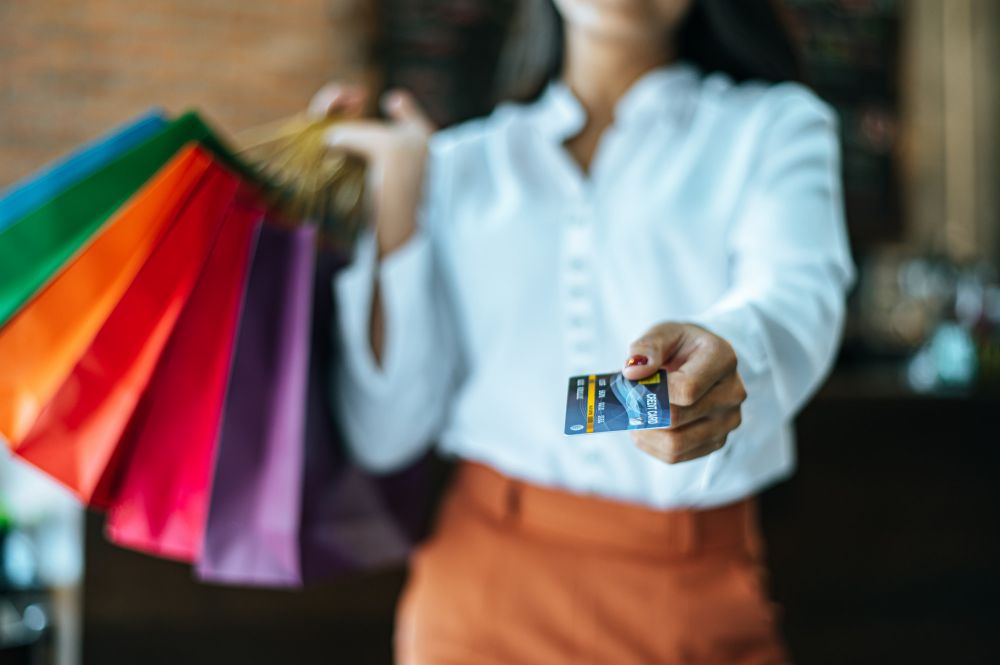
Credit card users should review their statements carefully, understand their grace period and act quickly when they find unauthorized charges or other billing errors.
Gasoline prices can vary significantly between stations, even within the same area.
One practical option is GasBuddy, which allows users to search for gas prices by location, city or ZIP code. Its current tools can also distinguish between cash/debit and credit prices at participating stations.
Before filling your tank, compare nearby stations rather than automatically stopping at the first gas station you see.
Another simple way to save is to avoid making convenience-store purchases at gas stations unless necessary. Snacks, drinks and other products can cost more there than at supermarkets or other retailers.
Look Carefully at Your Wireless and Internet Bill
Wireless and internet bills can contain several different types of charges, including taxes, government-related fees and provider-imposed surcharges.
Instead of assuming that every fee listed on your bill is required by law, check exactly what each charge represents.
The FCC accepts complaints involving wireless and telephone billing issues, including advertised rates, service charges, taxes, fees, surcharges and unauthorized charges known as cramming.
This is an important update to the original article: specific fees and amounts can vary by provider, service and jurisdiction, so the old figures cited in the original version—such as fixed $1–$3 charges—should not be treated as current universal amounts.
If you notice an unfamiliar fee, contact the provider and ask for a detailed explanation. If the issue is not resolved, you can consider filing a complaint with the appropriate regulatory agency.
Check a Business and File a Consumer Complaint
If you believe you have been treated unfairly by a company, document what happened before filing a complaint.
Keep:
- Receipts and invoices
- Contracts and terms of service
- Screenshots
- Emails and text messages
- Names of customer-service representatives
- Dates and confirmation numbers
- Copies of previous complaints
However, consumer reports posted on third-party websites are allegations or individual experiences and should not automatically be treated as verified facts. When researching a company, compare complaints with official records, government consumer-protection resources and other reliable sources.
For complaints involving federal consumer-protection issues, the Federal Trade Commission (FTC) and other government agencies may also provide complaint and reporting channels.
Protect Your Privacy and Personal Information
Consumer protection also means protecting your personal information.
The Privacy Rights Clearinghouse remains a nonprofit resource focused on data privacy and consumer education. Its current resources cover topics such as data brokers, privacy rights, security and data breaches.
Its updated research also tracks data breaches and state privacy laws. For example, its 2026 midyear report documented thousands of breach-notification filings affecting hundreds of millions of people, demonstrating why consumers should pay attention to privacy and security issues.
For Brazilians living in the U.S., protecting personal information is particularly important when dealing with financial accounts, credit cards, passports, Social Security information, banking services and online purchases.
Consumer Organizations Can Help
The original article also recommended two nonprofit organizations as resources for consumer advocacy and privacy protection:
Consumer Action has historically provided consumer information and educational resources, while Privacy Rights Clearinghouse continues to offer resources on data privacy, data breaches and personal information protection.
When dealing with a serious consumer problem, it is also useful to check your state attorney general’s office and the appropriate federal regulator. Consumer rights can vary depending on the state, the type of transaction and the industry involved.
The most important rule is simple: keep documentation, read the fine print, question unexpected charges and act promptly when something appears wrong.
FAQ — Frequently Asked Questions
1. What are my basic consumer rights in the United States?
Consumer rights depend on the type of purchase, federal law and the state where you live. Important protections can involve billing errors, unauthorized charges, deceptive practices, warranties, privacy and certain refund situations.
2. Can I dispute an incorrect credit card charge?
Yes. Certain charges qualify as billing errors under federal law. Consumers generally need to notify the credit card issuer in writing within 60 days after the statement containing the error was sent.
3. Does every store in the U.S. have to accept returns?
No. For many ordinary purchases, federal law does not give consumers a general right to return an item simply because they changed their mind. The retailer’s return policy and applicable state law are important.
4. How can I find cheaper gas in the U.S.?
Apps and websites such as GasBuddy allow consumers to compare nearby gasoline prices by location or ZIP code. Some listings also distinguish between cash/debit and credit prices.
5. Where can I complain about a company in the United States?
The appropriate place depends on the problem. Consumers can contact the company first and, when necessary, use federal or state consumer-protection agencies, regulatory bodies or established consumer organizations. For telephone billing, for example, the FCC accepts complaints about billing, fees, surcharges and unauthorized charges.