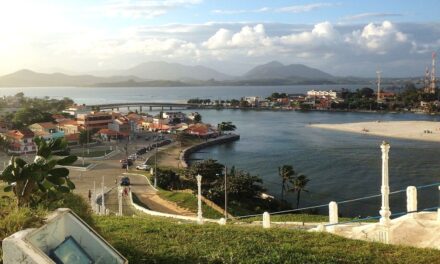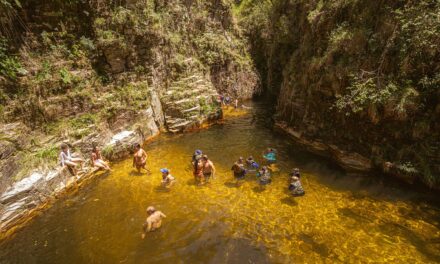
Alto Ribeira State Park (PETAR), in São Paulo, is one of Brazil’s most impressive natural treasures, home to over 300 caves carved over millions of years. Protected since 1958, the park preserves the largest continuous area of Atlantic Rainforest in the country. Visitors can explore spectacular underground formations, rivers, trails, and cultural heritage sites. PETAR is a top destination for eco-tourism, adventure seekers, and nature lovers.
By Lindenberg Junior

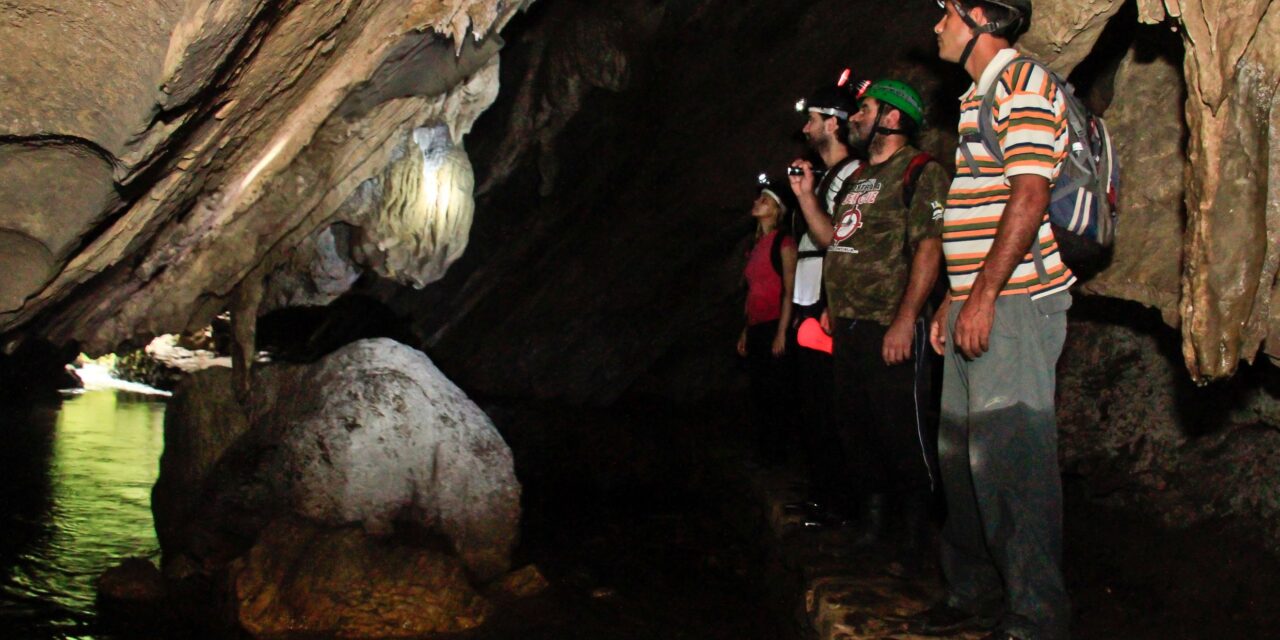
PETAR is Brazil’s largest cave reserve, with over 300 caverns. Photo: The State of São Paulo / Tourism
From the wishes and hard work of two men — Pedro Comércio, a topographer, and José Guimarães Passos, an engineer — emerged the visionary and necessary idea of PETAR (Alto Ribeira State Park). As committed environmentalists, they refused to allow such natural beauty to be destroyed in the name of progress.
In May 1958, São Paulo governor Jânio Quadros signed a decree preserving what would become the last remaining strip of Atlantic Forest in the region, still protected to this day. Beneath one of the most biodiverse forests on the planet lies a hidden treasure: hundreds of breathtaking caves. Over thousands of years, rainwater sculpted what is now Brazil’s largest speleological reserve in number of caves — a geological process that begins not underground, but in the skies.
A Subterranean World Shaped by Time
Today, the park reveals some of the most spectacular underground formations imaginable:
ornamental ceilings, stalactites, stalagmites, stone curtains, crystal flowers, pearl gardens, travertine, and mineral crystals. Drop by drop, water transforms into stone in a slow and meticulous crystallization process that enchants all who witness it.
Yet, 250 million years ago, this region held no forests or caves. It was once covered by an ancient inland sea filled with saltwater and microorganisms, at a time when the Earth itself was still forming. Over millions of years, tectonic shifts, volcanic eruptions, and continental movements reshaped the land. The ocean floor slowly rose, forming limestone mountains, and eventually giving way to the lush, humid Atlantic Rainforest that now blankets PETAR.
Alto da Ribeira Trail
The rugged terrain of Alto da Ribeira is unsuitable for farming or cattle raising. This harsh landscape discouraged human settlement — unintentionally preserving the region. As a result, it remains the largest continuous Atlantic Rainforest area in Brazil, covering approximately 35,000 square kilometers.
Rivers, Caves, and the Earth’s Hidden Womb
If oceans tell the story of ancient geological change, rivers narrate the most recent chapter. Persistently flowing, river water penetrates rock, carving tunnels and hollowing mountains from within. From the outside, the mountains appear solid and impenetrable, yet inside they conceal a vast, moist, and sculpted world.
Today, PETAR’s underground landscape is composed of dark caverns passionately explored by speleologists — scientists dedicated to studying caves and subterranean systems.
The Major Caves of PETAR
There are more than 300 known caves in the park. The two largest and most famous are:
-
Santana Cave
-
Devil’s Cave (located in Jacupiranga State Park)
Both are constantly explored in search of new passageways and formations, often in friendly competition to determine which holds the greatest size and beauty.
Another highlight is the Dirt Water Cave, known for its impressive entrance — 4 meters high and 7 meters wide — and challenging obstacles. It lies along the Betari River, offering a dramatic and adventurous experience.

The park preserves the largest continuous Atlantic Rainforest area in the country. Photo: The State of São Paulo / Tourism
Visitation Areas and Eco-Tourism
PETAR is divided into two main visitation zones:
-
Santana Sector (southern area)
-
Caboclos Sector (northern area)
From these centers, guided trails depart daily, led by trained guides and park staff.
Beyond cave exploration, the region offers a wide range of eco-tourism and adventure activities, along with rich cultural attractions such as:
-
The Historic Center of Iporanga
-
Archaeological sites
-
Ruins from old gold mining operations
-
Traditional Apiaí folk ceramics
The region also hosts important religious and cultural events, including the Feast of the Divine Holy Spirit and the Nossa Senhora do Livramento river procession, where a statue of the saint travels 8 km by boat along the Ribeira River to the city of Iporanga.
A must-visit destination for lovers of adventure, nature, and mystery. For maps and additional information, visit the official Alto Ribeira State Park website.
FAQ – FREQUENTLY ASKED QUESTIONS
1. What does PETAR stand for?
PETAR stands for Parque Estadual Turístico do Alto Ribeira (Alto Ribeira State Park).
2. Where is Alto Ribeira State Park located?
PETAR is located in southern São Paulo State, near the city of Iporanga.
3. How many caves are there in PETAR?
There are more than 300 known caves, making it Brazil’s largest speleological area.
4. Can visitors explore the caves without a guide?
No. All cave visits must be accompanied by certified guides or park staff.
5. Is PETAR suitable for families and beginners?
Yes. The park offers trails and caves for different experience levels, including beginners.