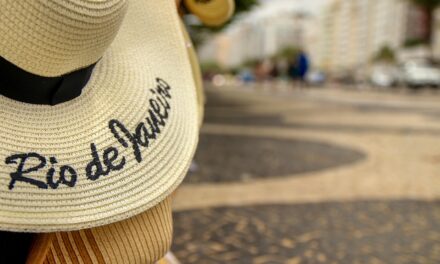
Brazilian fashion is more than clothing—it is a cultural expression deeply connected to beauty, identity, community, and self-respect. As one of the world’s most influential fashion markets, Brazil has transformed its passion for style into a globally recognized industry that reflects the country’s vibrant personality and values.
By Luciano Sztulman, MD
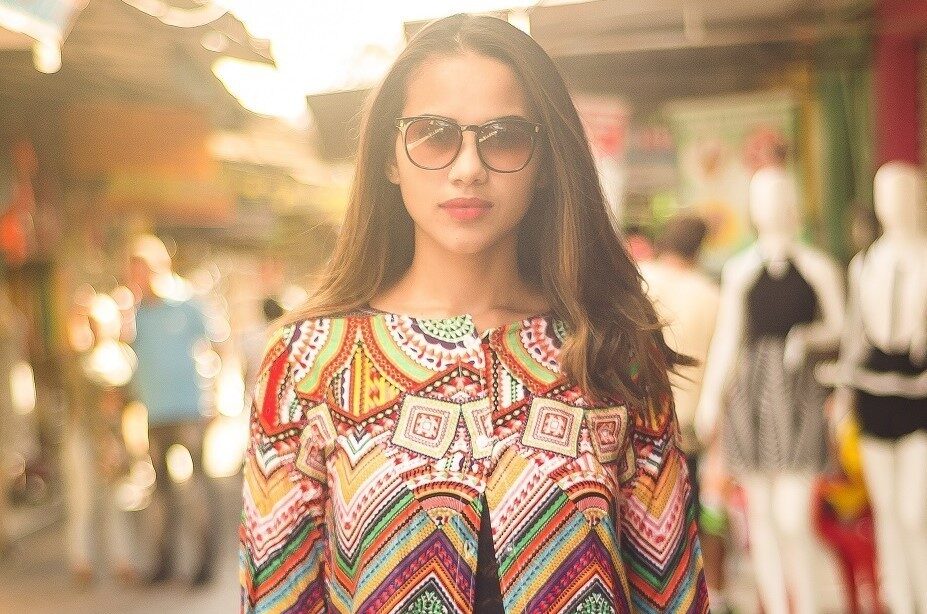
Being well-dressed is often viewed as an act of respect toward others rather than a search for attention
With Brazilians placing a strong emphasis on cleanliness, hygiene, beauty, and personal appearance, their dedication to fashion comes as no surprise. In fact, the fashion industry is the second-largest industry in Brazil, highlighting the important role style plays in everyday life.
Despite its significant domestic influence, many Brazilian fashion designers remained relatively unknown internationally for years. However, that reality has changed considerably in recent decades.
Have you ever heard of Osklen, Maria Bonita, Rosa Chá, or H. Stern?
These luxury fashion and jewelry brands have long been household names throughout Brazil and have increasingly gained recognition on the global stage.
The Sophisticated Brazilian Fashion Consumer
As a nation with a deep appreciation for beauty, Brazilians are fashion consumers who possess highly sophisticated tastes and are remarkably well-informed about trends, quality, and design.
Many international fashion brands have discovered this reality the hard way when attempting to enter the Brazilian market with products that fail to meet local expectations.
The challenges facing foreign fashion companies extend beyond Brazil’s historically high import tariffs. Another significant factor is the growing quality of Brazilian fashion brands, combined with a strong sense of loyalty among consumers who prefer supporting domestic companies.
This commitment to local brands reflects a broader cultural characteristic found throughout Brazilian society: a strong sense of community, connection, and social support.
Economic Growth and the Rise of Fashion Consumption
Over the past several years, Brazil experienced periods of strong economic growth while many regions around the world faced economic uncertainty and recession.
As a result, an increasing number of Brazilians gained access to high-quality clothing, accessories, and luxury goods.
Although Brazilians have always taken pride in their appearance, greater economic opportunity allowed many individuals to express themselves more fully through personal style.
Fashion became not only a form of self-expression but also a reflection of confidence, aspiration, and cultural identity.
Brazil’s Growing Influence on the Global Fashion Stage
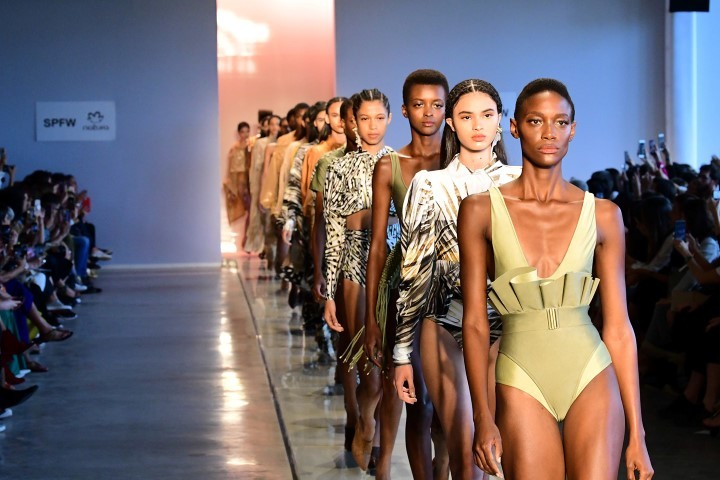
From São Paulo Fashion Week to luxury brands, Brazil has earned its place among the world’s fashion leaders
Brazil is not only known for producing some of the world’s most recognizable supermodels—it is also home to some of the fashion industry’s most innovative and influential designers.
From São Paulo Fashion Week to international fashion exhibitions and luxury markets, Brazil has established itself as one of the elite nations in the global fashion landscape.
Today, Brazilian fashion is increasingly admired for its creativity, vibrant aesthetics, and unique blend of sophistication and cultural authenticity.
Clothing as an Expression of Personality
For Brazilians, clothing represents much more than fabric and design—it serves as an extension of personality.
The vibrant colors and elaborate costumes displayed during Carnival offer a powerful example of this cultural mindset. The same attention to detail, creativity, and quality is reflected in everyday fashion choices.
Being well-dressed is often viewed as a sign of respect for others. Looking your best is not necessarily about attracting attention or seeking recognition; rather, it reflects consideration for those around you.
At the same time, personal style allows individuals to express their uniqueness and connect with others on a deeper, more personal level.
Fashion, Community, and Well-Being
Fashion influences much more than appearance. It shapes our relationships, experiences, behaviors, confidence, and self-image.
For Brazilians, embracing a style that authentically reflects who they are while respecting those around them creates both a healthier individual and a stronger community.
This balance between individuality and social connection helps explain why fashion remains such an important and celebrated aspect of Brazilian culture.
Ultimately, Brazilian fashion is not simply about what people wear—it is about identity, respect, creativity, and belonging.
* Luciano Sztulman, MD has dedicated his professional life of over thirty years to women’s health and wellness. He is the author of the book “Beauty Is Power: Dr. Luciano’s Brazilian Beauty Secrets For Staying Young.
FAQ – Frequently Asked Questions
1. Why is fashion so important in Brazilian culture?
Fashion is closely tied to Brazil’s appreciation of beauty, self-expression, personal presentation, and social interaction. Many Brazilians view style as an extension of their identity.
2. What are some famous Brazilian fashion brands?
Some of the most recognized Brazilian brands include Osklen, Rosa Chá, Maria Bonita, and H. Stern, which have gained increasing international recognition.
3. How does Brazilian fashion differ from other countries?
Brazilian fashion often emphasizes vibrant colors, individuality, confidence, and a balance between sophistication and cultural authenticity.
4. What role does São Paulo Fashion Week play in the industry?
São Paulo Fashion Week is one of the most important fashion events in Latin America and has helped position Brazil as a major player in the global fashion market.
5. How does fashion relate to Brazilian social values?
Fashion reflects broader Brazilian values such as community, respect, self-care, and personal expression, making it an important part of daily life and social interaction.