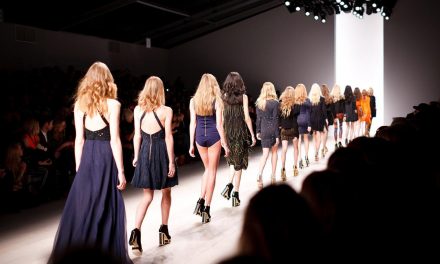
In a world dominated by fashion trends and aesthetic standards, individuality is often replaced by conformity disguised as originality. The modern obsession with beauty and appearance promotes consumption while sidelining ethical and moral values. As digital culture accelerates expectations, people increasingly perform versions of themselves rather than live authentically. This article reflects on how fashion dictates identity—and why authenticity remains the ultimate form of resistance.
By Alberico Manoel | Translation by Cristiane Magalhães

Fashion trends mold consumers into conformity disguised as individuality
Nowadays, the demanding trends of fashion almost entirely mold us into consuming products, leading us to submit ourselves to marketing, advertising, and the ideology of conformity or idealization of the current social mindset. Some people resist; others do not.
Those who follow these demands seem to be wearing uniforms—perfect bodies, modern and cutting-edge styles—trying to be different, but most of the time appearing almost identical.
The Cult of Beauty and the Loss of Values
The modern world values the excess of beauty, aesthetics, and what is considered attractive, while overlooking ethical and moral values and showing a lack of respect for others. Those who do not fit into these imposed standards either separate themselves into tribes or are marginalized by groups that worship the demands of fashion.
The Urgency of the Digital Age
The contradiction of the 21st century and the new digital era is that everything must happen immediately—almost as if it happened yesterday. You must be the best, the most competent, the most capable, the most everything. Sometimes, this means not even being yourself.
Today, everyone seems to be searching for something without knowing exactly what they want to find.
Media, Performance, and Idealized Beauty
A clear example of this phenomenon can be seen in reality shows such as Big Brother, which succeeds due to its idealized model of beauty, acceptance, and success among peers. One might ask: is this an intentional strategy by its creators?
Everything eventually becomes a fashion statement—how a person dresses, how the body is admired, how one presents themselves.

In the digital age, people often perform identities instead of living them
Identity, Mirrors, and the Search for the Self
The mirrors—characters created by people—reflect an existentialist concept of the human being: the unique individual searching within themselves for something nonexistent, something unknown.
What truly matters is authenticity. Eventually, the character loses its identity, and the real world—with all its contradictions and hypocrisies—says: “We wanted you—yourself, not your character.”
Fashion Moves, but Identity Remains
Fashion is always in motion, but attitude and personality are part of daily life. The reality is that this powerful industry moves millions of dollars and people through its ideologies and beauty standards, dictating ideals to all who submit themselves to this concept of beauty.
FAQ – Frequently Asked Questions
1. What does “The Dictatorship of Fashion” mean?
It refers to how fashion trends and beauty standards impose behavioral and aesthetic norms on society.
2. How does fashion influence personal identity?
By encouraging conformity, fashion can lead individuals to perform idealized versions of themselves rather than live authentically.
3. Why is beauty so central in modern society?
Digital media amplifies visual culture, prioritizing appearance over ethical or moral values.
4. How does reality TV relate to fashion and identity?
Reality shows often reinforce idealized beauty standards and social acceptance models that viewers internalize.
5. Is it possible to resist fashion conformity?
Yes. Authenticity, critical thinking, and self-awareness are key forms of resistance.