As life expectancy continues to rise worldwide, discussions about longevity in 2026 increasingly focus not only on living longer, but on maintaining physical, emotional and mental well-being. Brazilian wellness advocates argue that lifestyle, nutrition, emotional balance and preventive health habits may play a major role in healthy aging and quality of life.
By Conceição Trucom
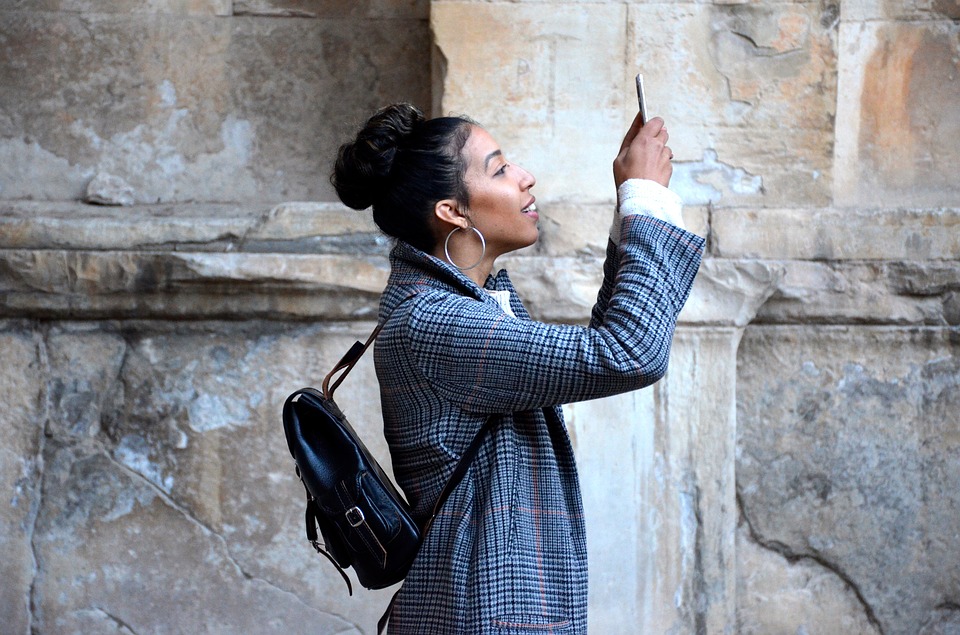
Longevity today is increasingly linked to quality of life, not just lifespan
Advances in medicine, nutrition and technology have helped people around the world live longer than previous generations. Yet specialists increasingly emphasize that longevity alone does not necessarily guarantee quality of life.
In countries such as Brazil and the United States, conversations about healthy aging have become more common as populations grow older and healthcare systems face rising demand linked to chronic diseases, stress and sedentary lifestyles.
The discussion goes beyond aesthetics or anti-aging trends. Experts now focus on what many describe as “healthy longevity” — maintaining physical mobility, emotional stability, cognitive health and social well-being throughout life.
The Role of Mindset in Healthy Aging
One recurring theme among wellness specialists is the impact of mindset on long-term health.
The original article by Brazilian wellness author Conceição Trucom argues that many people are conditioned to believe aging automatically leads to fragility, illness and dependence. According to her perspective, this belief can influence lifestyle choices and personal habits over time.
Today, researchers in aging and mental health increasingly study how stress, social isolation, chronic anxiety and emotional burnout may affect physical health outcomes. While genetics remain important, public health experts emphasize that daily behaviors also contribute significantly to long-term well-being.
Maintaining social interaction, intellectual curiosity and emotional purpose are often associated with healthier aging patterns.
Quality of Life Has Become Central to the Debate
The concept of “quality of life” has evolved considerably in recent years.
For many healthcare professionals, quality of life now includes:
- Mental and emotional health
- Access to preventive healthcare
- Nutrition and physical activity
- Sleep quality
- Financial and social stability
- Meaningful personal relationships
The modern wellness industry has also expanded rapidly, especially after the COVID-19 pandemic increased public attention on immunity, stress management and preventive care.
In cities such as Los Angeles, Miami and São Paulo, wellness practices ranging from meditation and yoga to functional nutrition and holistic therapies continue to attract growing audiences.
Nutrition and the Search for Longevity
Nutrition remains one of the central pillars in discussions about healthy aging.
The original text highlights the importance of consuming fresh and minimally processed foods, particularly fruits and vegetables rich in vitamins, fibers and antioxidants.

“Experts say lifestyle habits may influence physical and mental health outcomes over time
Modern nutritional science supports many of these recommendations. Diets emphasizing vegetables, whole foods, healthy fats and lower consumption of ultra-processed products have been associated with reduced risks of cardiovascular disease, obesity and metabolic disorders.
At the same time, experts warn against misinformation and extreme wellness trends promoted online without scientific evidence.
Registered dietitians and physicians increasingly encourage balanced eating patterns instead of restrictive “miracle” diets commonly spread through social media platforms like Instagram, TikTok and YouTube.
Stress, Detoxification and Modern Life
The article also discusses the impact of stress and “intoxication” caused by modern routines.
Although the term “detox” is widely used in wellness marketing today, medical experts clarify that the human body already possesses natural detoxification systems involving the liver, kidneys and digestive system.
However, specialists acknowledge that chronic stress, poor sleep, excessive alcohol consumption, smoking, pollution and unhealthy diets can negatively affect overall health.
As a result, practices aimed at stress reduction — including exercise, mindfulness, therapy and better sleep habits — have gained increasing relevance in conversations about longevity and mental health.
The Global Rise of Preventive Health
Healthcare systems worldwide are gradually shifting from reactive treatment models toward prevention-focused care.
Preventive medicine increasingly encourages:
- Regular health screenings
- Early diagnosis
- Physical activity
- Nutritional guidance
- Mental health support
- Reduction of sedentary behavior
For Brazilians living abroad, especially in the United States, preventive care often becomes a central concern due to high healthcare costs and insurance-related challenges.
The debate around healthy aging therefore reflects not only personal choices, but also broader economic and social realities shaping access to healthcare and wellness opportunities.
* Conceição Trucom has a degree in Chemistry (UFRJ, Brazil) and has worked for more than 25 years in the area of health and nutrition. She also has experience in natural eating techniques, meditation, Kabbalah, tarot and numerology. She lives in São Paulo, Brazil and was a regular contributor to Soul Brasil for a few years.

Modern healthcare conversations are shifting from treatment toward prevention and balance
FAQ – Frequently Asked Questions
1. What does “healthy aging” mean?
Healthy aging refers to maintaining physical, mental and emotional well-being as people grow older, rather than simply increasing lifespan.
2. Can lifestyle really influence longevity?
Yes. Research suggests that nutrition, exercise, stress management, sleep and preventive healthcare may significantly affect long-term health outcomes.
3. Are detox diets scientifically proven?
Most medical experts say the body naturally detoxifies itself through organs such as the liver and kidneys. Extreme detox diets are often viewed with caution.
4. Why has wellness become so popular after the pandemic?
The COVID-19 pandemic increased public awareness about immunity, mental health, preventive care and lifestyle-related diseases.
5. What foods are commonly associated with healthy aging?
Nutrition experts often recommend vegetables, fruits, whole grains, healthy fats and minimally processed foods as part of balanced diets linked to longevity.