Brazil’s Carnaval is far more than a party — it is a cultural expression shaped by European traditions and deep African and Indigenous roots. While Rio de Janeiro remains the global symbol of Carnaval, states like Bahia and Pernambuco offer immersive, participatory street celebrations fueled by Afro-Brazilian rhythms. From samba school parades to electric trios, frevo, and maracatu, each region delivers a unique experience. For Brazilians living abroad, Carnaval remains a powerful connection to identity, memory, and joy.
By Lindenberg Junior
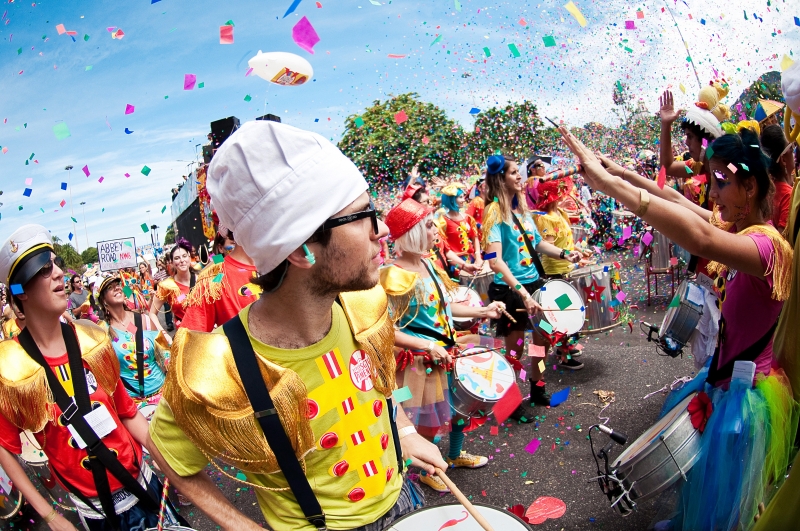
Rio de Janeiro remains the global symbol of Brazilian Carnaval.
The modern Brazilian Carnaval, also known as Mardi Gras, finds its roots in Rio de Janeiro in the 1830s, when the city’s bourgeoisie imported the tradition of masquerade balls from Paris. Initially mirroring European customs, the festival gradually incorporated African and Amerindian cultural elements, transforming into the vibrant celebration known today.
During Carnaval, a traditionally elected “Rei Momo” (King of Carnaval) — often portrayed as a jovial, overweight man — symbolically rules the festivities.
Internationally, Rio de Janeiro is Brazil’s Carnaval icon. Both organized and spontaneous celebrations take over the city, but the Samba School Parade remains a once-in-a-lifetime experience. Elaborate floats, powerful drumming sections, and dancers in glittering, feathered costumes turn the Sambadrome into what many describe as “Las Vegas on wheels.”
Legendary samba schools such as Mangueira, Salgueiro, Portela, Beija-Flor, and Mocidade Independente electrify the crowd when they perform their samba-enredo (theme songs), drawing spectators to their feet.
Bahia and Pernambuco: Afro-Brazilian Rhythms and Total Participation
Beyond Rio, the states of Bahia and Pernambuco have long claimed their share of the “Carnaval cake.” With frenetic rhythms like samba-reggae, afoxé, frevo, and maracatu, Carnaval in these regions is defined by full participation.
Residents and visitors dance side by side until dawn, creating a sense of openness that distinguishes Bahia and Pernambuco from other Carnaval celebrations across Brazil.
Salvador, Bahia: African Heritage in the Streets
In Salvador, the capital of Bahia, the Black population began celebrating Carnaval in its own way during the second half of the 19th century. These celebrations were deeply marked by African-Yoruba traditions, featuring Afro percussion instruments and street dancing.
By the 1970s, three main Carnaval group formats had emerged:
Electric Trios
Large trucks equipped with massive speakers and performance platforms where musicians play Afro-influenced music blended with electric guitars. Revelers follow the trucks singing and dancing through the streets.
Blocos Afros
Inspired by the Black Pride movement in the United States, African independence movements, and reggae music, these groups denounce racism and oppression while celebrating African heritage. Participants parade in coordinated costumes aligned with a central theme.
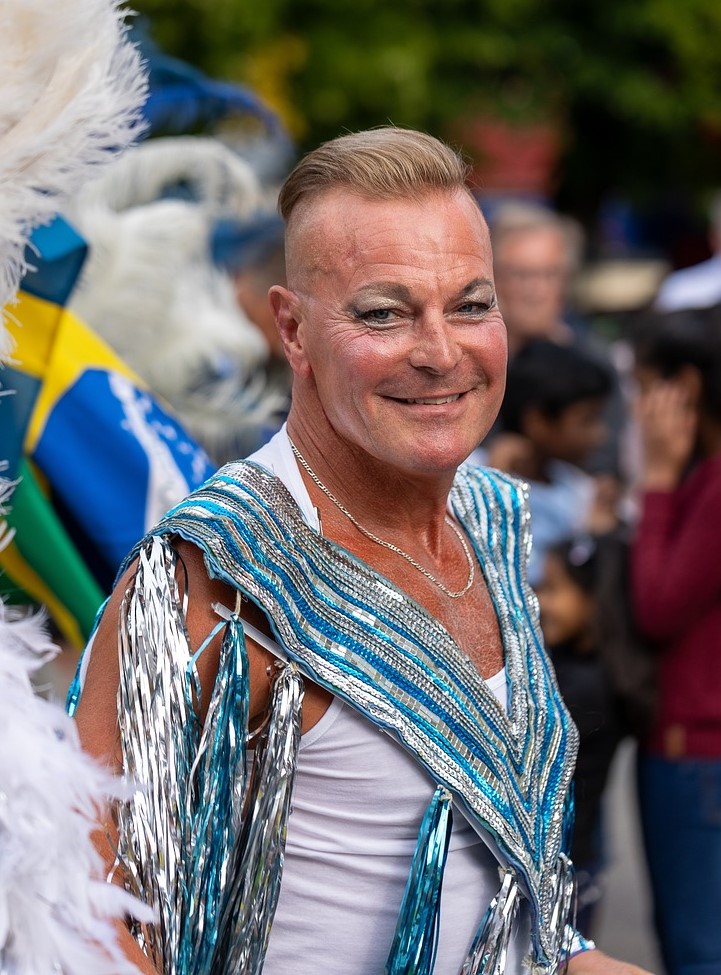
Bahia and Pernambuco offer the most participatory street celebrations in Brazil.
Afoxés
Traditional groups formed by members of Candomblé religious houses, preserving sacred Afro-Brazilian cultural expressions within Carnaval.
Pernambuco: Street Carnaval at Its Purest
Pernambuco has earned recognition as one of Brazil’s strongest street Carnaval destinations, especially in Recife, Olinda, Bezerros, and Nazaré da Mata.
Olinda: UNESCO Heritage and Giant Dolls
In the historic city of Olinda, a UNESCO World Heritage Site, Carnaval begins one week earlier. The celebration is famous for its irreverent blocos with playful names such as “Tell Me You Love Me, Damn It” and “The Midnight Man,” led by a towering giant dancing doll.
Bezerros: Pajamas, Masks, and Papangús
In Bezerros, Carnaval starts ten days early with a formal Municipal Ball, followed at dawn by the quirky “Wake Up Bezerros” celebration, where revelers parade in pajamas and nightwear.
The festivities also include:
Pedalando o Papangú, a Fellini-like masked bike ride
A Fat Tuesday soccer match where all players wear masks
Bezerros is widely known as the land of the Papangús, traditional masked characters that symbolize mystery and playful anonymity.
Nazaré da Mata: The Roots of Maracatu
In Nazaré da Mata, visitors encounter the authentic Afro-Brazilian rhythm of Maracatu, expressed through both Maracatu Nação (nation-style) and Maracatu Rural (rural-style), preserving centuries-old cultural traditions.
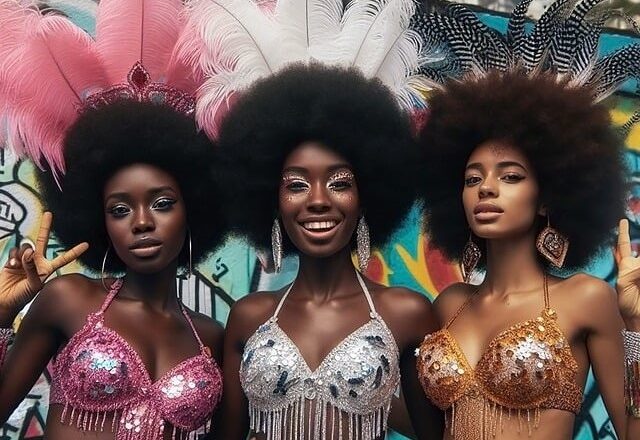
Blocos Afros transformed Carnaval into a movement of cultural pride.
Why Brazilian Carnaval Is a Once-in-a-Lifetime Experience
The freedom to celebrate in the streets is a defining feature of Brazilian Carnaval, especially for non-Brazilians. Entire cities seem to pause daily routines to embrace music, dance, and collective joy.
Simply put: if you have never experienced Carnaval in Brazil — particularly in Bahia or Pernambuco — it is impossible to fully grasp the true Carnaval spirit.
FAQ – Brazilian Carnaval
1. What is the best city to experience Carnaval in Brazil?
Rio de Janeiro is the most famous internationally, but Salvador, Olinda, and Recife offer more immersive street experiences.
2. How is Carnaval in Bahia different from Rio?
Bahia’s Carnaval emphasizes street participation, Afro-Brazilian rhythms, and electric trios rather than formal parades.
3. What are Blocos Afros?
They are cultural groups that celebrate African heritage and social awareness through music, costumes, and street parades.
4. When does Carnaval start in Pernambuco?
In cities like Olinda and Bezerros, celebrations can begin one to two weeks before the official Carnaval dates.
5. Is Brazilian Carnaval family-friendly?
Yes, many daytime street events are family-friendly, though nighttime celebrations may be more intense.