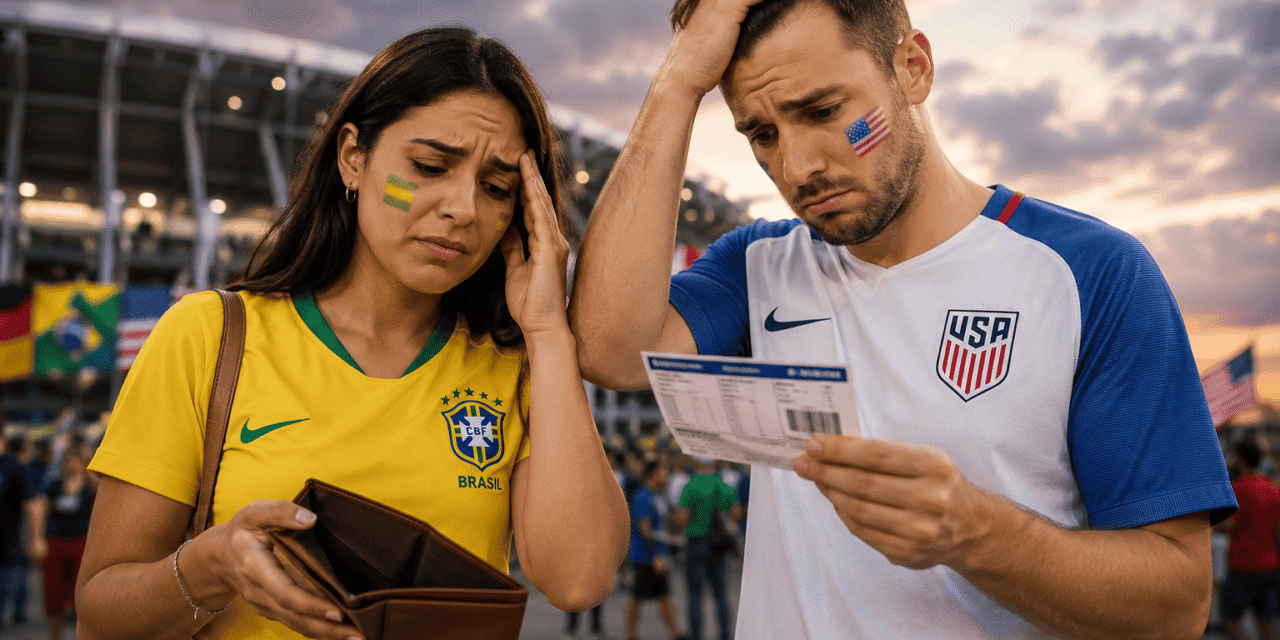
The 2026 FIFA World Cup will be the largest tournament in soccer history, featuring 48 national teams and 104 matches across the United States, Canada, and Mexico. While the expansion promises greater global representation, concerns about soaring ticket prices, security, immigration policies, and fan accessibility are fueling debate long before kickoff.
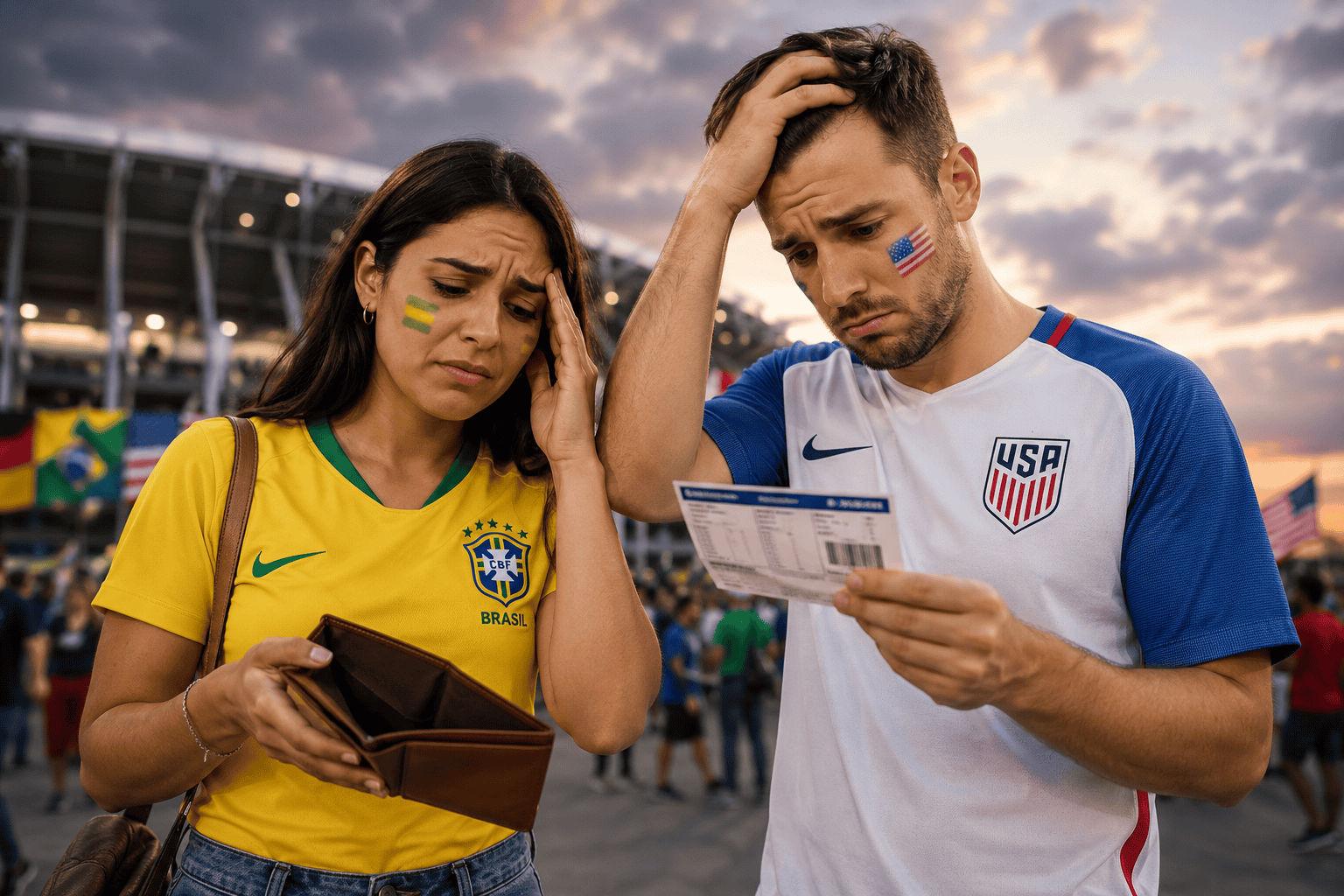
Many fans fear the World Cup is becoming a luxury experience rather than a celebration accessible to ordinary supporters
For the first time in history, the tournament will feature 48 national teams, expanding from the traditional 32-team format used between 1998 and 2022.
The change represents FIFA’s attempt to make the competition more global and inclusive, giving more countries from Africa, Asia, North America, and Oceania the opportunity to participate on soccer’s biggest stage.
However, while millions of fans are excited about the expanded competition, others are raising concerns about ticket affordability, commercialization, security challenges, immigration policies, and fan safety, particularly in parts of the United States and Mexico.
A New Era: 48 Teams, 12 Groups, and More Matches
The 2026 World Cup will include 12 groups of four teams each.
The top two teams from every group will automatically advance to the knockout stage. Additionally, the eight best third-place teams will also qualify, creating a brand-new Round of 32 before the traditional Round of 16.
As a result, the tournament will feature an unprecedented 104 matches, compared to just 64 games in previous editions.
Supporters of the new format argue that it creates more opportunities for emerging soccer nations and increases the sport’s global reach.
Critics, however, contend that the expansion could dilute the quality of competition while adding scheduling challenges for players already dealing with congested calendars.
Still, FIFA views the tournament as a historic business opportunity—and perhaps that is where much of the controversy begins.
The High Cost of Watching Soccer’s Biggest Event
One of the most significant criticisms surrounding the 2026 World Cup is the rapidly increasing cost of attendance.
Many fans were shocked when resale and hospitality package prices began circulating online months before the tournament. In some cases, tickets for high-demand matches reached astonishing levels.
Reports indicate that tickets for the U.S. opening match against Paraguay have surpassed $1,000 per seat in secondary markets. Premium tickets for the final have reportedly climbed into the tens of thousands of dollars, putting attendance out of reach for many average families and longtime soccer supporters.
Even Donald Trump publicly criticized some ticket prices, reportedly telling the New York Post that he would not personally pay those amounts.
This World Cup may ultimately be remembered as much for the debates surrounding it as for the soccer played on the field
For many fans, the concern extends beyond pricing itself.
Critics argue that the World Cup—historically celebrated as a global soccer festival accessible to ordinary people—is increasingly becoming a luxury experience dominated by corporate hospitality packages, sponsors, influencers, and wealthy travelers.
The expenses go far beyond match tickets. Hotel rates in host cities are expected to surge during the tournament, while airfare and transportation costs continue to rise.
For international visitors traveling from Brazil, Argentina, Europe, Africa, and other regions, attending multiple matches could easily cost several thousand dollars per person.
Security, Immigration, and Fan Safety
Another major topic surrounding the 2026 World Cup is security.
Large international sporting events always create logistical and safety challenges, but the political climate in some host regions has intensified discussions among fans.
In the United States, some international travelers have expressed concerns regarding immigration enforcement, stricter border controls, visa delays, and reports of increased vetting of social media activity for visitors entering the country.
Some soccer supporters have openly questioned whether traveling to the tournament will feel welcoming for international fans.
Meanwhile, Mexico—which will host 13 matches across cities including Guadalajara, Mexico City, and Monterrey—continues to face concerns related to organized crime and public safety in certain regions.
Although FIFA and local authorities insist that extensive security measures will be implemented, anxiety remains particularly strong among some international travelers unfamiliar with local conditions.
Security experts also point to the enormous challenge of coordinating crowd control, transportation systems, and emergency response operations across three countries and dozens of venues simultaneously.
A World Cup Bigger Than Ever—But Also More Divided
There is no doubt that the 2026 FIFA World Cup will make history.
The tournament promises unforgettable atmospheres, broader global participation, and unprecedented visibility for soccer throughout North America.
For countries such as the United States and Canada, it also represents a major opportunity to expand the sport both commercially and culturally.
Yet the tournament also reflects a broader debate taking place across global sports today:
How can organizations balance growth, profitability, accessibility, and the fan experience?
As kickoff approaches, one thing is already clear: this World Cup may be remembered not only for what happens on the field but also for the conversations taking place outside the stadiums.
FAQ – Frequently Asked Questions
1. Why is the 2026 World Cup different from previous tournaments?
The 2026 edition will be the first World Cup to feature 48 teams instead of 32, making it the largest tournament in FIFA history.
2. How many matches will be played during the 2026 World Cup?
A total of 104 matches will be played, compared to 64 in previous World Cups.
3. Which countries are hosting the 2026 FIFA World Cup?
The tournament will be jointly hosted by the United States, Canada, and Mexico.
4. Why are fans concerned about ticket prices?
Many ticket packages and resale tickets have reached premium pricing levels, making attendance increasingly difficult for average supporters.
5. What are the main security concerns surrounding the tournament?
Concerns include crowd management, international travel logistics, immigration policies, border controls, and public safety in certain host locations.