Your body is constantly communicating through sensations, tension, emotions, energy and physical symptoms. Learning to recognize these signals can help you better understand the connection between body and mind and become more attentive to your physical and emotional well-being.
Por Dra. Ira Esteves

Your body is constantly communicating with you through sensations, tension, emotions and physical signals.
Throughout the twentieth century, we witnessed the development of what became known as body-mind work. After Freud created psychoanalysis in 1892, the world became fascinated by the exploration of the human mind and gradually learned that we possess what Freud called the unconscious, which influences the way we live.
There is an internal mechanism that processes, decodes and organizes everything that happens to us until unconscious material eventually reaches our conscious awareness. But was the mind alone enough to explain the complexity of the human experience?
Wilhelm Reich and the Body-Mind Connection
Wilhelm Reich, an assistant and collaborator of Freud in the development of psychoanalysis, created one of the first therapeutic approaches to go beyond the treatment of the mind alone.
By connecting psychoanalysis with physiology, Reich developed ideas that would influence bioenergetic approaches, exploring how chronic muscular and bodily contractions associated with everyday life could affect a person’s physical and emotional health.
Today, Reichian psychotherapy is practiced in different parts of the world and focuses on the relationship between psychological experiences and bodily expression. Reich became an important figure in the development of psychosomatic approaches to health. It is important not to confuse Reich with Reiki, which refers to an Eastern-inspired practice involving the laying on of hands.
What the Body-Mind Concept Means
During many years of clinical practice in my office, teaching courses and workshops at universities and training therapists at the Wilhelm Reich Institute of Brazil in Rio de Janeiro, I developed my own approach based on Reich’s work.
This approach brought together therapeutic methods aimed at strengthening the individual and working with conditions and challenges such as depression, obesity, anorexia, bulimia, chronic fatigue, panic and other dysfunctions.
Through this work, I came to understand that “body-mind” is me, you and all of us: this immense human family that laughs, cries, suffers, dances, fights, works, helps, hates and, above all, loves. We have words, which can be understood as the language of the conscious ego, and movement, which is one of the languages of the body.
We are complex organisms shaped by experiences and life events, guided by our values, goals and individual ways of seeing the universe. From a bioenergetic perspective, we form a body-mind unity influenced by heredity, culture and social life, elements that help shape our philosophy of life.
Why We Often Ignore What the Body Is Telling Us
We continue living without paying enough attention to these connections. We complicate our lives and experience considerable anguish while also living within demanding political, economic and social environments.
Many of us have been conditioned not to pay attention to our own sensations. Even when we notice them, we often ignore them until something becomes uncomfortable enough to affect our health.
Under pressures of many kinds imposed by modern civilization, we may confuse dreams with necessities and sensations with emotions. According to the body-mind perspective, this accumulation of tension can eventually be expressed through mental or physical symptoms, and sometimes through both. This is one of the ways a dysfunction may begin to make itself noticed.
Modern Life, Stress and the Human Body
You may think: “But I run, I practice yoga, I eat my greens and I do everything I can.” Modern life, however, has introduced profound changes to the way people live. Food habits have changed, living conditions have changed, technology has become increasingly present, exposure to drugs and toxic substances exists in different forms, physical activity has declined for many people, sexual desire may be affected and nervous tension has increased.
So, does this mean there is no way out? No. Understanding the relationship between our habits, emotions, physical sensations and environment can help us become more attentive to the way we are living.
Western and Eastern Therapies
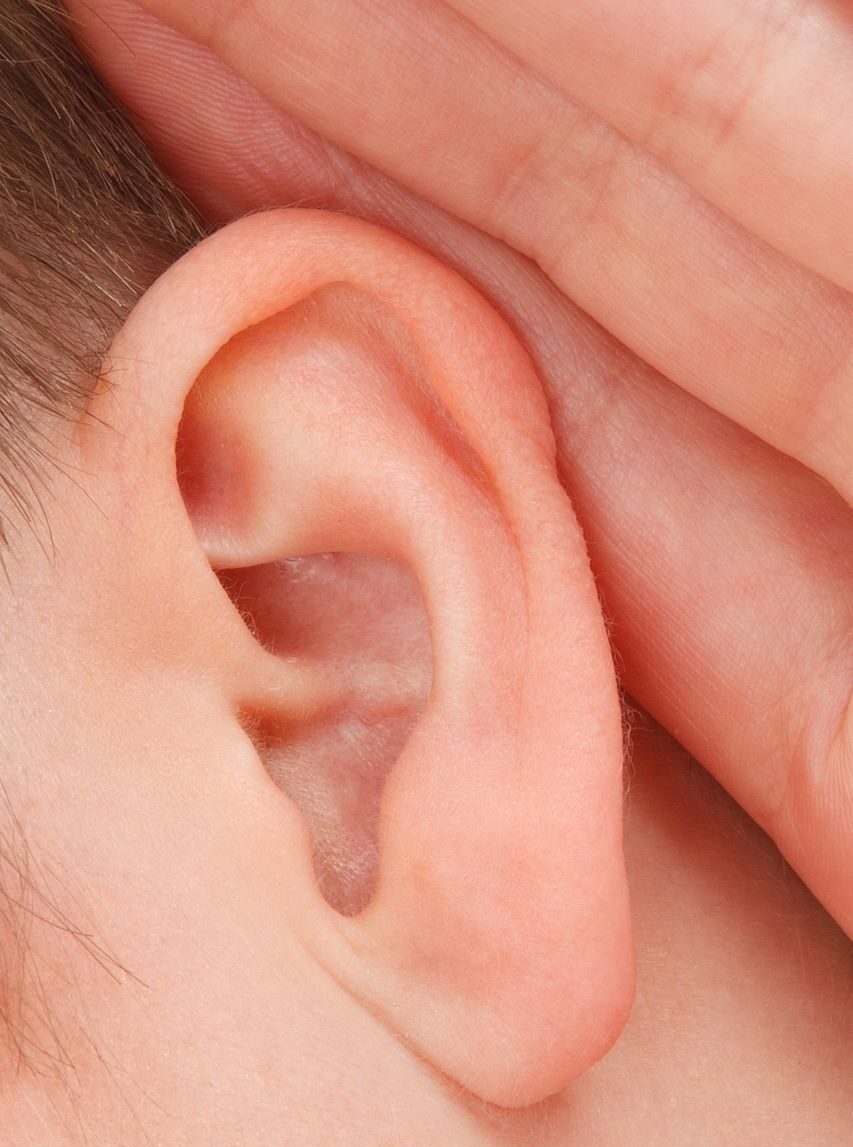
Words are the language of the conscious mind, while movement is one of the languages of the body.
Over time, Western and Eastern therapeutic traditions have increasingly interacted. Practices such as homeopathy, aromatherapy, flower therapy, chromotherapy, therapeutic massage and acupuncture, among others, have become part of broader conversations about complementary and integrative approaches to well-being.
The work of American biochemist Linus Pauling, a two-time Nobel Prize winner, also contributed to discussions surrounding nutrition and molecular approaches to health.
Orthomolecular approaches emerged around the idea of using substances naturally present in the body, including vitamins, minerals and amino acids, together with specific dietary strategies. These developments expanded the discussion about how nutrition, physiology, lifestyle and emotional well-being may interact.
Emotional Health and Physical Signals
Not everything is lost. On the contrary, becoming more attentive to ourselves can be an important step toward understanding what our bodies may be communicating.
From the body-mind perspective, if you experience a recurring headache, for example, you might ask yourself whether there is anger, stress or another emotion that you have not fully recognized.
Consider another situation: everyone eats the same delicious feijoada, yet you are the only one who feels unwell afterward. Beyond investigating the obvious physical and nutritional factors, the body-mind approach encourages you to also pay attention to your physical sensations, emotional state and individual response.
The idea is simple: your body-mind is constantly communicating with you. When we are emotionally overwhelmed, bioenergetic approaches describe our vital energy as becoming restricted or blocked. Seeking balance therefore means paying attention not only to the body, but also to our emotions, habits, relationships, environment and way of living.
We should actively participate in protecting our own well-being, remembering that self-awareness begins from within.
Learning to Listen to Your Body
Listening to your body does not simply mean reacting when pain or illness appears. It means becoming more aware of tension, fatigue, emotional reactions, physical sensations, habits and changes in your everyday state.
The body often expresses what we fail to notice consciously. Becoming aware of those signals may help us better understand our relationship with stress, emotions and daily life.
Rather than separating physical and emotional health, the body-mind perspective invites us to see the human being as an interconnected whole influenced by biology, personal history, culture, relationships and environment. Ultimately, the message is straightforward: pay attention to yourself before your body needs to speak louder.
FAQ – Frequently Asked Questions
1. What does the body-mind connection mean?
The body-mind connection refers to the relationship between physical sensations, emotions, thoughts and behavior. From this perspective, psychological experiences may influence bodily responses, while physical conditions can also affect emotional well-being.
2. What is Reichian psychotherapy?
Reichian psychotherapy is an approach influenced by the work of Wilhelm Reich that examines the relationship between emotional experiences and bodily expression. It may include attention to breathing, muscular tension, posture, movement and emotional patterns.
3. Can stress cause physical symptoms?
Stress can influence several physical processes and may be associated with symptoms such as muscle tension, fatigue, digestive discomfort and headaches. Paying attention to recurring changes in the body can help people recognize when stress may be affecting their daily lives.
4. Why is it important to pay attention to body signals?
Changes in energy, sleep, appetite, tension, pain and general physical sensations can provide useful information about well-being. Becoming more aware of these signals may help a person recognize patterns and seek appropriate support when necessary.
5. How can I improve my body awareness?
Body awareness can be developed by observing breathing, posture, physical tension, emotional reactions, sleep, eating habits and changes in energy throughout the day. Practices involving movement, relaxation and conscious attention may also help people become more aware of how their bodies respond to everyday experiences.