Looking for a quick ab workout? These five simple exercises can help strengthen your core in just 10 minutes a day. Combine crunches, planks, glute bridges, and other movements with balanced nutrition and regular physical activity to support your fitness goals.

Spending just ten minutes a day performing abdominal exercises can help strengthen core muscles, improve stability, and establish a consistent fitness routine without requiring expensive gym equipment.
Want stronger, more defined abs but don’t have hours to spend at the gym? A 10-minute daily core workout can be a practical way to strengthen your abdominal muscles, improve stability, and build a more active lifestyle. Combined with balanced nutrition, regular movement, and consistent exercise, these short sessions can become part of a long-term fitness routine.
Summer is a great time to enjoy outdoor activities, head to the beach, and feel more confident in your swimsuit. However, achieving a flatter-looking stomach involves more than doing hundreds of sit-ups. Reducing abdominal fat requires an overall approach that combines nutrition, physical activity, and muscle strengthening.
The good news is that you don’t need expensive equipment or a gym membership to get started. With a little planning, discipline, and just 10 minutes dedicated to your core muscles, you can begin building strength and improving your fitness.
Here are three practical steps to help you get started.
Step 1: Pay Attention to Your Nutrition and Calorie Intake
The first step toward reducing abdominal fat is understanding your eating habits and how they relate to your daily energy needs. Abdominal fat is body fat, and reducing it generally requires maintaining a calorie deficit, meaning that your body uses more energy than you consume over time.
Tracking what you eat and your physical activity can help you understand your habits, identify opportunities for improvement, and make more informed decisions about your nutrition.
There are several free and paid smartphone apps, including options for iPhone and Android devices, that allow you to record meals, monitor physical activity, and follow your progress. These tools can be useful for identifying eating patterns and understanding how different foods affect your appetite.
However, weight loss does not follow an exact mathematical formula for everyone. Factors such as metabolism, body composition, activity levels, and individual health conditions influence how the body responds to changes in calorie intake.
Focus on foods that provide lasting energy and nutritional value, including lean protein, fiber-rich foods, fruits, and vegetables. Protein and fiber can help promote satiety, making it easier to manage hunger and maintain balanced eating habits.
For additional guidance, explore the CDC’s recommendations on healthy eating and weight management.
Step 2: Move More Throughout the Day
Your body was designed to move, not to remain seated on a couch or behind a desk all day. Increasing your daily physical activity is an important part of improving fitness and supporting weight management.
You don’t necessarily need an intense workout to become more active. Small changes throughout your routine can make a difference. Try taking the stairs instead of the elevator, walking around your neighborhood, parking farther away from your destination, or taking short walking breaks during work.
One popular goal is reaching 10,000 steps a day. Although this number is not a universal medical requirement, it can serve as a motivational target for people who want to increase their daily movement.
If you currently spend most of the day sitting, start with a realistic step goal and gradually increase it as your fitness improves. Consistency is more important than trying to reach an arbitrary number immediately.
According to the U.S. Centers for Disease Control and Prevention (CDC), adults should aim for at least 150 minutes of moderate-intensity aerobic activity per week, or 75 minutes of vigorous activity, along with muscle-strengthening activities at least two days a week.
Activities such as brisk walking, cycling, swimming, dancing, and jogging can help you stay active while supporting cardiovascular health and weight management.
The key is to find activities you enjoy and make movement part of your everyday routine.
Step 3: Strengthen Your Core With a 10-Minute Workout
Once you have started paying attention to nutrition and increasing your daily movement, the next step is to strengthen your core muscles.
Your core includes much more than your abdominal muscles. It also involves muscles in your back, hips, and pelvis, which work together to support posture, balance, and stability.
Traditional sit-ups and crunches can help strengthen certain abdominal muscles, but they should not be the only exercises in your routine. A more complete workout includes movements that engage different parts of your core.
The following exercises can be performed at home without expensive equipment. All you need is a comfortable exercise mat and approximately ten minutes.
Five Core Exercises to Include in Your Routine
1. Full Crunches
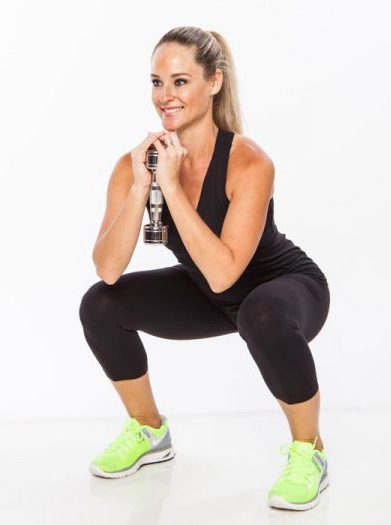
Simple exercises such as crunches, planks, glute bridges, side planks, and single-leg abdominal presses can target different muscle groups and help improve abdominal strength and posture.
Full crunches help activate the abdominal muscles. Lie on your back with your knees bent and feet positioned comfortably. Place your hands behind your head without pulling your neck, then lift your upper body while engaging your abdominal muscles.
Perform 8–10 controlled repetitions, avoiding sudden movements or pulling on your neck.
2. Glute Bridge
The bridge exercise works the glutes, hips, and core muscles. Lie on your back with your knees bent and feet flat on the floor, approximately hip-width apart.
Engage your abdominal muscles and lift your hips until your body forms a straight line from your shoulders to your knees. Hold the position for a few seconds before slowly lowering your hips.
Repeat 8–10 times, maintaining control throughout the movement.
3. Single-Leg Abdominal Press
This exercise challenges core stability and coordination. Lie on your back with your knees bent and hips positioned comfortably. Raise one leg and bring the opposite hand toward the thigh, gently pressing against it while engaging your abdominal muscles.
Maintain a controlled position without arching your lower back. Alternate sides.
Perform 8–10 repetitions on each side, adjusting the movement to your fitness level.
4. Plank Pose
The plank is an effective exercise for strengthening the abdominal muscles and improving overall core stability.
Position yourself face down, supporting your body on your forearms and toes. Keep your elbows beneath your shoulders and maintain a straight line from your head to your heels.
Hold the position for 15–30 seconds, keeping your abdominal muscles engaged and avoiding letting your hips drop.
Beginners can perform a modified plank with their knees resting on the floor.
5. Side Plank
The side plank focuses on the oblique muscles, located along the sides of your abdomen, while also challenging your balance and stability.
Lie on one side and support your upper body with your forearm. Lift your hips off the floor while keeping your body aligned. Hold the position before switching sides.
Try holding each side for 15–20 seconds, gradually increasing the duration as your strength improves.
How to Organize Your 10-Minute Core Routine
You can combine these five exercises into a short workout, moving slowly and maintaining proper form rather than rushing through repetitions.
A practical approach is to spend approximately two minutes on each exercise, including repetitions, holding positions, and short recovery periods. Adjust the duration according to your fitness level.
Remember that correct technique is more important than completing a large number of repetitions. If you experience pain, stop the exercise and consider seeking guidance from a qualified fitness professional.
Make Your 10-Minute Workout Part of Your Daily Routine
One of the best things about these core exercises is that you don’t need fancy equipment, expensive gym memberships, or a complicated workout schedule.
You can exercise at home while watching your favorite television show, before taking a shower in the morning, or during a break in your daily routine. The important thing is to establish a consistent schedule and gradually improve your strength.
Keep in mind that abdominal exercises strengthen and develop your core muscles, but they do not automatically eliminate belly fat. Fat loss happens through broader changes in energy balance, physical activity, and lifestyle. Genetics, age, hormones, and individual body composition can also influence how and where fat is stored.
The goal should be to develop a stronger, healthier body rather than chasing unrealistic promises of instant results.
With a balanced eating plan, more daily movement, and consistent core training, you can make meaningful progress toward your fitness goals. Ten minutes may be a small part of your day, but it can be a valuable starting point for building a healthier lifestyle.
Need it? Go for it!
FAQ: Frequently Asked Questions
1. Can you get flat abs by exercising for 10 minutes a day?
A 10-minute workout can help strengthen your abdominal muscles and improve core stability. However, visible abdominal definition depends on several factors, including overall body fat, nutrition, genetics, and physical activity. Ten minutes is a good starting point, not a guarantee of flat abs.
2. What are the best exercises for strengthening your abs at home?
Some effective exercises include crunches, planks, side planks, glute bridges, and single-leg abdominal presses. These movements target different muscles involved in core strength and stability and can be performed without gym equipment.
3. Can abdominal exercises burn belly fat?
Abdominal exercises strengthen the muscles underneath the abdominal fat, but they do not necessarily eliminate fat in that specific area. Reducing overall body fat requires a combination of balanced nutrition, regular physical activity, and consistent exercise.
4. Is walking 10,000 steps a day necessary to lose belly fat?
No. Ten thousand steps is a popular fitness target, not a universal requirement. Increasing daily movement can support weight management, but the ideal number of steps varies according to individual fitness levels, health, and lifestyle.
5. How often should I do abdominal exercises?
You can incorporate core exercises into your weekly fitness routine several times a week, allowing adequate recovery between challenging sessions. Combine core exercises with aerobic activities and strength training to develop overall fitness and muscular strength.