Bumba-Meu-Boi is one of Brazil’s oldest folk traditions, blending satire, music, and dance in the story of a resurrected bull. Rooted in 18th-century Brazil, it critiques social inequality while celebrating community identity. Recognized by UNESCO as Intangible Cultural Heritage, the tradition remains vibrant from Maranhão to Rio de Janeiro.
By Claudia Lyra
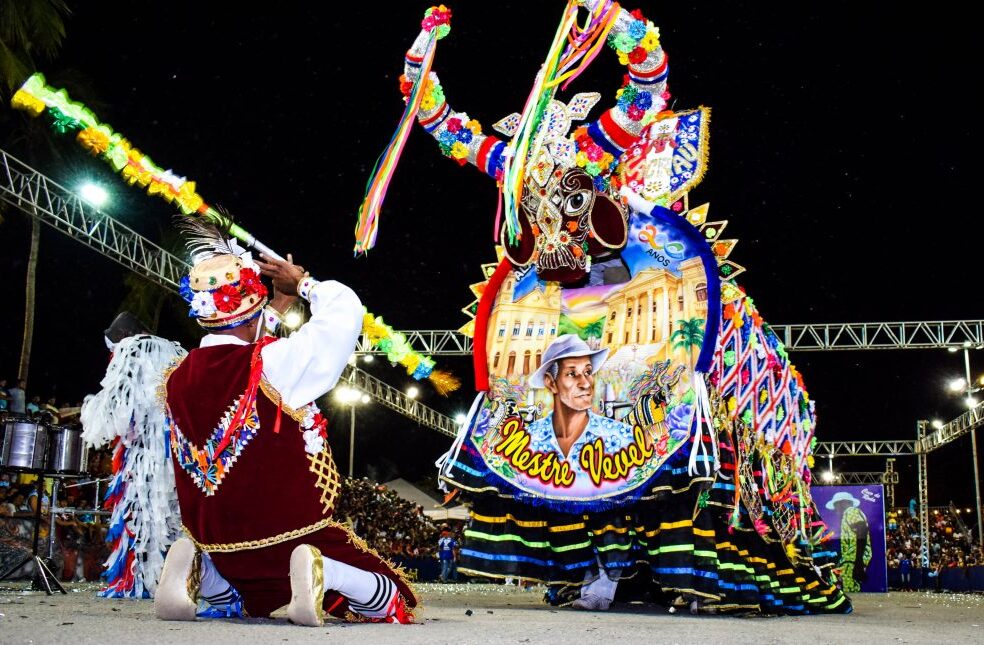
Bumba-Meu-Boi is one of Brazil’s oldest and most meaningful folk traditions.
Discover Bumba-Meu-Boi, a bold Brazilian folk play combining satire, music, and dance. Dive into the story of a resurrected bull, its rich cultural legacy, and how this tradition earned UNESCO’s global recognition. Learn how communities across Brazil keep this vibrant spectacle alive – from Maranhão’s villages to Rio’s big stages.
Bumba-Meu-Boi is a vibrant and interactive folk performance originating in 18th-century Brazil. Deeply rooted in the country’s cultural history, it blends music, dance, theatrical storytelling, and social commentary. Though less internationally known than Carnaval, Bumba-Meu-Boi is one of Brazil’s oldest and most meaningful traditions.
The story centers on the death and resurrection of a bull, presented in a satirical narrative where Brazil’s lower class mocks social elites. Through humor and exaggerated characters, performers critique colonial legacies, racism, and class inequality, making Bumba-Meu-Boi not just entertainment, but an act of cultural resistance.
Key Characters and Themes
The folktale varies slightly by region, but core elements remain consistent. The cast typically includes:
- The Bull (Boi) – the central figure whose fate drives the story
- Catirina – a pregnant Black woman who desires the bull’s tongue
- Mateus – a cowboy or trickster who helps her
- Cavalo Marinho – a white master or authority figure
- A Priest and a Doctor – representing religious and scientific institutions
This dynamic cast engages audiences in a participatory spectacle, where onlookers shout, laugh, and even become part of the performance. The festive atmosphere is heightened by rhythmic drumming, colorful costumes, and often, generous servings of Cachaça (Brazilian sugarcane liquor).
Traditional vs. Modern Interpretations
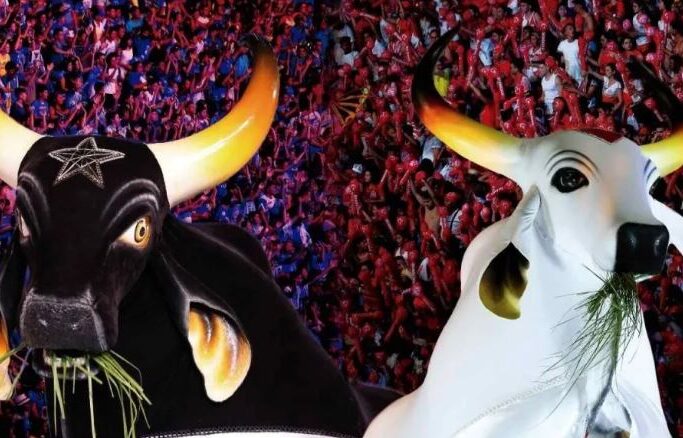
The festival blends music, dance, humor, and cultural resistance. AmazonasTur/Divulgação
Bumba-Meu-Boi performances occur mainly between June 13–29 (Festa Junina) and from December 25 to January 6 (Folia de Reis). The tradition has evolved into two primary forms:
- Traditional Form – Found in Maranhão, the North, Northeast, and parts of the Amazon, this version preserves the festival’s rebellious, anti-elitist spirit. Communities uphold the folklore as a reflection of their historical struggles and identity.
- Modern Form – Popular in urban centers like Rio de Janeiro and São Paulo, this adaptation incorporates pop culture and media trends. While it has broader appeal, traditionalists often view it as having lost its original meaning and depth.
Despite these differences, both styles contribute to keeping the tradition alive and relevant.
Cultural Recognition
In 2011, Brazil’s federal government declared the Bumba-Meu-Boi Cultural Complex an official Cultural Heritage of Brazil. In 2018, the National Institute of Historic and Artistic Heritage (IPHAN) submitted the festival to UNESCO for recognition as an Intangible Cultural Heritage of Humanity—a prestigious international status it later received.
This recognition not only highlights Bumba-Meu-Boi’s artistic and historical value but also helps protect the tradition for future generations.
FAQ – Frequently Asked Questions
1. What is Bumba-Meu-Boi?
Bumba-Meu-Boi is a Brazilian folk performance combining music, dance, satire, and storytelling centered on the death and resurrection of a bull.
2. Why is Bumba-Meu-Boi important in Brazilian culture?
It reflects Brazil’s Indigenous, African, and European influences while addressing themes of class inequality, colonialism, and resistance.
3. When is Bumba-Meu-Boi celebrated?
It is primarily performed during Festa Junina (June) and Folia de Reis (late December to early January).
4. Where is Bumba-Meu-Boi most traditional?
Maranhão is considered the strongest guardian of the traditional form.
5. Why did UNESCO recognize Bumba-Meu-Boi?
UNESCO recognized it as Intangible Cultural Heritage due to its historical depth, artistic richness, and cultural significance.