Paraty is a historic coastal town in Rio de Janeiro state, Brazil, known for its preserved colonial architecture, cobblestone streets, beaches, waterfalls, and boat tours. Located on the Costa Verde, it also hosts cultural events such as the FLIP International Literary Festival and the Festival da Cachaça.
By Lindenberg Junior | Translated Mallory Adragna
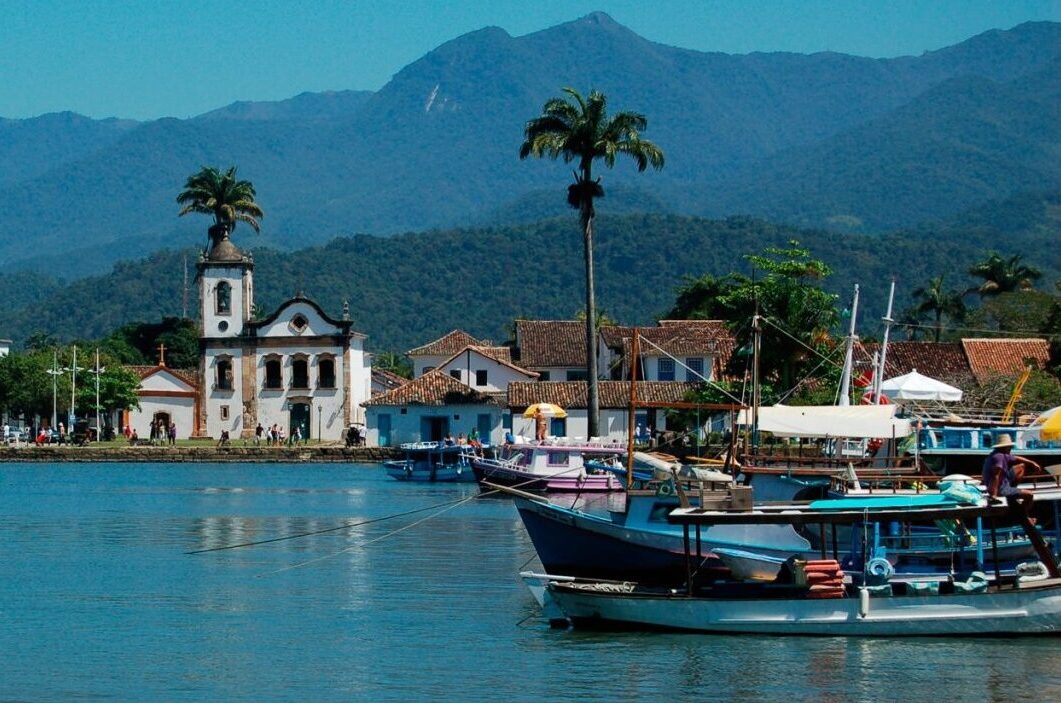
Paraty is a historic coastal town in Rio de Janeiro state, known for its preserved colonial architecture and cobblestone streets.
Paraty, a beautifully preserved historic town on the coast of Rio de Janeiro state, offers a memorable combination of colonial architecture, Atlantic Forest landscapes, beaches, and cultural traditions. From its charming cobblestone streets to its scenic coastline, Paraty attracts travelers interested in Brazilian history, nature, food, and local culture.
Located along the Costa Verde (Green Coast), Paraty was founded in 1667 as a port town and became an important gateway for transporting gold and other goods from Brazil’s interior. Today, its historic buildings, surrounding mountains, and clear coastal waters make it a distinctive destination for visitors exploring southeastern Brazil.
The region features a remarkable coastline of beaches, islands, and secluded coves. Paraty is also known for its cultural heritage, hosting music, dance, and theater events, as well as art and craft exhibitions throughout the year.
The town has hosted the Festival da Cachaça, traditionally held around August, for decades. Cachaça is Brazil’s sugarcane spirit and the principal alcoholic ingredient in the famous caipirinha. Paraty is also home to the internationally recognized FLIP, or Paraty International Literary Festival, which brings together writers, intellectuals, and literature enthusiasts from Brazil and abroad. Festival dates vary, so visitors should check the official schedule when planning a trip.
Discover Paraty’s Historic Center
One of Paraty’s main attractions is its Historic Center, known for its preserved colonial architecture and cultural significance. The historic center forms part of the Paraty and Ilha Grande UNESCO World Heritage Site, inscribed in 2019 in recognition of the area’s combined cultural and natural heritage. Read more in our previous article about Paraty and Ilha Grande becoming World Heritage sites.
The town’s whitewashed colonial houses, colorful details, cobblestone streets, and historic buildings create an inviting atmosphere. Visitors can explore craft shops, art galleries, restaurants, and bars throughout the historic district.
Another notable landmark is the historic Igreja Matriz de Nossa Senhora dos Remédios, one of the town’s important religious and architectural sites.
Walking through the Historic Center offers an opportunity to discover Paraty’s history at a relaxed pace while experiencing its restaurants, local crafts, and cultural atmosphere.
Connect With Nature: Paraty’s Beaches and Coastal Scenery
Paraty is also known for its beaches, forested hills, islands, and opportunities to explore the coast by boat.
Praia do Pontal and Praia do Jabaquara
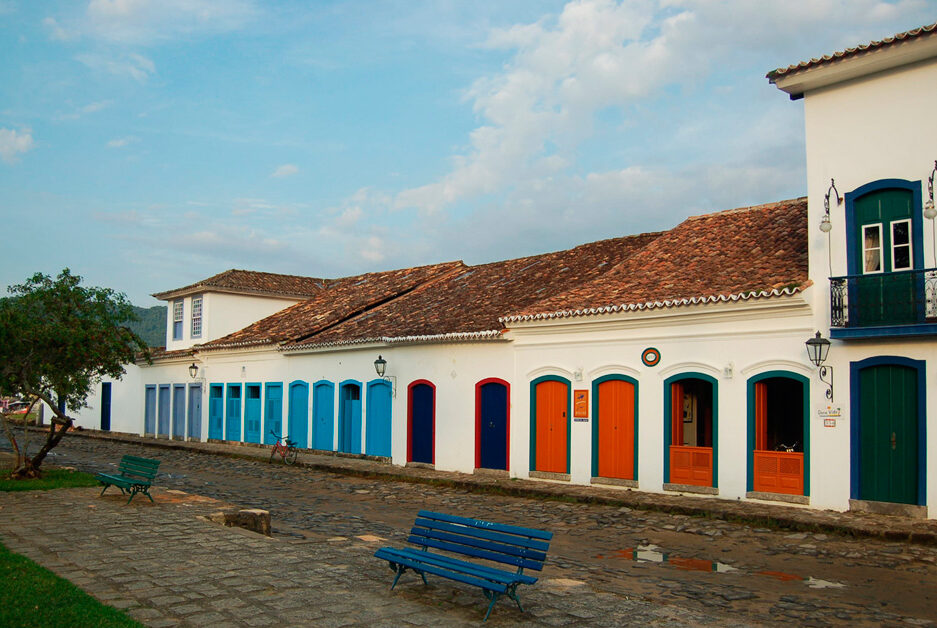
Paraty’s Historic Center is known for its preserved colonial architecture. Photo: Portal Paraty
Praia do Pontal is a popular beach near the town center, featuring a picturesque stretch of sand, coconut trees, and coastal views.
Praia do Jabaquara is another option, known for its relatively shallow and tranquil waters in suitable conditions. Visitors can enjoy the coastal scenery and water-based activities, depending on weather and local conditions.
Praia do Sono and Praia dos Antigos
Travelers willing to venture farther from the town center can explore Praia do Sono and Praia dos Antigos. These beaches are known for their natural surroundings and more secluded atmosphere.
Access can require additional travel or hiking, depending on the route. Visitors should check local trail conditions and transportation options before setting out.
Discover Trindade, Near Paraty
Another destination worth exploring is Trindade, a coastal village in the Paraty region, approximately 30 minutes away by road under favorable traffic conditions.
Trindade is known for its beaches, forested landscapes, walking trails, and natural pools. Praia do Meio and Praia do Cachadaço are popular stops where visitors can enjoy scenic surroundings and explore the coastline.
The natural pool at Cachadaço is especially associated with clear water and rocky formations. Conditions can vary, so visitors should follow local safety guidance when swimming or walking along the coast.
Boat Tours, Islands, and Waterfalls Around Paraty
Boat trips are a popular way to explore Paraty’s islands, coves, and coastal scenery. Depending on the route and operator, excursions may include destinations such as Ilha Comprida, Praia Vermelha, and Ilha dos Cocos.
During these trips, visitors can swim where conditions permit, snorkel, and enjoy views of the surrounding coastline. Routes, stops, and departure times vary, so it is worth confirming the itinerary before booking.
For a different kind of outdoor experience, visit Cachoeira do Tobogã, a waterfall near Paraty known for a smooth rock formation that creates a natural slide. Visitors sometimes slide down the rock into the water, but this activity depends on water levels and conditions. Follow local safety advice and do not use the natural slide when conditions are unsafe.
The combination of beaches, boat excursions, hiking, and waterfalls makes Paraty a destination for travelers who want to combine historic sightseeing with outdoor adventures.
When Is the Best Time to Visit Paraty?
The best time to visit Paraty depends on your preferred travel experience, tolerance for crowds, and plans for outdoor activities.
High Season: December to March
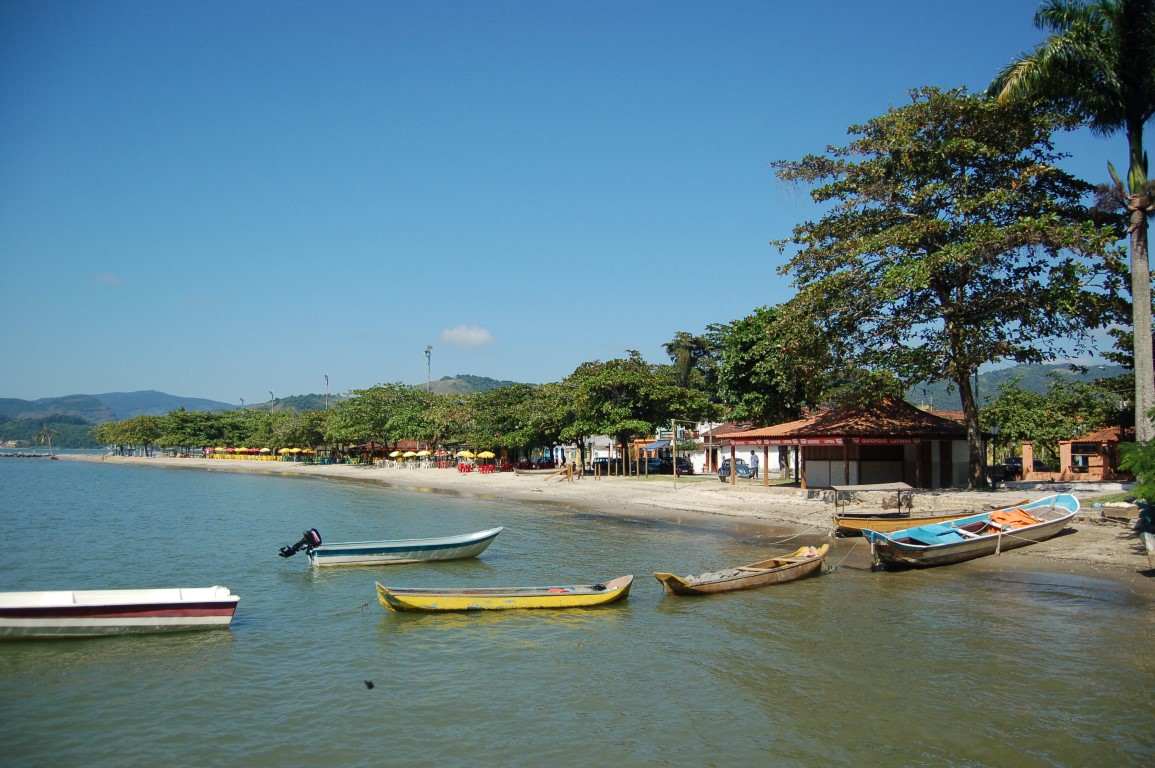
Praia do Pontal, Praia do Jabaquara, Praia do Sono, and Trindade offer different ways to experience Paraty’s coastal scenery. Photo: Portal Paraty
Paraty’s summer high season generally runs from December through March. During this period, the town attracts more visitors, and beaches, restaurants, and popular attractions can become busier.
Travelers planning a summer visit should reserve accommodations in advance, especially around public holidays and major events.
Lower Season: April to June and August to November
The months of April through June and August through November are often quieter than the summer high season. Depending on demand and local events, visitors may find a more relaxed atmosphere and a wider range of accommodation prices.
These periods can appeal to travelers who prefer to explore the Historic Center, take boat trips, or enjoy the surrounding scenery without peak-season crowds.
Weather and Rainfall in Paraty
Paraty experiences rainfall throughout the year, with generally wetter conditions during the summer months, particularly from December to March. April through November is often comparatively drier, although rain can occur at any time.
Because weather affects boat trips, hiking trails, waterfalls, and beach conditions, travelers should check the forecast before outdoor excursions and bring appropriate rain protection.
Literature enthusiasts may also want to plan around the FLIP International Literary Festival. Since the event’s dates can change, consult the official website before arranging flights and accommodation.
Why Visit Paraty, Brazil?
Paraty offers a distinctive blend of historic architecture, coastal scenery, Atlantic Forest landscapes, and Brazilian cultural traditions. Visitors can walk through a colonial historic center, relax on nearby beaches, explore islands by boat, visit waterfalls, and experience events celebrating literature, music, crafts, and cachaça.
Whether you visit during the lively summer season or choose a quieter time of year, there is plenty to discover. For Brazilian residents in the United States planning a trip to Brazil, Paraty can be a rewarding addition to an itinerary along Rio de Janeiro state’s Costa Verde.
Its combination of history, nature, and cultural life makes Paraty a destination for travelers looking to experience a different side of Brazil.
* For airfare from the United States to Brazil or Latin America, customized travel packages, alternative accommodations, as well as travel planning consultation please visit our travel agent page or contact Magali da Silva directly by phone or whatsapp: 1(323)428-1963.
FAQ – Frequently Asked Questions
1. Where is Paraty, Brazil?
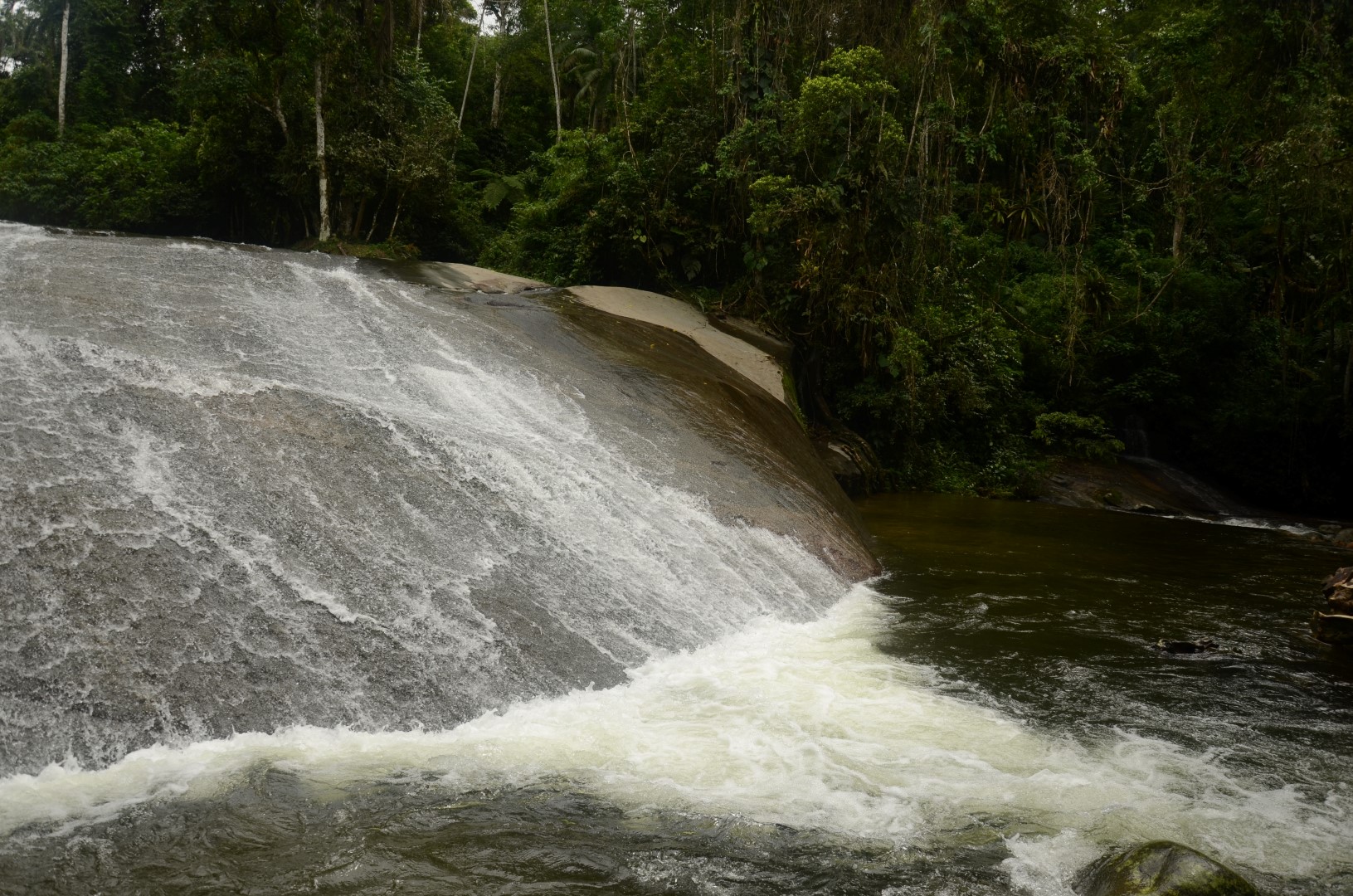
Boat tours, snorkeling, hiking, and visits to Cachoeira do Tobogã give travelers opportunities to explore the natural surroundings. Photo: Portal Paraty
Paraty is a historic coastal town in the state of Rio de Janeiro, on Brazil’s Costa Verde. It is located between Rio de Janeiro and São Paulo and is known for its colonial architecture, beaches, islands, waterfalls, and Atlantic Forest landscapes.
2. What are the best things to do in Paraty?
Visitors can explore Paraty’s Historic Center, walk along its cobblestone streets, visit historic churches, enjoy beaches such as Praia do Pontal and Praia do Jabaquara, take boat tours to nearby islands and beaches, and visit natural attractions such as Cachoeira do Tobogã.
3. What beaches should I visit in Paraty?
Popular options include Praia do Pontal, Praia do Jabaquara, Praia do Sono, Praia dos Antigos, and the beaches around Trindade, including Praia do Meio and Praia do Cachadaço. Boat tours also provide access to more secluded beaches and islands.
4. When is the best time to visit Paraty?
The best time depends on the type of trip. December through March is the busier summer period, while April through June and August through November can offer a quieter experience. Travelers should also consider rainfall and check weather conditions and event dates before planning their trip.
5. Why is Paraty considered a UNESCO World Heritage destination?
Paraty and Ilha Grande were inscribed as a UNESCO World Heritage site in 2019 because of the area’s combination of cultural and natural heritage, including its historic landscape, colonial architecture, Atlantic Forest, and coastal ecosystems.