Fernando de Noronha is a volcanic archipelago off northeastern Brazil, known for its crystal-clear waters, protected marine ecosystems, sea turtles, dolphins, and spectacular beaches. The best time to visit is generally August through January, with flights from Recife and Natal and an environmental preservation fee required for most visitors.
By Lindenberg Junior
Translation: Andrea Alves

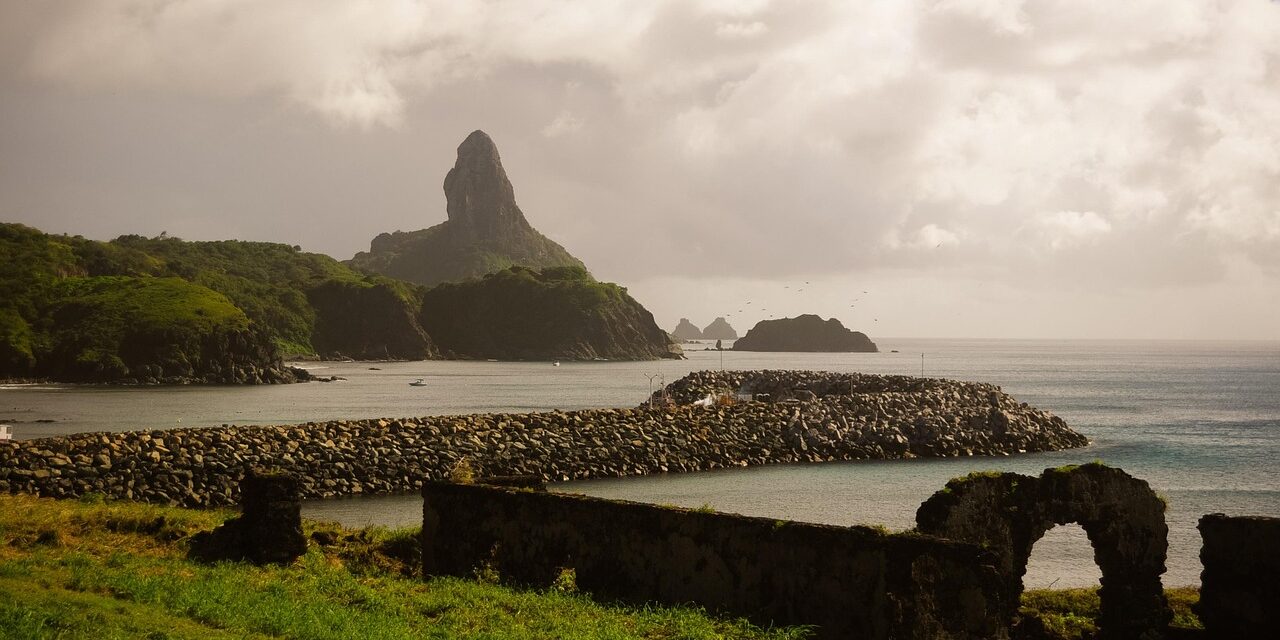
Fernando de Noronha is a volcanic archipelago in Brazil known for its pristine beaches, dramatic cliffs, and extraordinary natural beauty.
Fernando de Noronha, a volcanic archipelago in the South Atlantic off Brazil’s northeastern coast, is one of the country’s most iconic ecological destinations. Comprising 21 volcanic islands and islets across approximately 26 km², including 17 km² on the main inhabited island, this remarkable destination features spectacular beaches, canyons, forests, and caverns, alongside extraordinary biodiversity and landscapes largely untouched by pollution.
For Brazilian residents in the United States planning a trip to Brazil, Fernando de Noronha offers a combination of crystal-clear waters, exceptional marine life, outdoor adventures, and nature-focused tourism.
Climate in Fernando de Noronha: When Is the Best Time to Visit?
Fernando de Noronha has a tropical wet-and-dry climate, with relatively stable temperatures throughout the year.
The rainy season runs from February to July, with the heaviest rainfall generally occurring in April, when precipitation can reach approximately 290 mm. The dry season lasts from August to January, bringing mostly sunny days and conditions that are often ideal for beach activities, snorkeling, and diving.
Air temperatures average between 26°C and 29°C, while sea temperatures typically range from 26.5°C to 28.5°C, making ocean swimming comfortable throughout the year.
Best time to visit Fernando de Noronha:
- August to December: Generally sunnier conditions and lower rainfall, making this period attractive for beachgoers and divers.
- November to March: Surfers may prefer these months as wave conditions become more favorable.
- April: Typically the wettest month, with rainfall that can reach approximately 290 mm.
The best travel period depends on the activities you plan to enjoy, particularly if you want to combine beach days with surfing, diving, or wildlife observation.
Fernando de Noronha Marine National Park and Its Biodiversity
Established in September 1988, the Fernando de Noronha Marine National Park protects the archipelago’s distinctive marine and terrestrial ecosystems. The park is managed by the Chico Mendes Institute for Biodiversity Conservation (ICMBio).
The islands are internationally recognized for their marine life, seabirds, and ecological importance.
Marine Wildlife and Ocean Ecosystems
Fernando de Noronha’s clear waters, coral reefs, and mangrove environments support a variety of marine species, including:
- Sea turtles: Green, hawksbill, loggerhead, and olive ridley turtles.
- Sharks: Lemon sharks are among the species found in the surrounding waters.
- Spinner dolphins: Frequently associated with Baía dos Golfinhos, or Dolphin Bay, where visitors may observe these marine mammals in their natural environment.
- Other marine life: Corals, sea stars, mollusks, fish, and other organisms contribute to the archipelago’s biodiversity.
Birdwatching and Native Species
The archipelago also offers opportunities for birdwatching. Its wildlife includes endemic birds such as the Noronha elaenia and Noronha vireo, alongside tropicbirds, shearwaters, boobies, and frigatebirds.
Other notable fauna include crabs from genera such as Johngarthia and Percnon, as well as diverse marine invertebrates.
The combination of protected habitats and abundant wildlife makes Fernando de Noronha an important destination for nature enthusiasts, photographers, divers, and travelers interested in ecological conservation.
Best Beaches and Things to Do in Fernando de Noronha

The Fernando de Noronha Marine National Park protects important marine habitats and wildlife, including sea turtles, dolphins, and seabirds.
Fernando de Noronha is famous for its beaches, dramatic coastal scenery, and opportunities to experience marine life up close.
Among the archipelago’s notable beaches are:
- Baía do Sancho: Known for its turquoise waters, dramatic cliffs, and natural beauty.
- Baía dos Porcos: A scenic beach featuring rocky formations and clear water.
- Cacimba do Padre: Popular for its coastal scenery and surfing conditions.
- Sueste Beach: An area associated with marine wildlife and snorkeling opportunities, subject to local access and conservation rules.
- Praia do Leão: A beach known for its natural setting and importance to sea turtles.
- Praia da Conceição: A popular spot for beach outings and ocean views.
- Praia do Meio: An attractive option for swimming and relaxing by the sea, depending on conditions.
- Praia do Cachorro: A beach close to the main settlement, offering convenient access to the coast.
Underwater visibility can be excellent, creating opportunities for snorkeling and diving. Water temperatures are generally warm enough for many visitors to enjoy these activities without a wetsuit, although individual comfort and conditions vary.
Activities for Nature Lovers
Visitors can explore Fernando de Noronha through a variety of outdoor experiences, including:
- Scuba diving and snorkeling.
- Wildlife observation and dolphin watching.
- Hiking along coastal trails.
- Exploring beaches, cliffs, and scenic viewpoints.
- Horseback tours and other outdoor excursions, where available.
Because the archipelago is an environmentally sensitive destination, visitors should follow local access rules, respect protected areas, and use authorized guides or operators when required.
How to Get to Fernando de Noronha
Access to Fernando de Noronha is primarily by air, with flights from Recife and Natal. The island has an airport, but there is no cruise port serving it as a conventional cruise destination.
Travelers should check current flight schedules, local transportation options, and visitor regulations before departure.
Visitor Requirements: Environmental Preservation Fee and Accommodations
Environmental Preservation Fee (TPA)
Visitors must account for the Environmental Preservation Fee, known in Portuguese as the Taxa de Preservação Ambiental (TPA).
The fee is imposed by the government of Pernambuco and varies according to the length of a visitor’s stay. According to the original guidance for this article, payment can be made in cash or by credit card upon arrival, and advance payment is also available.
Children under five years of age are exempt.
Travelers should consult the official Fernando de Noronha government website at www.noronha.pe.gov.br for current rates, payment instructions, exemptions, and other visitor requirements, as these details may change.
Where to Stay in Fernando de Noronha
The archipelago offers approximately 70 family-run pousadas, or Brazilian-style guesthouses and bed-and-breakfast accommodations.
Many provide simple rooms and meals such as breakfast, lunch, and dinner, often featuring local hospitality and a welcoming, homestyle atmosphere.
Compared with large resort destinations, these smaller accommodations contribute to Fernando de Noronha’s more intimate tourism experience. Travelers should confirm current availability, services, and reservation policies directly with their chosen property.
Why Fernando de Noronha Is One of Brazil’s Most Distinctive Destinations

Travelers visiting Fernando de Noronha should plan for flights, accommodations, environmental preservation fees, and local conservation requirements.
Fernando de Noronha has retained much of its natural appeal through conservation measures, restrictions on tourism, and limited tourism infrastructure.
Its ecological importance, dramatic coastal scenery, clear waters, rich marine biodiversity, world-class diving opportunities, and family-run guesthouses combine to create a nature-focused travel experience.
For Brazilian residents in the United States planning a visit to Brazil, the archipelago offers an opportunity to discover a different side of the country: one defined by environmental preservation, outdoor exploration, and close contact with nature.
A visit requires planning, including checking flights, accommodation, environmental fees, and local conservation rules. In return, travelers can experience one of Brazil’s most remarkable coastal environments while supporting the importance of protecting its fragile ecosystems.
* For airfare from the United States to Brazil or Latin America, customized travel packages, alternative accommodations, as well as travel planning consultation please visit our travel agent page or contact Magali da Silva directly by phone or whatsapp: 1(323)428-1963.
FAQ – Frequent Ask Questions
Q: When is the best time to visit Fernando de Noronha?
A: The best time is during the dry season from August to January, with minimal rain and sunny skies. Surfing is especially good between November and March, while April has the heaviest rainfall
Q: How warm is Fernando de Noronha year-round?
A: Air temperatures consistently range from 26 °C to 29 °C, with sea temperatures between 26.5 °C and 28.5 °C, making the water inviting year-round
Q: What makes the Marine National Park special?
A: Established in 1988, it protects vital marine ecosystems—including turtles, sharks, spinner dolphins, coral reefs – plus seabirds and endemic species – under the management of ICMBio
Q: What is the environmental preservation tax?
A: The TPA is a daily tax collected upon arrival, calculated by duration of stay and used for ecological protection. Rates change – check official sources for current pricing.
Q: What types of lodging are available on the island?
A: Mostly family-run pousadas (B&Bs) with simple rooms and local homestyle meals – creating a comfortable, authentic experience.