Marajó Island is one of Brazil’s most unique eco-tourism destinations, offering rustic charm, rich biodiversity, and deep cultural roots. With buffalo farms, Amazon forest trails, wildlife observation, and the famous pororoca phenomenon, the island delivers authentic nature experiences. Ideal for travelers seeking simplicity, sustainability, and immersion in the Amazon ecosystem.
By Alia Ponte
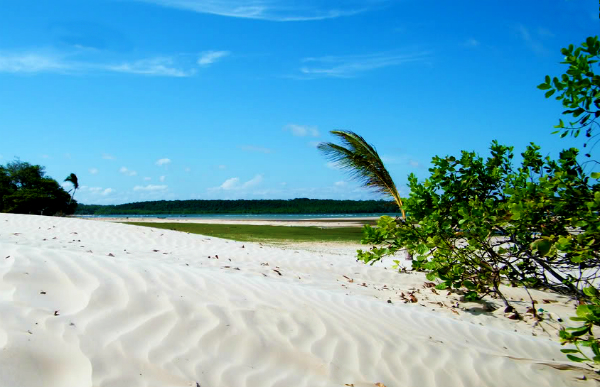
Marajó is an irresistible invitation for eco-tourism lovers
With its humid climate, Ilha de Marajó is a pleasant destination for tourism throughout most of the year. The island experiences a dry season lasting only about two months in the second half of the year. During the remaining months, Marajó becomes an irresistible invitation for eco-tourism lovers.
Beyond its impressive landscapes and mild weather, Marajó offers visitors an intense immersion in nature—an experience that urban comforts simply cannot provide. Tourists are invited to enjoy direct contact with wildlife and the surrounding natural environment.
Geography, History, and Unique Landscapes
From a geographical perspective, Ilha de Marajó stands out for its remarkable diversity. Visitors can explore the artificial hills known as “tesos”, built by Indigenous peoples between the 15th and 16th centuries.
To the north and south, vast savannah areas stretch across the island, especially in transition zones between rainforest regions and areas rich in rivers and lakes. Marajó is defined by rustic beauty and a preserved, ancestral local culture. The island is part of Brazil’s national tourism circuit due to its beaches, distinctive vegetation, outstanding natural scenery, and unique cuisine. As a result, it attracts visitors from Europe, Japan, and the United States.
Rustic Infrastructure and Local Culture
One of the aspects that most captures tourists’ attention is Marajó’s charming rustic infrastructure, a true paradox throughout the region. Restaurants are few and simple, often run by local families who prepare and serve traditional dishes made with fish, fruits, and homemade sweets.
Local handicrafts are equally rustic and largely made from Amazon forest resources. These include palm-fiber baskets, clay objects, and utensils inspired by Indigenous culture—items that strongly appeal to international visitors seeking authenticity.
Eco-Tourism and Unforgettable Experiences
Eco-tourism is one of Marajó’s greatest attractions, especially visits to buffalo farms, which are deeply connected to the island’s identity. Sustainable development and eco-tourism play a central role in the region’s tourism policy.
Visitors can witness the spectacular natural phenomenon known as the “pororoca”, created by the meeting of the Amazon River and the Atlantic Ocean. Other unforgettable activities include nighttime alligator watching through lanternagem—a technique that uses flashlights to momentarily freeze the animals for observation—and riding bulls on tracks once used by ancient local communities.

Eco-tourism and sustainable development shape Marajó’s identity
Wildlife Observation and Adventure Sports
Between June and November, during the so-called “Amazon summer,” tourists are treated to an extraordinary natural spectacle. Fields become gathering places for egrets and maned wolves searching for food among cattle—an experience unlike anywhere else in the world.
For adventure seekers, tree climbing is a must. Unlike artificial forest structures, the activity on Marajó takes place among native trees, over lakes, using ropes, bridges, and nets. Visitors can climb up to 12 meters high with the support of specialized equipment and trained professionals, making the experience both safe and exhilarating.
Nature Walks and Ecological Trails
Another popular activity is guided walks near hotels, offering close observation of the Amazon forest, local fauna, and especially buffalo herds. These trails cross typical vegetation and allow tourists to gain deeper knowledge of the island’s biodiversity.
There are eight different trails used alternately to preserve animal pathways and minimize environmental impact. Thanks to its natural exuberance, Ilha de Marajó comprises nearly three thousand islands, forming the largest fluvial-maritime archipelago on Earth. For eco-tourism enthusiasts, Marajó is truly a must-visit destination.
*Alia Ponte is a journalist and professional translator for English, Spanish and French languages. She lives in Los Angeles and contributes with Soul Brasil magazine with writing and translations.
FAQ – Frequently Asked Questions
1. Where is Marajó Island located?
Marajó Island is located in the state of Pará, at the mouth of the Amazon River in northern Brazil.
2. What is Marajó best known for?
It is famous for its buffalo farms, eco-tourism activities, rustic culture, and rich Amazonian biodiversity.
3. When is the best time to visit Marajó Island?
The most popular period is between June and November, during the Amazon summer, when wildlife observation is at its peak.
4. What eco-tourism activities are available on the island?
Visitors can enjoy nature trails, buffalo farm visits, pororoca observation, alligator night watching, and tree climbing.
5. Is Marajó suitable for international tourists?
Yes. The island attracts visitors from Europe, Japan, and the U.S. looking for authentic and sustainable travel experiences.