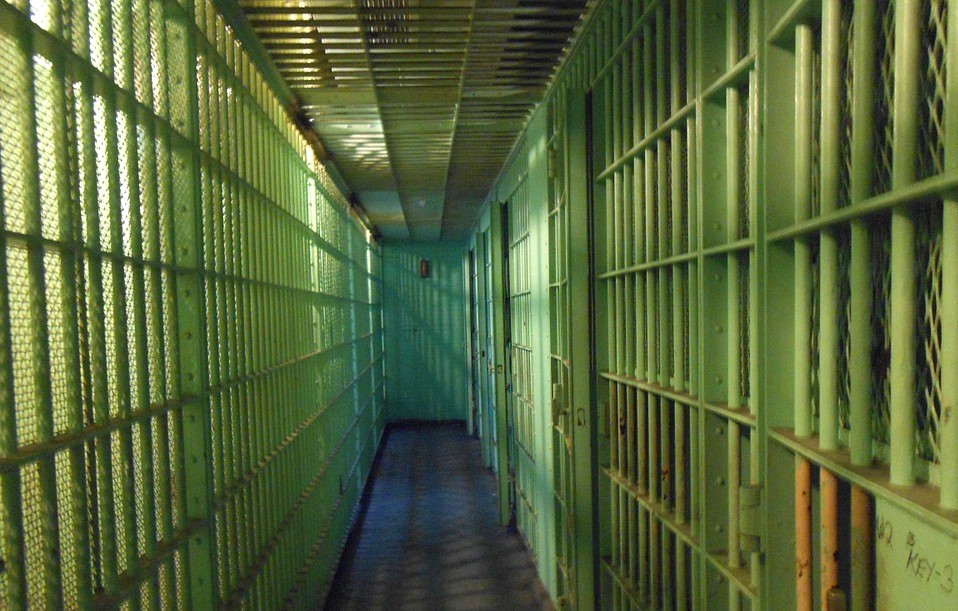
Brazil’s prison system has long faced severe overcrowding and human rights concerns. A Human Rights Watch report documenting conditions in Pernambuco helped draw international attention to the crisis, prompting government promises of reform and renewed debate over prison conditions and judicial delays.
The Human Rights Watch report helped bring international attention to inhumane prison conditions in Pernambuco.
Brazil’s prison system has faced years of criticism for chronic overcrowding, violence and inhumane conditions. In 2016, following a Human Rights Watch (HRW) report published in late 2015, Brazilian authorities pledged reforms aimed at improving prison conditions and addressing lengthy judicial delays that often keep detainees waiting years before appearing before a judge.
Released in both English and Portuguese, the report focused primarily on prisons in the northeastern state of Pernambuco, which at the time had the country’s highest prison overcrowding rate.
Severe overcrowding and inhumane conditions
Based on interviews with inmates and local officials, Human Rights Watch found that nearly 32,000 prisoners were being held in facilities designed to accommodate just 10,500 people.
One of the report’s most striking examples described a prison cell equipped with only six concrete bunks but housing approximately 60 inmates. With no room left on the floor, one prisoner tied himself to the cell bars so he could sleep sitting upright.
The report also described cells overwhelmed by the smell of sweat, mold and human waste, highlighting the deteriorating sanitary conditions inside the facilities.
Inmates controlling prison wings
The investigation also found that prison authorities in Pernambuco allowed selected inmates to hold the keys to prison cells, effectively giving them control over sections of the facilities.
According to Human Rights Watch, these prisoners allegedly used violence and intimidation to manage daily operations, creating unofficial power structures within the prison system.
Several inmates shared their experiences in a video released alongside the report, which received more than 100,000 views on YouTube during its first month online.
International attention drives public debate
The report received extensive media coverage both in Brazil and abroad.
Brazilian television networks broadcast excerpts from the documentary, including São Paulo’s subway television service, exposing millions of viewers to the realities inside Pernambuco’s prisons.
International media outlets also highlighted the findings, increasing pressure on Brazilian authorities to respond.
Government promises reforms
Despite important progress, overcrowding, violence, and organized crime remain major challenges inside Brazilian prisons
Additional measures included increasing the number of judges assigned to drug-related cases in an effort to reduce lengthy judicial delays.
Authorities also reinforced a program designed to ensure detainees appear before a judge within 24 hours of arrest, helping reduce prolonged pretrial detention.
Meanwhile, Pernambuco’s Bar Association petitioned the courts to conduct inspections of state prisons, citing the Human Rights Watch report as evidence of inhumane conditions.
A report that influenced public policy
The Human Rights Watch investigation helped place Brazil’s prison crisis at the center of both national and international discussions on human rights.
Its widespread media coverage increased public awareness and contributed to renewed commitments by Brazilian authorities to prioritize prison reform and improve conditions within the country’s correctional system.
Although significant challenges remain, the report demonstrated how independent investigations and international advocacy can influence public debate and encourage institutional responses to longstanding social issues.
Frequently Asked Questions (FAQ)
Why are Brazil’s prisons overcrowded?
Brazil’s prison overcrowding has been linked to factors including high incarceration rates, slow judicial processes, extensive pretrial detention and insufficient investment in prison infrastructure.
What did the Human Rights Watch report reveal?
The report documented extreme overcrowding, poor sanitation, inmate-controlled prison areas, violence and serious human rights concerns in prisons across Pernambuco.
Why was Pernambuco highlighted?
At the time of the report, Pernambuco had one of the highest prison overcrowding rates in Brazil, making it a significant case study for examining the country’s prison crisis.
What reforms were proposed after the report?
Authorities proposed appointing additional judges, expanding custody hearings within 24 hours of arrest, increasing judicial oversight and improving prison inspections.
Did the report have an impact?
The report attracted international media attention, intensified public debate and encouraged Brazilian authorities to announce reforms and prioritize discussions about prison conditions and judicial efficiency.