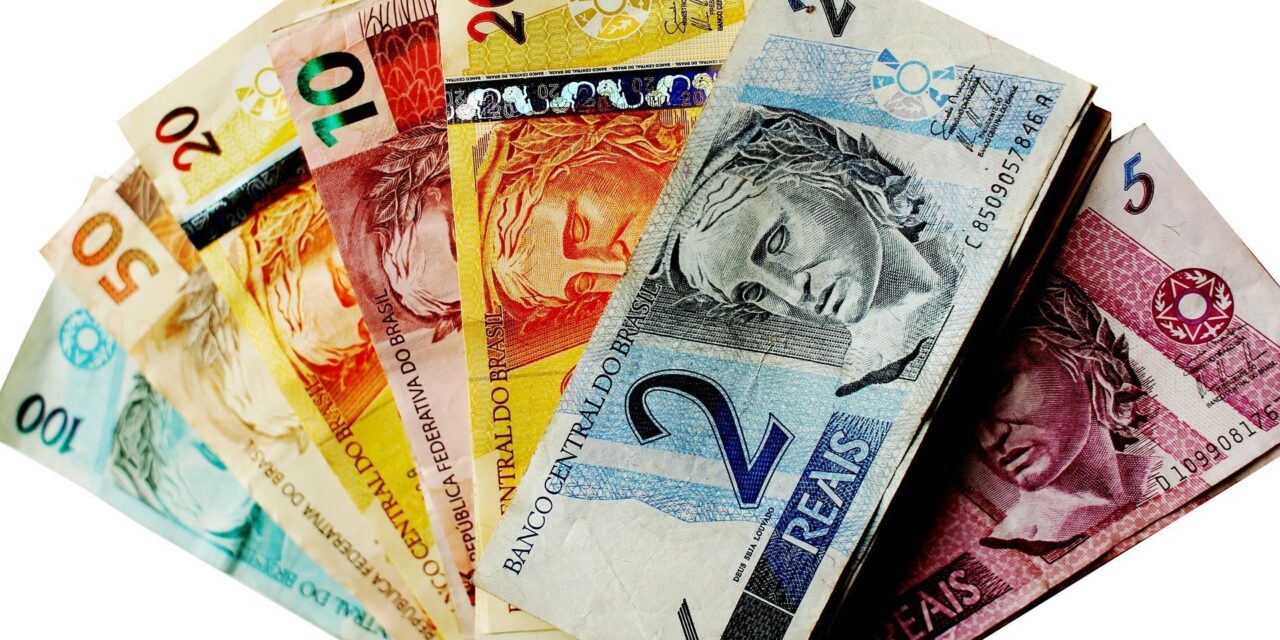
The Brazilian real (BRL) is the official currency of Brazil and one of the country’s most significant economic symbols. Introduced in 1994 as part of a major monetary reform, the real helped stabilize Brazil’s economy after decades of inflation and several currency changes.
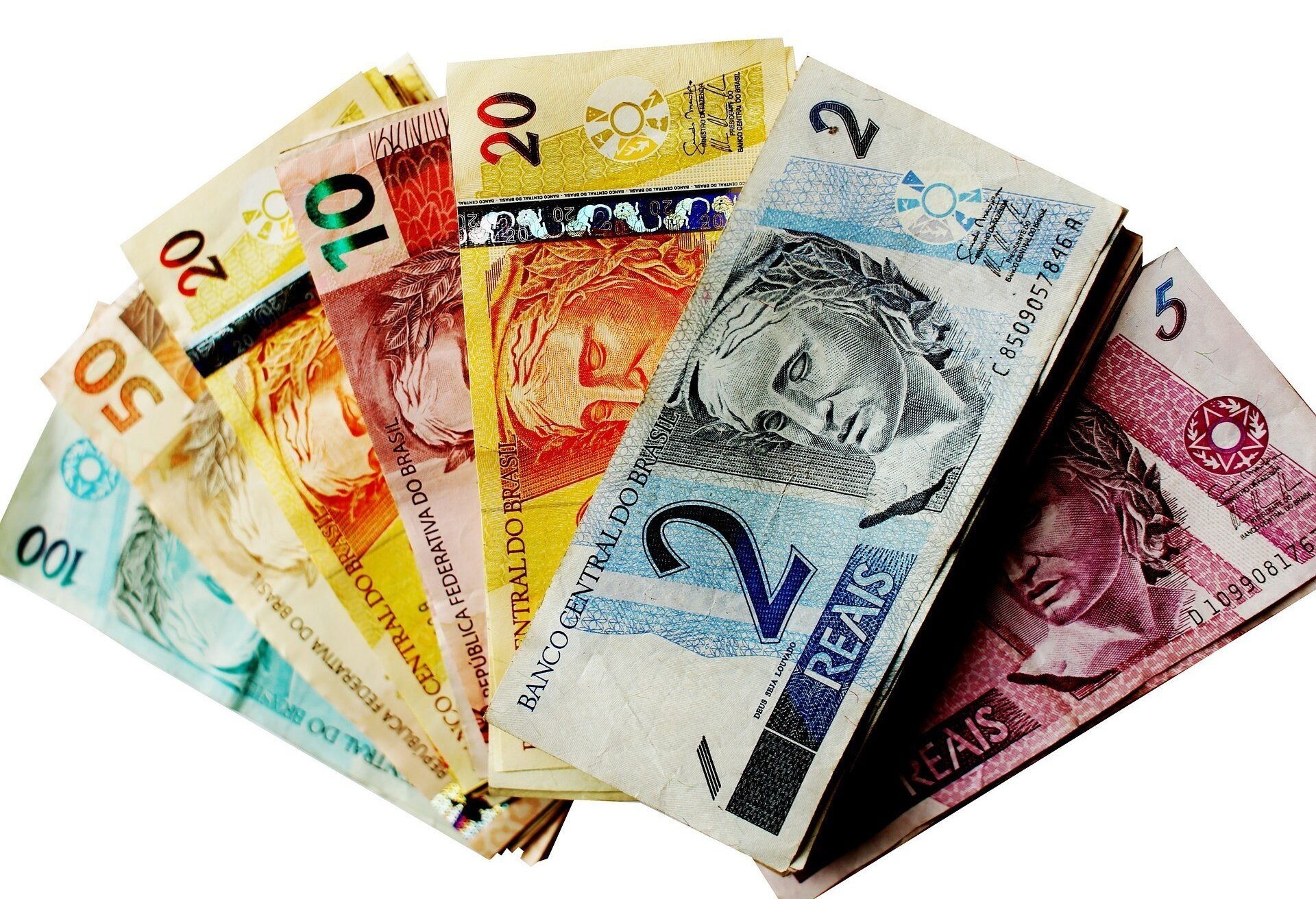
Brazil adopted several different currencies throughout its history due to periods of inflation and economic instability.
The Brazilian real (BRL) is the official currency of Brazil and is represented by the symbol R$. Today, it serves as the country’s standard monetary unit and plays a central role in Brazil’s economy.
Although the current real was introduced in 1994, the name has a much longer history. The term “real” was first officially used in 1654, during the Dutch occupation of part of what is now Brazil. Over the centuries, however, the country adopted several different currencies as it faced periods of economic instability and inflation.
The Evolution of Brazil’s Currency
From the mid-17th century until 1942, the real—then commonly referred to as “réis,” the plural form of the currency—served as Brazil’s primary monetary unit.
In 1942, a monetary reform replaced the real with the cruzeiro, which was divided into 100 centavos and remained in circulation until 1986.
That year, Brazil introduced the cruzado, replacing the cruzeiro at a conversion rate of 1,000 cruzeiros for one cruzado. Like its predecessor, the cruzado was also divided into 100 centavos and remained in use until 1989.
From Cruzeiro Back to the Real
Between March 1990 and July 1993, during the administration of President Fernando Collor, the cruzeiro returned as Brazil’s official currency, maintaining parity with the previous monetary standard, the novo cruzado.
Following a transitional period with the cruzeiro real, Brazil implemented another monetary reform that ultimately introduced the modern Brazilian real (R$).
The Real Plan and Economic Stability
The current Brazilian real officially entered circulation on July 1, 1994, during the presidency of Itamar Franco.
The currency was introduced as part of the Plano Real (Real Plan), an economic stabilization program designed to control hyperinflation and restore confidence in Brazil’s economy.
The initiative was led by then-Minister of Finance Fernando Henrique Cardoso, who would later be elected President of Brazil. The success of the Real Plan marked one of the country’s most significant economic reforms, establishing a more stable national currency that remains in use today.
Brazilian Coins and Banknotes
The Brazilian real is divided into 100 centavos.
According to the original currency structure, Brazil currently uses:
- Coins: 1, 5, 10, 25 and 50 centavos, plus the 1 real coin.
- Banknotes: 2, 5, 10, 20, 50 and 100 reais.
(Note: Brazil’s current currency family has expanded since the publication of the original article to include additional banknote denominations.)
Why the Brazilian Real Matters
The Brazilian real represents much more than a means of payment. It symbolizes one of the country’s most important economic transformations, helping Brazil overcome decades of inflation and monetary instability.
Today, the BRL remains one of Latin America’s most widely traded currencies and continues to play a vital role in Brazil’s domestic economy and international financial markets.
In line with this commitment to financial awareness, Soul Brasil is dedicated to keeping its readers informed about the U.S. dollar exchange rate and the latest developments in the global economy. Visit our “De olho no dólar” page for valuable insights and market analysis to help you make more informed financial decisions.
Frequently Asked Questions (FAQ)
What is the Brazilian real?
The Brazilian real (BRL) is Brazil’s official currency and has been in circulation since July 1, 1994.
Why did Brazil change its currency so many times?
Brazil experienced long periods of inflation and economic instability throughout the 20th century, leading to multiple monetary reforms and new currencies.
What was the Real Plan?
The Real Plan (Plano Real) was an economic stabilization program launched in 1994 to reduce hyperinflation and establish a stable national currency.
Who introduced the Brazilian real?
The real was introduced during the administration of President Itamar Franco as part of the Real Plan, developed under Finance Minister Fernando Henrique Cardoso.
What does BRL stand for?
BRL is the international currency code (ISO 4217) for the Brazilian real.