Bahia’s Cocoa Coast stretches through one of Brazil’s most beautiful tropical regions, connecting Ilhéus, Itacaré, Olivença, Una and Canavieiras. Visitors will find Atlantic Forest, waterfalls, mangroves, cocoa farms, surfing beaches and a rich Afro-Brazilian and Indigenous cultural heritage.
By Lindenberg Junior | Translation: Paul Betterman

Bahia’s Cocoa Coast brings together Atlantic Forest, tropical beaches, waterfalls, cocoa farms and centuries of cultural history
The Brazilian Cocoa Coast is said to be blessed by God and Nature. Located in the state of Bahia between the cities of Itacaré and Ilhéus, approximately 287 miles south of Salvador, the region offers a remarkable combination of ecological sanctuaries, waterfalls, mangroves, cocoa farms and palm-lined beaches.
The Atlantic coastal forest is clearly a work of nature and is partly preserved with the help of cocoa cultivation. Here, it is possible to walk along the edge of the forest, beside a river and close to the ocean – a rare combination that makes Bahia’s Cocoa Coast one of Brazil’s most distinctive nature destinations.
Cocoa, Atlantic Forest and the History of Ilhéus
The Boa Esperança Forest, which means “Good Hope,” and the Rio do Engenho, or Mill River, are home to a wide variety of plants native to the region. The area features large trees and well-established ecological trails surrounded by tropical vegetation.
This region is responsible for 90% of Brazil’s cocoa exports. Cocoa is used not only to produce chocolate, but also several other by-products, including juices, jellies, liquor and cocoa butter.
The peak of cocoa culture also created countless stories about the region’s cocoa colonies, including power struggles involving land, women and money. These stories remain part of the cultural memory of Ilhéus and are still retold at Vesúvio Bar in the city.
Itacaré: Atlantic Forest, Beaches and Waterfalls
Itacaré is a perfect destination for nature lovers. Protected by a large belt of Atlantic Forest, the area has 28 streams flowing into the Atlantic Ocean. One of the most remarkable characteristics of its beaches is the presence of fresh water in the form of natural pools and waterfalls close to the sea.
Itacaré has approximately 20,000 inhabitants and is surrounded by an ecological landscape that includes virgin forests, sandbanks and mangroves. The coastal highway, Route BA-100, connects Itacaré and Ilhéus and is considered an ideal ecological highway in Brazil.
The combination of Atlantic Forest, tropical beaches, waterfalls and outdoor activities has helped make Itacaré one of the most distinctive nature destinations on the Bahia coast.
Olivença: Mineral Springs and Surfing Beaches
Olivença is best known for its hydro-mineral spring pools with medicinal water and is the only destination of its kind located directly on the edge of the ocean in Brazil.
The hot springs are regarded as sources of natural medicine. Their waters are traditionally associated with revitalizing the body, moisturizing, invigorating and rejuvenating the skin, as well as helping to produce a natural tan. They are also highly recommended for skin problems.
These mineral waters contain iron, salt, magnesium, iodine and bicarbonate, along with levels of radioactivity associated with sugar cane from the Atlantic Forest. Their composition has been compared to Vichy mineral water in France.
Olivença is also a surfer’s paradise. Beaches such as Batuba and Backdoor host sporting tournaments during the Brazilian summer months of December, January and February, along with Afro-Brazilian dance lessons and Axé music concerts.
Una and Ilha de Comandatuba: Biodiversity and Cultural Traditions
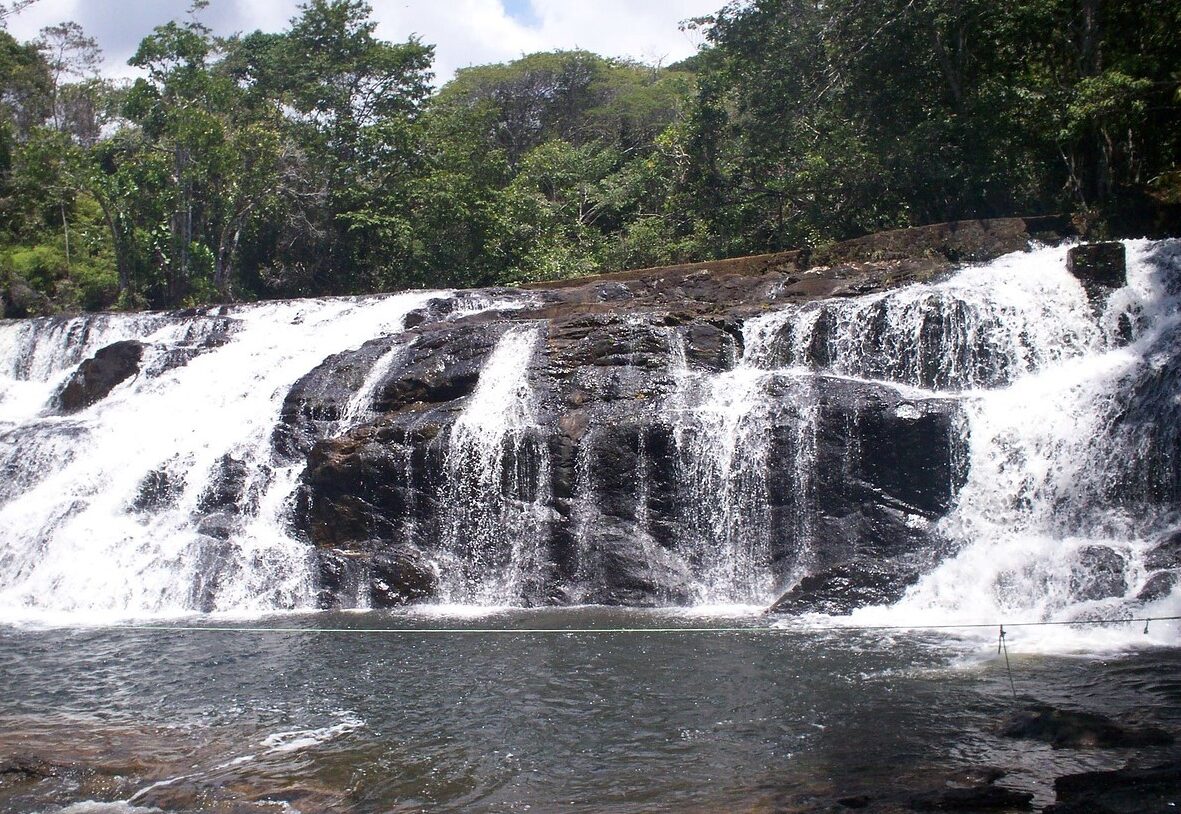
Itacaré is surrounded by Atlantic Forest, with 28 streams flowing toward the Atlantic Ocean and freshwater pools and waterfalls near its beaches
Una is home to the Una Biological Reserve, an integral protection conservation unit administered by Brazil’s Federal Government. Scientists and environmentalists consider Una one of the most important areas on the planet for environmental conservation because of the large number of animal species and varieties of vegetation found in the region.
An ecotourism park was inaugurated along the banks of Rio Maruim, an emblematic area of the Biological Reserve. One of its main attractions is an elevated treetop walkway extending approximately 820 feet. For more curious travelers, visiting the region’s cocoa farms is a must.
Visitors can also discover plantations of rubber, palm oil, malagueta pepper, carnation and banana, providing a broader look at the agricultural traditions of Southern Bahia. Another distinctive characteristic of Una is its strong cultural tradition, represented by ceremonial gatherings such as the “Cordão de Caboclos,” which can be translated as the string of civilized, pure-blooded Indigenous people.
The tradition combines elements of Afro-Brazilian Candomblé with Indigenous dances, highlighting the complex cultural heritage of the region.
Surfing in Itacaré and Olivença
Itacarezinho, or “Little Itacaré,” hosts the EcoSurf championship at different times of the year. Its geographic position encourages the formation of powerful, high-quality waves, including some of the biggest waves in Bahia, with remarkable swells that attract surfers to the region.
At Backdoor Beach in Olivença, surfers can find a point break considered one of the longest straight runs and one of the preferred surfing spots in the area. The location also ranks highly among famous Brazilian surfers, including two-time Brazilian champion Jojó de Olivença.
For surfers traveling through Brazil, the combination of Itacaré, Itacarezinho and Olivença makes Bahia’s Cocoa Coast an especially attractive destination.
Fishing Along Bahia’s Cocoa Coast
Fishing is another important part of life and tourism along the Cocoa Coast. Opportunities range from ocean fishing to river fishing throughout the region.
In Itacaré and surrounding areas, fishing can be enjoyed in several natural environments. The Pardo River and Comandatuba offer both ocean and river fishing, while Ilhéus provides options including Lagoa Encantada, or Enchanted Lake, and the Itaipe River.
Canavieiras: A Destination for Sport Fishing
Located south of Ilhéus, Canavieiras is known as the biggest fishing ground for consumable fish in Brazil. Its coastline is also considered the largest nursery of blue marlin in the world, attracting sport fishermen from around the globe.
Combined with the fishing opportunities available in Itacaré, Comandatuba and Ilhéus, Canavieiras strengthens the Cocoa Coast’s reputation as an important destination for anglers and outdoor enthusiasts.
Why Visit Bahia’s Cocoa Coast?
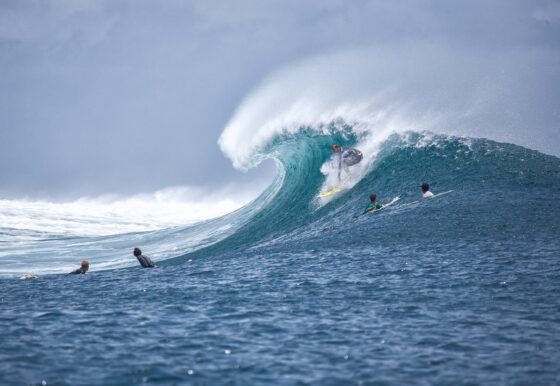
From Itacarezinho to Olivença, Bahia’s Cocoa Coast offers some of the region’s most remarkable surfing conditions and Atlantic swells
Bahia’s Cocoa Coast combines several different travel experiences within the same region. Travelers can explore Atlantic Forest reserves, swim near waterfalls and natural pools, visit cocoa farms, experience Afro-Brazilian and Indigenous traditions, surf some of Bahia’s most famous waves or explore rivers and coastal waters through fishing.
Ilhéus and Itacaré serve as two of the region’s most recognizable destinations, but Olivença, Una, Ilha de Comandatuba and Canavieiras reveal even more of the ecological and cultural diversity of Southern Bahia.
For Brazilians living in the United States, the Cocoa Coast also offers an opportunity to reconnect with a part of Brazil where nature, history, food, agriculture and Bahian culture remain deeply interconnected.
* For airline tickets from the U.S to Brazil or Latin America, customized travel packages, hotels and cruises, please visit our travel agent page or contact Magali Da Silva by phone or whatsapp: 1 (323) 428-1963.
FAQ – Frequently Asked Questions
Where is Bahia’s Cocoa Coast?
Bahia’s Cocoa Coast is located in Southern Bahia, along the Brazilian Atlantic coast. The region includes destinations such as Ilhéus, Itacaré, Olivença, Una, Ilha de Comandatuba and Canavieiras, approximately 287 miles south of Salvador.
What is Bahia’s Cocoa Coast famous for?
The region is known for cocoa farms, Atlantic Forest, tropical beaches, waterfalls, mangroves, surfing, fishing and strong Afro-Brazilian and Indigenous cultural traditions.
Is Itacaré worth visiting?
Yes. Itacaré is especially attractive for travelers interested in nature, beaches, surfing and ecotourism. The area is surrounded by Atlantic Forest and has numerous streams, waterfalls, natural pools, mangroves and beaches.
Can tourists visit cocoa farms in Bahia?
Yes. Visiting cocoa farms is one of the characteristic experiences of the Cocoa Coast. Travelers can learn more about cocoa cultivation while also seeing other regional crops such as rubber, palm oil, malagueta pepper, carnation and banana.
Where can visitors surf on Bahia’s Cocoa Coast?
Itacaré, Itacarezinho and Olivença are among the main surfing destinations in the region. Itacarezinho is known for large swells, while Backdoor Beach in Olivença is recognized for its point break and long rides.