Empathy is more than understanding another person’s feelings—it is a powerful skill that can reduce stress, anxiety, and depression while strengthening relationships. Research shows that helping others also benefits our own emotional and mental well-being.
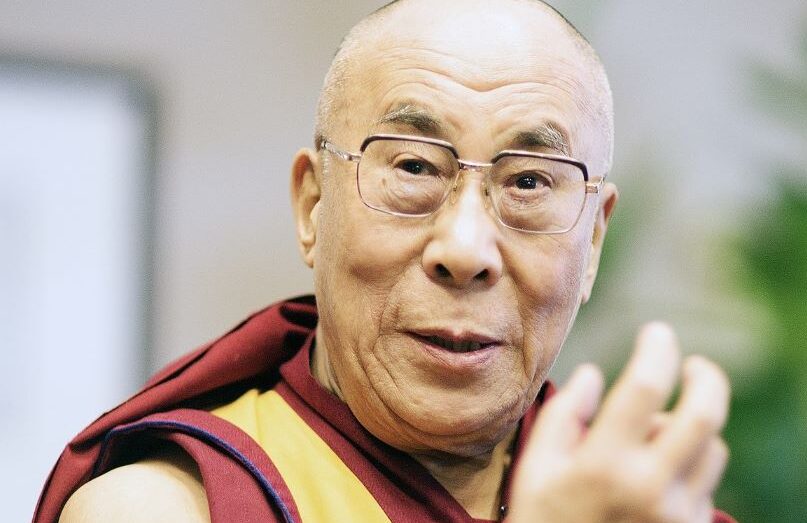
Developing empathy helps reduce stress, anxiety, and depression because understanding and helping others also improves
Modern life often exposes us to constant pressure, deadlines, and emotional challenges. While stress has become a common part of everyday life, developing empathy may be one of the most effective ways to reduce anxiety, improve mental health, and build stronger human connections.
Empathy allows us to understand the emotions of others while encouraging acts of kindness and support that benefit everyone involved—including ourselves.
ㅤ
Why Stress Should Never Be Ignored
Over the years, we’ve discussed stress from many different perspectives and why it deserves serious attention.
In many situations, stress can have significant consequences for both physical and mental health. In fact, it is estimated that more than 75% of emergency room visits in the United States are related to stress.
The next time someone says, “Stress is killing me,” it may be more than just an expression—it could be a warning sign.
For countless reasons, reducing stress and making relaxation a priority can improve your quality of life.
One effective way to begin is by developing greater empathy.
What Is Empathy?
Empathy is the ability to place yourself in another person’s emotional experience and genuinely understand how they feel.
However, true empathy goes beyond recognizing emotions.
It also involves responding in a caring and helpful way.
Empathy in Everyday Life
Imagine that a coworker is overwhelmed with an enormous workload.
She’s stressed and struggling to meet an important deadline.
Instead of ignoring the situation, you acknowledge her efforts and say:
“You’ve been doing an excellent job, and I know how hard you’ve been working. I honestly don’t know how anyone could finish all of this alone.”
That simple statement recognizes her emotional state while offering encouragement.
The next step is even more meaningful.
Offer your help.
By assisting with some of her responsibilities, you not only reduce her stress—you also improve your own emotional well-being.
Research shows that helping others can decrease stress, anxiety, and even symptoms of depression.
Helping Others Helps You Too
When we recognize that someone is experiencing emotional distress, our natural instinct is often to help.
At the same time, our minds also recognize that we are not personally facing the same challenge.
This perspective helps us regulate our own emotions while strengthening compassion toward others.
Acts of empathy create a positive emotional cycle that benefits both the person receiving support and the person offering it.
Empathy Reduces Prejudice and Strengthens Relationships
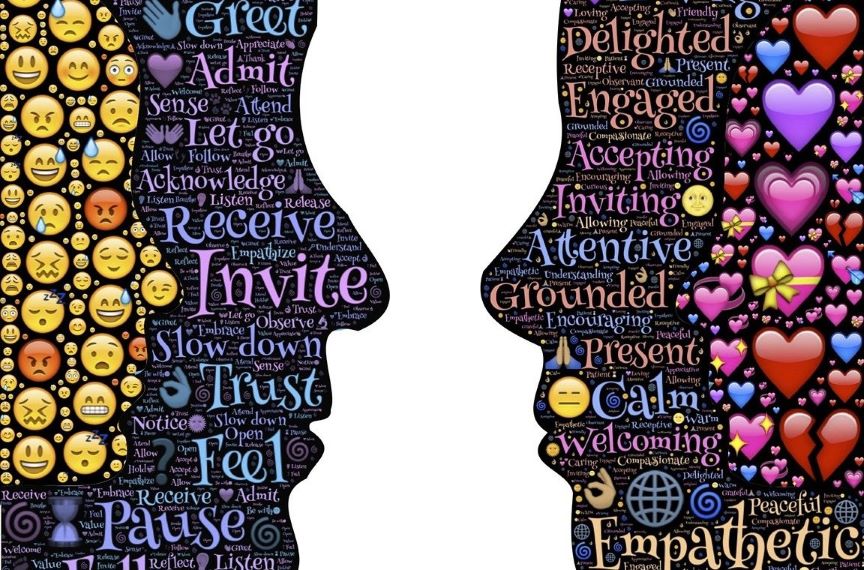
Empathy strengthens human relationships, reduces prejudice, and contributes to teamwork and overall happiness
Empathy also helps us look beyond differences.
It reduces prejudice, bias, and negative judgments that can trigger emotional stress and social conflict.
By understanding another person’s perspective, we become more open, compassionate, and accepting.
As a result, empathy strengthens friendships, improves family relationships, enhances teamwork, and contributes to greater happiness both personally and professionally.
Learning Emotional Intelligence
Studies show that empathetic people become better at recognizing and processing their own emotions because they learn to identify emotions in others.
Developing empathy not only improves emotional intelligence but also contributes to lower stress levels, greater peace of mind, and healthier relationships.
The Human Advantage
One of humanity’s greatest strengths has always been our ability to work together.
We achieved this not simply because we learned to understand what others were saying, but because we developed the remarkable ability to understand what others were feeling.
That ability is empathy.
Its benefits are well documented—and its impact on our mental health, relationships, and communities continues to be profound.
Frequently Asked Questions (FAQ)
What is empathy?
Empathy is the ability to understand another person’s emotions and respond with compassion, support, and understanding.
Can empathy reduce stress?
Yes. Research suggests that acts of empathy and helping others can lower stress levels, reduce anxiety, and improve emotional well-being.
How does empathy improve mental health?
Empathy strengthens emotional intelligence, promotes meaningful relationships, reduces feelings of isolation, and encourages positive emotional regulation.
Can empathy improve workplace relationships?
Absolutely. Empathy improves communication, teamwork, trust, productivity, and creates healthier work environments.
Is empathy something people can learn?
Yes. Empathy is a skill that can be developed through active listening, emotional awareness, compassion, and consistent practice.