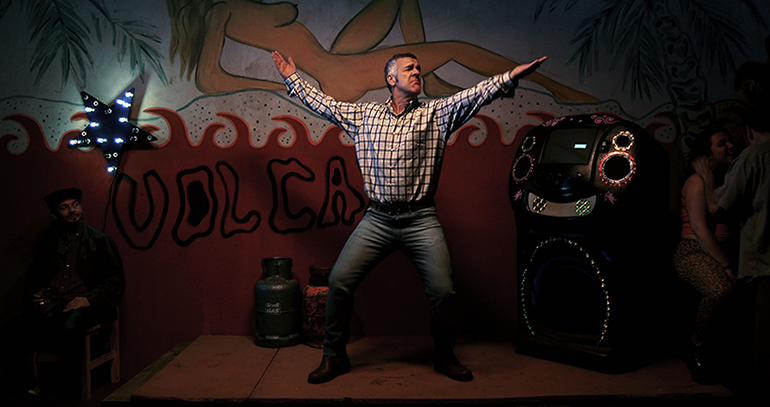
Brazilian Portuguese developed from European Portuguese but was profoundly shaped by Indigenous, African and European languages throughout Brazil’s history. Words, expressions, place names and regional accents reveal this multicultural evolution. Today, Brazilian Portuguese continues to change through contact with other languages, including English, particularly among Brazilians living in the United States.
By Lindenberg Junior | Translation: Leandro Saueia
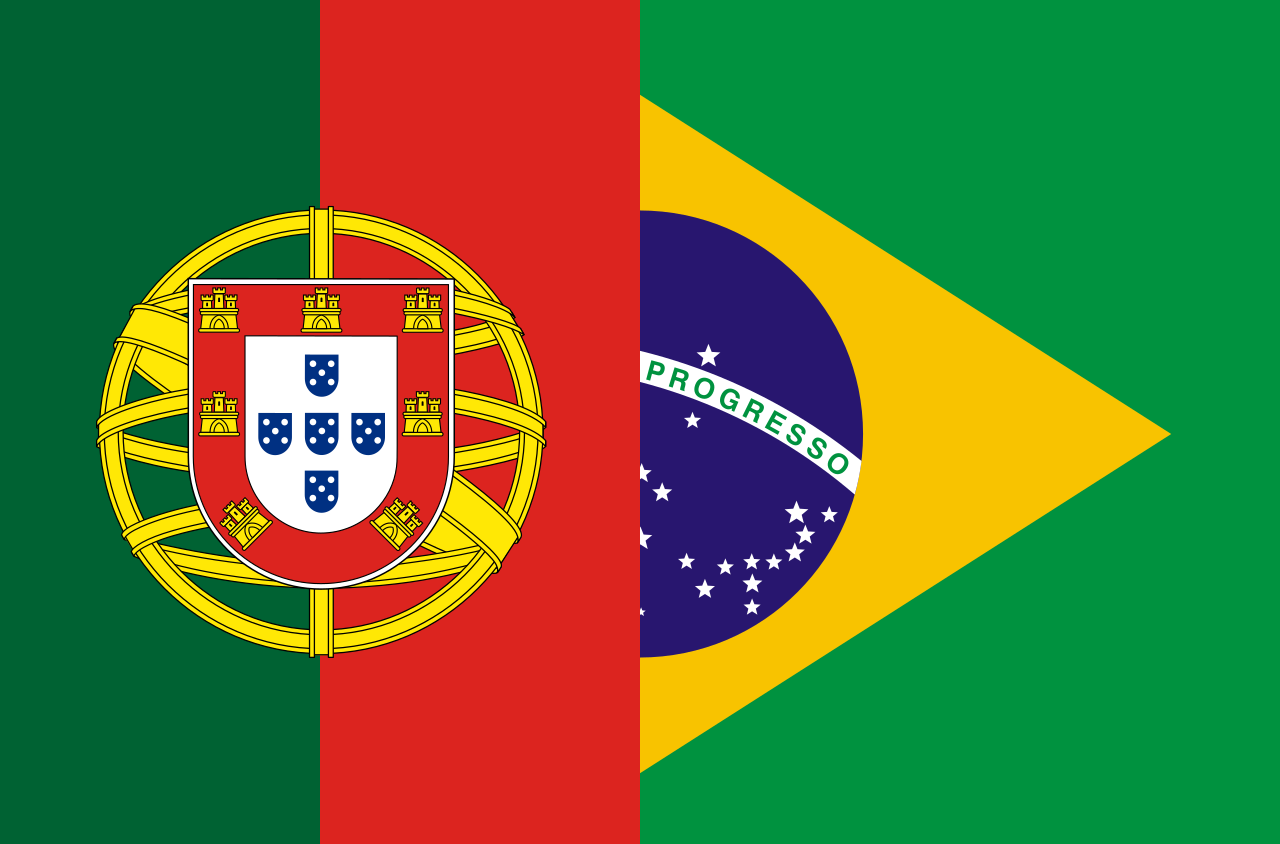
European immigration helped create regional differences in Brazilian Portuguese.
Just like Spanish, Italian and French, Portuguese is a Romance language derived from Latin. Most Brazilians are not aware of the history of their language and its relationship with the many other languages spoken in the country before the arrival of the Portuguese explorer Pedro Álvares Cabral, as well as the languages that influenced Brazil during and after colonization.
Portuguese is the official language of Brazil and one of the world’s most widely spoken languages. According to historical accounts, when the Portuguese arrived in what is now Brazil, more than a thousand Indigenous languages were spoken by different ethnic groups.
The history of Brazilian Portuguese is therefore not simply the history of a European language transplanted to South America. It is the result of centuries of contact among Indigenous peoples, Portuguese colonizers, Africans brought to Brazil through the slave trade, European immigrants and, more recently, speakers of English and other languages.
A Little Bit of Brazilian History
Portuguese colonization started gradually along the coastline in 1532, when the capitanias were institutionalized. These were administrative divisions and hereditary territories of the Portuguese state in some of its colonies.
During this period, many communities of Tupi and Guarani peoples could be found along the coast, from Rio de Janeiro in the south to Pará in the north.
To establish communication with Indigenous peoples, the Portuguese began learning the languages and dialects spoken by them. From Tupinambá, spoken by groups that had more contact with the colonizers, a common language emerged for communication between Indigenous and European populations.
In 1595, Father José de Anchieta documented this language as one of the most widely spoken on the Brazilian coast. This general language, derived from Tupinambá, became one of the first major Indigenous influences on the Portuguese spoken in Brazil.
African Influence on Brazilian Portuguese
When sugar-cane cultivation expanded, Africans were forcibly brought to Brazil and concentrated in areas including the captaincies of São Vicente, Bahia and Pernambuco.
At the beginning of colonization, Portuguese gradually gained influence in Brazil. This process intensified during the 17th century.
Enslaved Africans learned Portuguese to communicate with their enslavers and also came into contact with the general Indigenous language that was widely spoken among settlers.
Historical records illustrate just how important this linguistic mixture was. According to a text written by Father Antônio Vieira in 1694, the language spoken by Portuguese families living in São Paulo was still an Indigenous language. Children from these families learned Portuguese at school.
Only during the second half of the 18th century did Portuguese become the dominant language.
The expansion into the interior by the bandeirantes, the discovery of gold and diamond mines and the resulting increase in Portuguese immigration contributed to this change.
On August 17, 1758, Portuguese was established as the official language through an act associated with the Marquis of Pombal, which also restricted the use of the general language.
A Mix of Cultures Shaped Brazilian Portuguese
By this stage, Portuguese had already changed, as all living languages naturally do over time.
It is important to point out that when Pombal’s decree was issued, Brazilian Portuguese speakers had already incorporated many Indigenous and African words into their vocabulary.
Many of these Indigenous terms refer to plants, fruits and animals. Examples include caatinga, caju, capim, capivara, carnaúba, cipó, cupim, curió, ipê, jabuticaba, jacarandá, mandacaru, mandioca (cassava), maracujá (passion fruit), piranha, tatu (armadillo) and the famous abacaxi (pineapple).
Indigenous Words in Brazilian Place Names
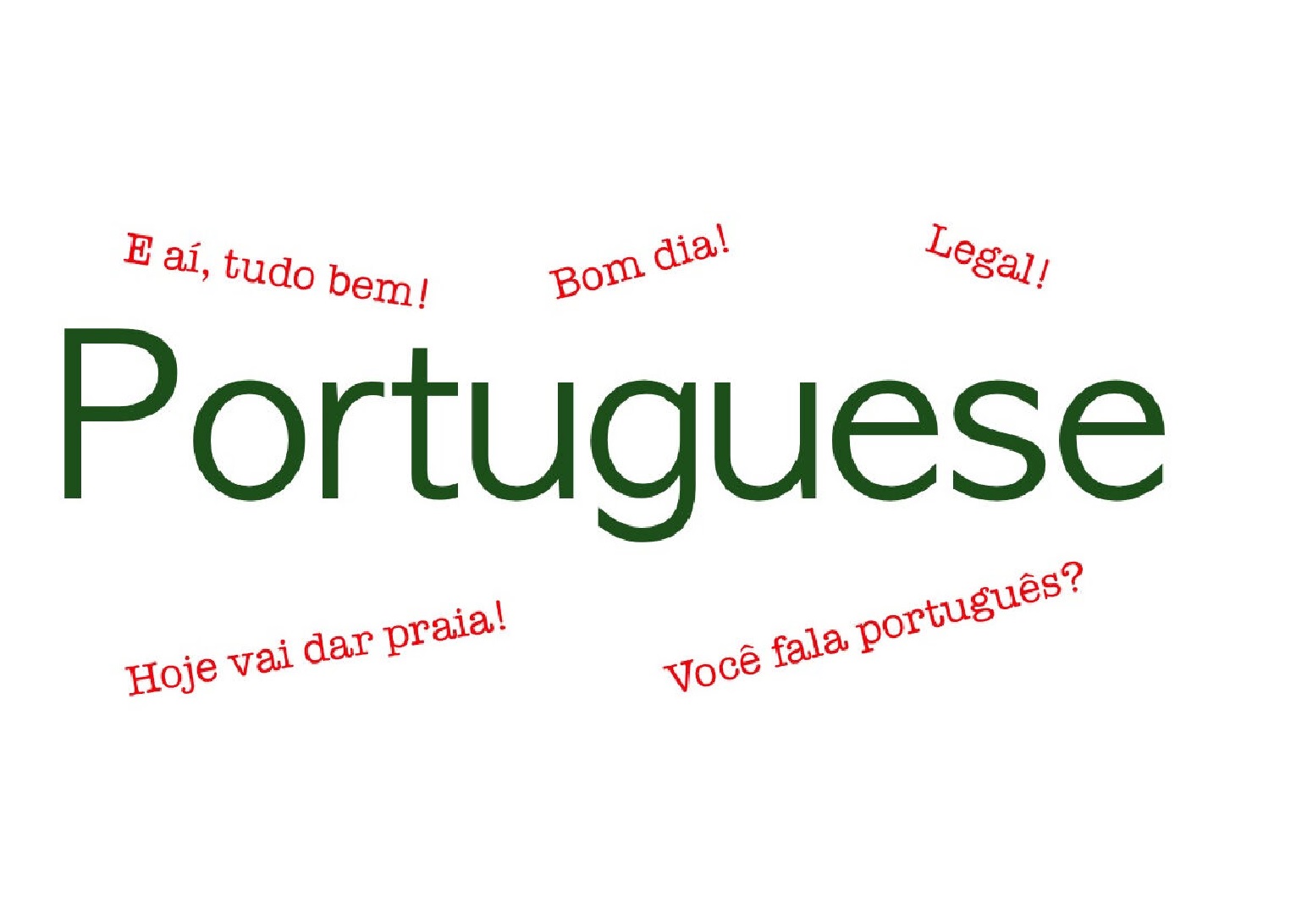
English continues to influence Brazilian Portuguese, especially among Brazilians living in the U.S.
Indigenous influence is also visible in the names of Brazilian cities and neighborhoods.
Examples include Aracaju, Avaí, Guanabara, Guaporé, Jabaquara, Jacarepaguá, Jundiaí, Parati, Piracicaba and Tijuca.
Indigenous languages also helped shape Brazilian slang and idiomatic expressions that remain in use.
One example is “andar na pindaíba,” an expression meaning something close to being penniless or experiencing financial difficulties.
African Languages and Brazilian Culture
The Bantu and Yoruba linguistic traditions left a profound legacy in Brazil, not only in language but also in music, cuisine, religion and everyday culture.
Afro-Brazilian cuisine includes foods such as quindim, abará, acarajé and vatapá.
Candomblé preserves traditions involving orixás such as Iemanjá, Oxum and Iansã, among many other elements of African religious heritage.
Kimbundu, a language spoken in Angola, also contributed words to Brazilian Portuguese, including caçula, meaning the youngest child, cafuné, and moleque.
Words connected to the lives, traditions and cultural expressions of enslaved Africans also became part of Brazilian vocabulary, including senzala, maxixe, ginga and samba.
This African influence remains one of the defining elements of Brazilian Portuguese and Brazilian culture.
European Immigration and Regional Brazilian Portuguese
After Brazilian Independence in 1822, the transatlantic slave trade declined and was abolished in Brazil in 1850.
From the late 19th century onward, large numbers of European immigrants arrived in Brazil, including Germans and Italians.
The contact between Brazilian Portuguese and these languages became another factor in the development of the many regional varieties of Portuguese spoken across Brazil today.
For example, Portuguese spoken in parts of the Northeast, particularly in states such as Pernambuco and Bahia, was strongly influenced by Indigenous and African languages and cultures.
In the South, particularly in Santa Catarina and Rio Grande do Sul, the Portuguese language developed in contact with communities of European immigrants, including Germans and Italians.
As a result, Brazilian Portuguese is not completely uniform across the country. Accents, vocabulary, pronunciation and expressions can vary considerably from one region to another.
Brazilian Portuguese in Literature
In the second half of the 19th century, authors associated with Romanticism sought to reflect a sense of Brasilidade — a way or “art form” of being Brazilian — that distinguished the country from its former colonizer.
This process continued at the beginning of the 20th century with the Modernists.
A good example of the first movement can be found in the books of José de Alencar, who used the exaltation of Indigenous figures and incorporated elements of Brazilian speech into literature.
For the second case, Mário de Andrade, one of Brazil’s most famous modernists, revisited the idea of recovering Brazil’s origins and constructing a national identity.
Literature therefore became another important space for reflecting the evolution of Brazilian Portuguese and the search for a distinct Brazilian cultural identity.
Brazilian Portuguese and Other Languages
Throughout the years, Brazilians have adopted expressions and vocabulary not only from Indigenous and African languages but also from Spanish, French, Italian and, more recently, English.
This process continues today.
Among Brazilians living in the United States, contact with English can produce new expressions and adaptations. The original article gives examples such as adapting the English verb “to park” into the Portuguese neologism “parkear”, or saying “vai rolar um party à noite”, using the English word “party” within a Portuguese sentence.
These examples illustrate how languages continue to evolve when communities live between different linguistic and cultural environments.
For Brazilians living in the U.S., this kind of linguistic exchange can be particularly visible in everyday conversations, especially among bilingual families and communities.
Brazilian Portuguese vs. European Portuguese
Regarding the Portuguese spoken in Portugal, the vocabulary is largely shared with Brazilian Portuguese, but there are noticeable differences in pronunciation, phonetics, vocabulary and everyday usage.
Brazilian Portuguese developed through a unique historical process involving Indigenous peoples, Africans, Portuguese colonization, European immigration and modern global influences.
That history helps explain why Brazilian Portuguese sounds and feels different from the Portuguese spoken in Portugal, even though both varieties share the same linguistic origin.
Portuguese as a Global Language
The original article also highlighted the international importance of Portuguese and its role in communication across Europe, South America, Africa and East Timor.
Portuguese is spoken across multiple continents and connects countries with diverse historical and cultural backgrounds.
The language also continues to evolve as international communication, migration, technology and globalization bring Portuguese speakers into greater contact with other languages.
For Brazilians living in the United States, Portuguese can also serve as an important connection to family, culture, heritage and Brazilian identity while English becomes part of daily life.
For a broader discussion of the international importance of Portuguese, we also recommends Why Portuguese Is the Language of Future Global Communication. The article discusses Portuguese as a global language and its relevance to business, communication and opportunities around the world.
Frequently Asked Questions – FAQ
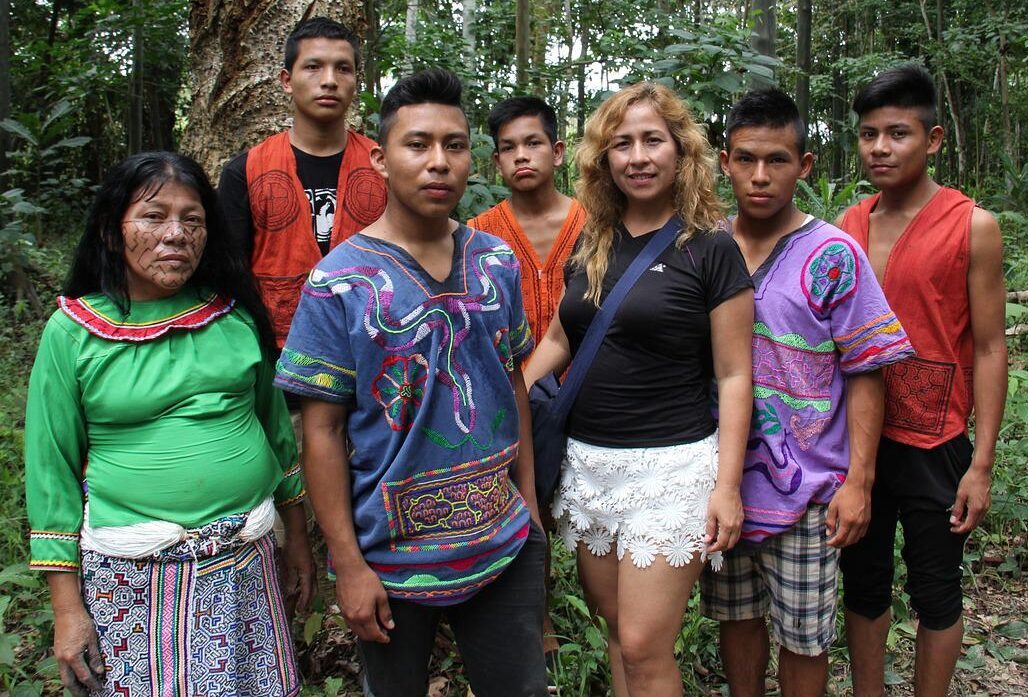
Brazilian Portuguese was shaped by Indigenous, African and European languages.
1. Where did Brazilian Portuguese come from?
Brazilian Portuguese originated from European Portuguese but developed differently through centuries of contact with Indigenous languages, African languages, European immigrant languages and, more recently, English and other international languages.
2. How did Indigenous languages influence Brazilian Portuguese?
Indigenous languages, especially Tupinambá, contributed vocabulary for plants, animals, fruits, places and everyday expressions. Words such as caju, mandioca, maracujá, capivara, abacaxi and caatinga remain part of Brazilian Portuguese.
3. How did African languages influence Portuguese in Brazil?
African languages, particularly Bantu and Yoruba-related linguistic traditions, contributed vocabulary and cultural expressions connected to food, religion, music and everyday life. Words such as caçula, cafuné and moleque are examples.
4. Why are there so many different accents in Brazil?
Brazilian Portuguese developed through contact with different Indigenous, African and European populations across a very large territory. Regional migration and immigration contributed to differences in pronunciation, vocabulary, expressions and accents.
5. Is Brazilian Portuguese different from the Portuguese spoken in Portugal?
Yes. Brazilian and European Portuguese share the same linguistic origin and much of their vocabulary, but they differ in pronunciation, phonetics, vocabulary, grammar usage and everyday expressions.