Learning Portuguese in 2026 is a strategic global decision that goes far beyond Brazil. As the 7th most spoken language in the world, Portuguese connects cultures across four continents and reflects centuries of Indigenous, African, and European influence. Understanding the language means accessing Brazil’s history, creativity, and growing global relevance. In an increasingly interconnected world, Portuguese serves as a powerful bridge between cultures, economies, and ideas.
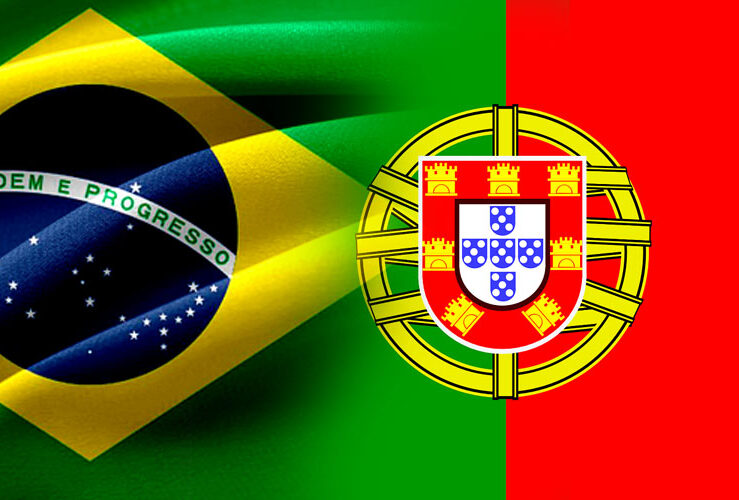
Portuguese is the 7th most spoken language in the world, connecting people across four continents.
You may already know that Portuguese is the official language of Brazil. What many people don’t realize, however, is that Portuguese is the 7th most spoken language in the world and the 3rd most spoken in Europe. Spoken across four continents, it connects diverse cultures, economies, and histories in a way few languages do.
As a Romance language derived from Latin, Portuguese shares similarities with Spanish, Italian, and French—making it more accessible for English speakers familiar with those languages. But in Brazil, Portuguese is far more than a linguistic system. It is a living archive of Indigenous heritage, African resilience, European migration, and modern globalization.
Understanding Portuguese means understanding Brazil—and, increasingly, the global South.
A Rich Linguistic History
Before Portuguese explorer Pedro Álvares Cabral arrived in 1500, what is now Brazil was home to more than 1,000 Indigenous languages, spoken by dozens of ethnic groups. These languages shaped not only communication, but worldview, social organization, and the relationship with nature.
Portuguese only became dominant in the 18th century, after the Pombaline Reforms mandated its official use. By then, however, Brazilian Portuguese had already absorbed countless Indigenous words—especially terms related to nature, geography, and daily life.
Indigenous Words Still Used Today
Fruits & Flora
caju (cashew)
jabuticaba
maracujá (passion fruit)
abacaxi (pineapple)
Fauna
capivara (capybara)
piranha
curió
Landscapes & Nature
caatinga
mandacaru
jacarandá
Even many Brazilian city and neighborhood names come from Indigenous languages, including Tijuca, Jabaquara, Piracicaba, and Guanabara.
These influences also shaped Brazilian idioms still widely used today, such as:
“Andar na pindaíba” – to be broke or struggling financially
“Estar de tocaia” – to lie in wait or observe discreetly
Language, in Brazil, carries memory.
African Influence on Language and Culture
Between the 16th and 19th centuries, millions of Africans—primarily speakers of Bantu and Yoruba languages—were forcibly brought to Brazil through the transatlantic slave trade. Despite brutal oppression, African cultures deeply shaped Brazilian society.
This influence is visible across religion, music, cuisine, and everyday speech.
African Contributions to Brazilian Portuguese
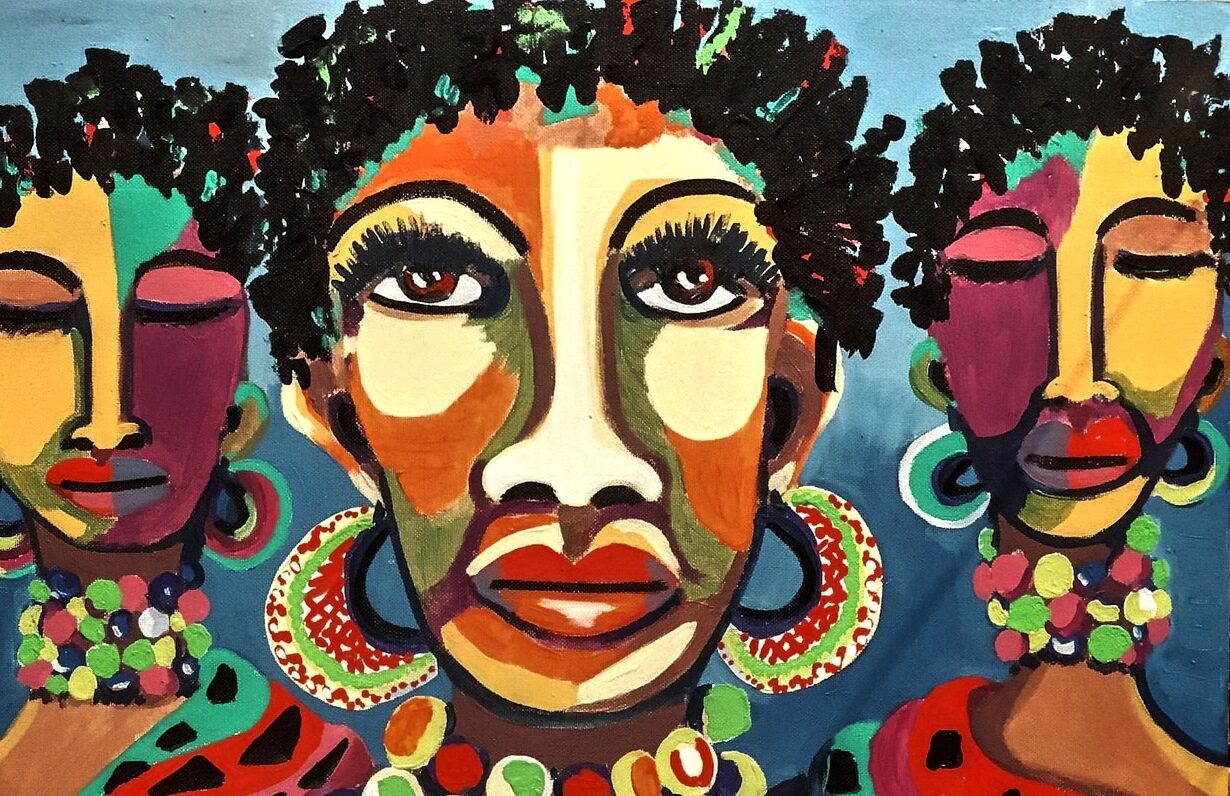
Portuguese in Brazil was shaped by centuries of Indigenous, African, and European influence.
Religion
Candomblé and Umbanda
Deities known as Orixás, such as Yemanjá, Oxum, and Iansã
Cuisine
acarajé
vatapá
quindim
Everyday Vocabulary
caçula (youngest child)
cafuné (a tender head caress)
moleque (kid)
Other terms like senzala, capoeira, and maxixe reflect histories of resistance, creativity, and survival within enslaved communities. Brazilian Portuguese is inseparable from Afro-Brazilian identity.
European Immigration and Modern Global Influences
After Brazil’s independence in 1822, the country received large waves of European immigrants, particularly Italians and Germans. These communities settled mainly in southern states such as Rio Grande do Sul and Santa Catarina, leaving lasting marks on pronunciation, vocabulary, and regional identity.
In the 20th and 21st centuries, English became another powerful influence. Through globalization, technology, cinema, and social media, English words entered everyday Brazilian speech—especially in urban areas.
Common examples include:
fitness
online
happy hour
delivery
Black Friday
Halloween
This hybrid vocabulary reflects Brazil’s role as a global cultural and economic player.
Brazilian Portuguese vs. European Portuguese
Although Brazilian and European Portuguese share the same grammatical structure and writing system, they sound noticeably different.
Brazilian Portuguese tends to be more open, melodic, and rhythmical
European Portuguese is often more compressed and consonant-heavy
Despite these differences, speakers understand each other with relative ease. Portuguese remains a unifying language across Portugal, Brazil, Angola, Mozambique, Cape Verde, East Timor, and Macau—making it one of the most geographically diverse languages in the world.
Why Portuguese Matters in 2026
Portuguese is no longer a “regional” language. In 2026, it is increasingly relevant for:
International business and trade
Tourism and hospitality
Academic research and diplomacy
Cultural exchange and creative industries
Brazil alone represents one of the world’s largest populations and most influential cultural markets. Learning Portuguese connects you not only to Brazil, but to a global network spanning Europe, Africa, Asia, and the Americas.
In a world seeking deeper cross-cultural understanding, Portuguese is a strategic bridge.
Frequently Asked Questions (FAQ)

Learning Portuguese creates opportunities in business, tourism, and diplomacy.
What is the origin of the Portuguese language in Brazil?
Portuguese was introduced to Brazil by Portuguese explorers in 1500. It became the official language after colonization, gradually integrating indigenous and African words and expressions.
How many people speak Portuguese around the world?
As of 2026, more than 265 million people speak Portuguese globally, making it the 7th most spoken language in the world.
How is Brazilian Portuguese different from European Portuguese?
While both versions share grammar and spelling rules, Brazilian Portuguese has a more open, melodic pronunciation and includes many indigenous, African, and English-derived words.
What indigenous languages influenced Brazilian Portuguese?
Languages such as Tupinambá, spoken by native Brazilians, contributed words like abacaxi (pineapple), caju (cashew), and mandacaru (a type of cactus), as well as idiomatic expressions.
How did African cultures influence Brazilian Portuguese?
African groups, especially from Bantu and Yoruba origins, brought words like cafuné, caçula, and senzala. Their influence is also seen in Brazilian religions (Candomblé), music (samba, frevo), and cuisine.
Are there regional differences in how Portuguese is spoken in Brazil?
Yes. For example, northeastern states show strong indigenous and African influence, while southern states reflect Italian and German immigration through accent and vocabulary.
What are some English words now common in Brazilian Portuguese?
Due to globalization, terms like fitness, online, happy hour, Black Friday, and delivery are commonly used, especially in urban areas.
Why should I learn Portuguese in 2026?
Learning Portuguese opens doors to business, travel, and cultural opportunities across Brazil, Portugal, Angola, Mozambique, and beyond. Brazil’s global influence continues to grow, making Portuguese a valuable global language.