The World Social Forum in Porto Alegre, Brazil, brought together more than 155,000 participants from around the globe to discuss social justice, environmental sustainability, economic alternatives, and human rights. More than a conference, it became a living experiment in solidarity, community engagement, and grassroots action for a better future.
By Monique Mizrahi

More than 155,000 people gathered in Porto Alegre believing that another world is possible
While the World Social Forum (WSF) is often remembered for its colorful atmosphere of peace, music, and cultural exchange, it also represents a serious and informed search for alternatives to neoliberal economic policies, inequality, and violence.
The first thing that caught my attention in Porto Alegre was the incredible diversity of messages displayed on participants’ T-shirts. More than 155,000 people attended the fifth annual gathering, united by a shared belief that “another world is possible.”
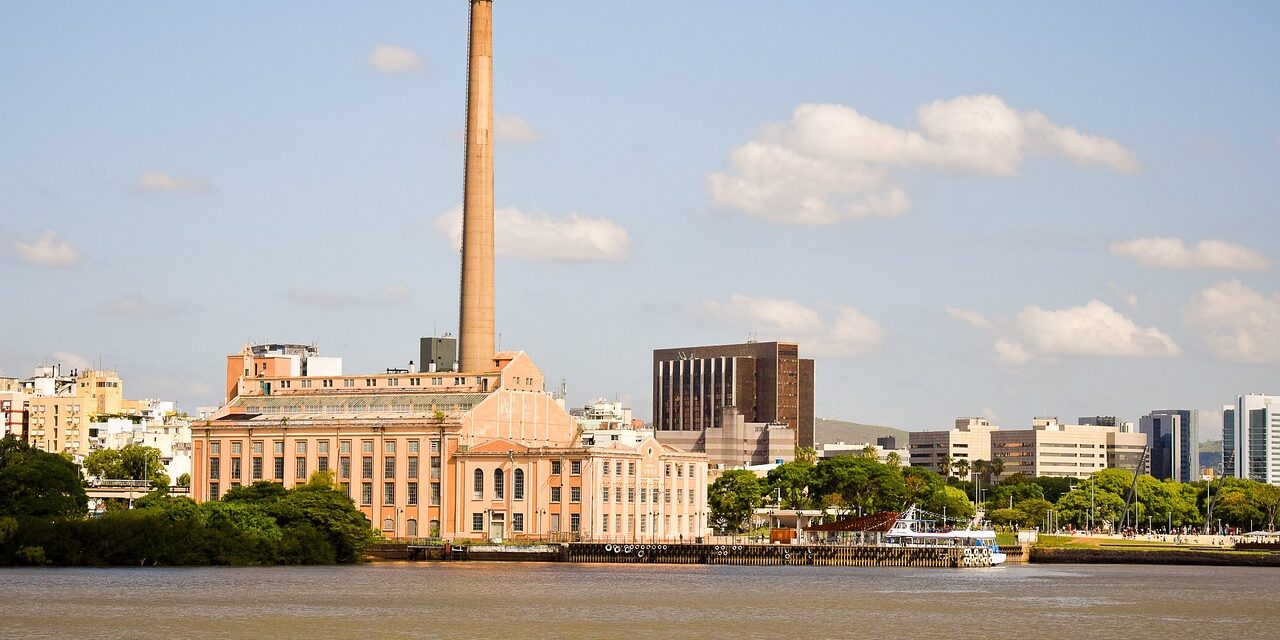
Between January 26 and January 31, conferences, seminars, and debates took place across eleven thematic areas along the banks of the Guaíba River. Participants spent their days moving from one event to another throughout the extensive “WSF Territory,” while evenings featured music performances, documentaries, films, meditation sessions, dancing, and celebrations of global solidarity.
Porto Alegre: Brazil’s Green and Welcoming Host City
Porto Alegre once again became the social capital of the world.
As the capital of Rio Grande do Sul, bordering Uruguay and Argentina, the city provided an ideal setting for the forum. Visitors experienced authentic Brazilian traditions, including churrasco, cachaça, rapadura, and chimarrão, while locals proudly shared their famous expression: “tri-legal,” meaning “triple cool.”
Home to more than 1.5 million residents, Porto Alegre is known for its abundant green spaces and stunning sunsets. Along the riverfront sits the famous Pôr-do-Sol Amphitheater, where the opening concert of the WSF took place.
International artists performed throughout the event, including Argentine rock group Bersuit Vergarabat, global music icon Manu Chao, and Brazilian cultural leader and musician Gilberto Gil.
Challenging Economic Inequality
One of the central themes of the forum was the growing impact of corporate-driven globalization on everyday lives.
Participants discussed how outsourcing, economic instability, and increasing social pressures have contributed to financial insecurity and declining quality of life for many families worldwide. Concerns were also raised about the concentration of wealth and resources in the hands of a small percentage of the global population.
The WSF presented itself as an alternative vision to the model often associated with the World Economic Forum (WEF) in Davos, Switzerland.
Within the forum grounds, a practical example known as the “Solidarity Economy” showcased a different approach based on cooperation, local production, fair trade, and shared prosperity.
The message was simple:
Share the wealth. Share the health. Share the resources.
Sustainable Construction and Land Reform
The forum itself reflected many of the values it promoted.
Several structures were built using environmentally friendly techniques involving straw, mud, and natural materials, demonstrating low-impact construction methods that work in harmony with nature.
Brazil’s Landless Workers’ Movement (MST) played a major role in promoting organic building practices and agrarian reform initiatives. Their efforts focused on redistributing land to small farmers and supporting sustainable livelihoods.
The event also generated significant economic activity for local businesses and cooperatives. From locally produced goods to the cotton bags distributed to participants, the emphasis remained on strengthening regional economies and reducing dependence on multinational corporations.
A City of Youth Under Tents
One of the most vibrant areas of the forum was the International Youth Camp (IYC).
The Solidarity Economy promoted cooperation, local production, and shared prosperity as alternatives to traditional economic models
Located in Parque Harmonia, the camp hosted approximately 35,000 young people from around the world. The area functioned as a self-managed community where artists, filmmakers, activists, musicians, students, and spiritual leaders shared ideas and experiences.
The atmosphere was one of creativity, inclusion, and experimentation.
Among the many initiatives, one project stood out: Espaço Che.
Rethinking Health and Well-Being
Espaço Che was created to address health issues using both traditional and holistic approaches.
Volunteers ranged from experienced psychologists to medical students. The focus was not merely on treating symptoms but on promoting sustainable well-being.
Services included:
- Acupuncture
- Massage therapy
- Yoga
- Mental health support
- Preventive healthcare education
Participants were encouraged to adopt healthier lifestyles, stay hydrated, and make more conscious decisions regarding medicine, media consumption, and personal time management.
The underlying message promoted smarter consumption and healthier living.
Time as Art, Not Money
One of the forum’s most fascinating discussions explored alternative ways of understanding time.
Drawing inspiration from Mayan culture, participants challenged the modern idea that “time is money.” Instead, they promoted the concept of “time as art”—a more natural and harmonious relationship with life and the rhythms of nature.
Supporters of calendar reform argued that modern society has become disconnected from biological and lunar cycles. Through daily meditations and cultural activities, they encouraged participants to reconsider how they organize their lives and priorities.
Their message emphasized balance, mindfulness, and a deeper connection with humanity and nature.
The Growing Global Movement for Change
The World Social Forum highlighted a broader global trend: increasing interest in environmental awareness, social responsibility, and spiritual renewal.
Regional forums across Europe, Africa, Latin America, and the Mediterranean have continued expanding these conversations, creating networks of activists, community leaders, and organizations committed to positive social transformation.
The ideas exchanged in Porto Alegre were intended to travel far beyond Brazil—to rural communities, major cities, indigenous territories, and developing regions worldwide.
The ultimate goal remains clear:
Creating a world where dignity, equality, sustainability, and justice are accessible to all.
As Mahatma Gandhi famously stated:
“Be the change you want to see.”
* Monique Mizrahi has participated in the World Social Forum in Brazil as a volunteer and interpreter. She is an American passionate about Brazilian culture and art of living, and is a human rights activist – www.honeybird.net.
FAQ – Frequently Asked Questions
The World Social Forum demonstrated how social justice, environmental awareness, and community action can work together to inspire global change
1. What is the World Social Forum (WSF)?
The World Social Forum is an international gathering of civil society organizations, activists, academics, and community leaders focused on promoting social justice, sustainability, democracy, and human rights.
2. Why was Porto Alegre chosen to host the event?
Porto Alegre became internationally recognized for its participatory democracy initiatives and strong civil society engagement, making it a symbolic location for the forum.
3. What is the Solidarity Economy discussed at the WSF?
The Solidarity Economy promotes cooperative business models, local production, fair trade practices, and community-based economic development instead of profit-driven systems.
4. What role did youth play in the forum?
Young people played a central role through the International Youth Camp, which brought together approximately 35,000 participants to discuss social, environmental, cultural, and political issues.
5. Why were environmental issues important at the event?
Environmental sustainability was integrated into many aspects of the forum, including eco-friendly construction, local production initiatives, sustainable agriculture, and discussions about climate and resource management.