Brazilian cinema has established a strong presence in the United States through internationally acclaimed filmmakers and major film festivals. Directors like Walter Salles, Fernando Meirelles, and José Padilha helped elevate Brazil’s global cinematic reputation. U.S. festivals dedicated to Brazilian and Latino cinema continue to create opportunities for emerging talent. Together, these platforms strengthen Brazil’s cultural influence in American film markets.
By Aymara Limma
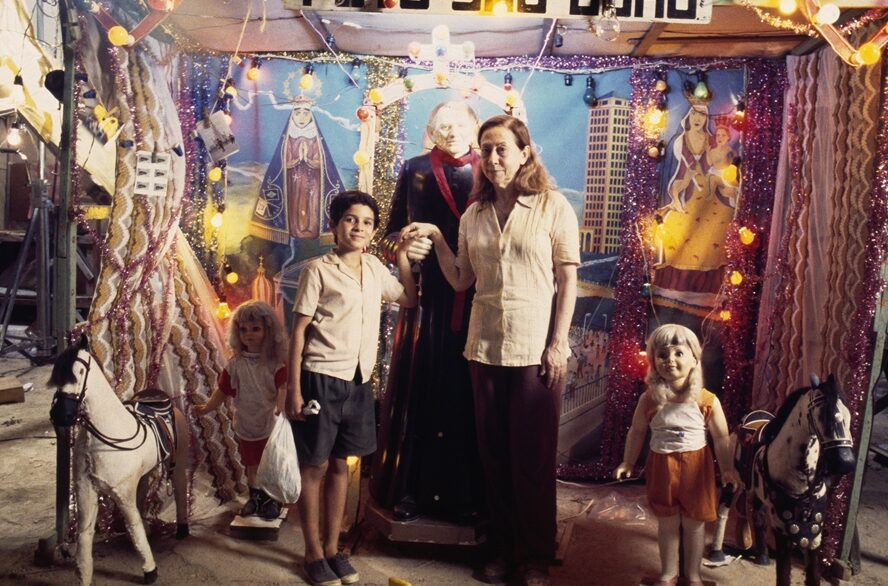
Brazilian cinema has achieved strong international recognition.
By now, we can all agree that Brazil is not only known for soccer, but also for its remarkable achievements in cinema. Over the years, Brazilian filmmakers have gone far beyond national borders — conquering Hollywood and international audiences with powerful, creative storytelling.
Among the most influential names are Bruno Barreto, known for Reaching for the Moon (2013) and Dona Flor and Her Two Husbands (1976); Walter Salles, with Central Station (1998) and Dark Water (2005); Fernando Meirelles and Kátia Lund, responsible for the globally acclaimed City of God (2007); and José Padilha, director of Elite Squad (2007).
Brazil as a Global Cinematic Voice
Together, these filmmakers helped establish Brazil as one of the most relevant contributors to contemporary world cinema, especially through films that explore social, economic, and political realities. Their work reflects a deep sense of creative renewal combined with commercial and international recognition.
With multiple Oscar nominations and awards, these directors not only elevated Brazil’s film industry on the global stage, but also opened doors for a new generation of Brazilian filmmakers eager to follow the trail they pioneered.
Brazilian Films on the U.S. Festival Circuit
For many Brazilian filmmakers, this journey includes an essential stop at U.S. film festivals. Several festivals across the United States actively welcome Brazilian productions, Brazilian talent, or films that explore Brazil and Latin America.
Below is a curated list of festivals with open doors for Brazilian filmmakers, actors, and actresses.
Brazilian Film Festivals in the U.S.
Los Angeles Brazilian Film Festival (LABRFF) celebrates Brazilian cinema on the U.S. West Coast
- Los Angeles Brazilian Film Festival (LABRFF)
Founded in 2008, LABRFF was the first Brazilian film festival on the U.S. West Coast. The festival plays a crucial role in promoting Brazilian films, producers, filmmakers, and actors, while fostering connections between Brazilian and American productions.
Held traditionally in September, the festival occasionally adjusts dates for special editions. LABRFF continues to be a major platform for Brazilian cinema exposure in the U.S. Website: www.labrff.com
- Hollywood Brazilian Film Festival (HBRFEST)
Launched in 2009, the Hollywood Brazilian Film Festival is a fast-growing event focused on independent filmmaking. What sets HBRFEST apart is its celebration of Brazilian culture, blending feature films, Brazilian stars, and live entertainment.
The festival usually takes place in October and attracts both industry professionals and multicultural audiences. Website: www.hbrfest.org
- Miami & New York Brazilian Film Festivals (Inffinito Circuit)
These festivals are part of the Inffinito Festival Circuit, which also includes cities such as London, Buenos Aires, Bogotá, Vienna, Johannesburg, and Canudos (Brazil).
Founded in 1995, Inffinito is recognized for its innovative approach to promoting Brazilian culture abroad. The New York edition is usually held in June, while Miami’s festival takes place in August. Website: www.brazilianfilmfestival.com
San Diego Latino Film Festival promotes diversity in cinema and regularly features Brazilian films and filmmakers.
Latino Film Festivals Featuring Brazilian Cinema
- San Diego Latino Film Festival
Established in 1999, the San Diego Latino Film Festival has grown into a major cultural organization dedicated to diversity and representation in media arts. The festival regularly features Brazilian films and welcomes Brazilian actors and filmmakers as special guests.
It is typically held in March and emphasizes correcting historical underrepresentation in mainstream media. Website: www.sdlatinofilm.com
- Los Angeles Latino International Film Festival (LALIFF)
Held annually in October, LALIFF is a five-day cinematic and social event in the heart of Hollywood. One of its highlights is the opportunity for audiences to engage in Q&A sessions with filmmakers after screenings.
Although Brazilian films are not featured every year, Brazilian professionals frequently participate behind and in front of the cameras. Website: www.laliff.org
General Film Festivals with Brazilian Presence
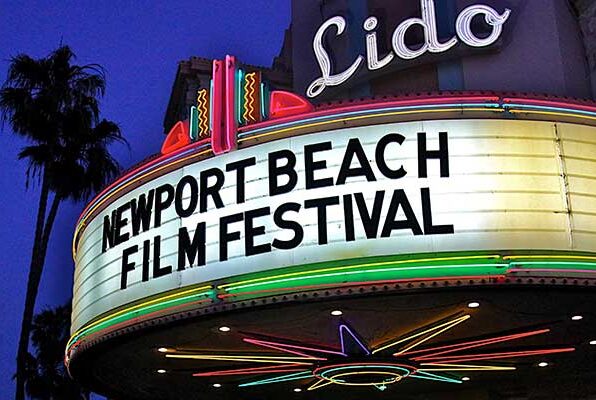
Newport Beach Film Festival showcases Brazilian films within its Latino Spotlight, celebrating global and multicultural storytelling.
- Newport Beach Film Festival
The Newport Beach Film Festival brings the best of international cinema to Southern California. Each year, it hosts a Latino Spotlight, showcasing films from Latin America — including Brazil, Mexico, Argentina, and Chile.
Held in April or May, the festival also features a vibrant afterparty that provides networking opportunities for Brazilian and Latino artists living in Southern California. Website: www.newportbeachfilmfest.com
Final Thoughts
Like the American film industry, Brazilian cinema has experienced both challenges and triumphs. Yet, with the rise of dynamic new storytellers and continued international exposure through festivals like these, the future of Brazilian cinema in the United States looks brighter than ever.
FAQ – FREQUENTLY ASKED QUESTIONS
1. Is Brazilian cinema popular in the United States?
Yes. Brazilian films have gained recognition through major festivals, awards, and Hollywood collaborations.
2. Which Brazilian directors are most recognized internationally?
Walter Salles, Fernando Meirelles, José Padilha, and Bruno Barreto are among the most acclaimed.
3. Are there film festivals in the U.S. dedicated to Brazilian cinema?
Yes. Festivals like LABRFF, HBRFEST, and the Inffinito Circuit focus specifically on Brazilian films.
4. Do Latino film festivals include Brazilian productions?
Many do, including San Diego Latino Film Festival and Newport Beach Film Festival.
5. How can Brazilian filmmakers enter the U.S. festival circuit?
By submitting films to Brazilian-focused and Latino-inclusive festivals across the U.S.