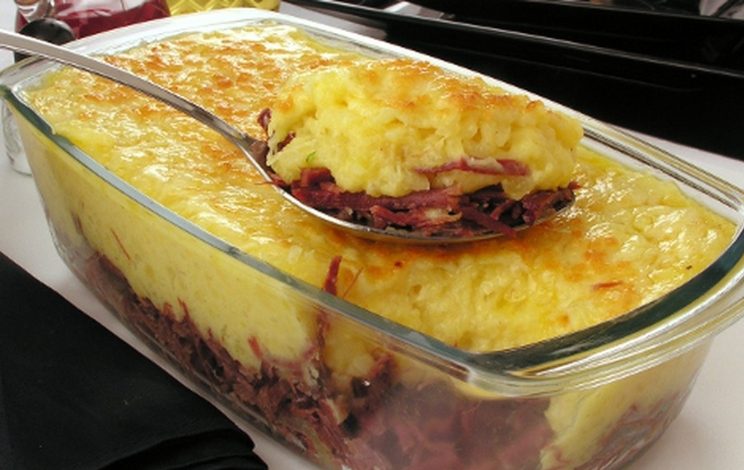
Cassava, known as mandioca, macaxeira or aipim in Brazil, is a key ingredient in Brazilian cuisine. It is used to make farofa, tapioca, escondidinho and many other traditional dishes.
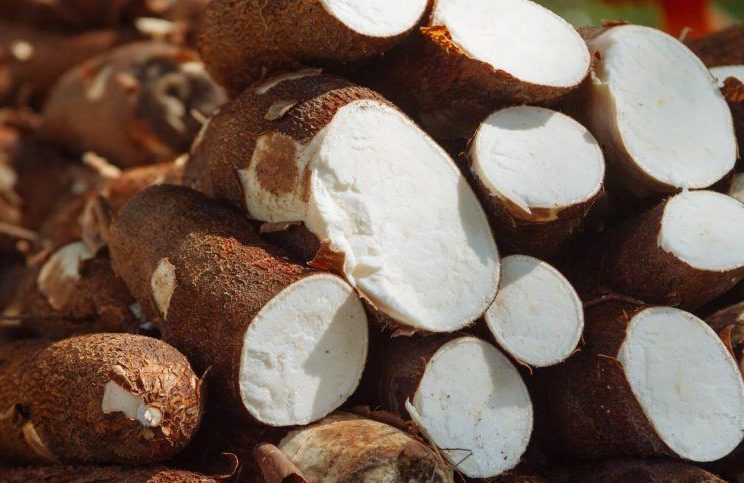
Cassava is one of the most important ingredients in Brazilian cuisine.
Cassava is one of the most important ingredients in Brazilian cuisine. Known as mandioca, macaxeira or aipim depending on the region, this versatile root has Indigenous origins and became an essential part of Brazilian food culture through centuries of Indigenous, European and African influences.
When the Portuguese arrived in Brazil in 1500, they encountered Indigenous peoples, fertile land and an abundance of cassava. The Portuguese gradually incorporated Indigenous culinary practices, with cassava becoming one of the most important ingredients in the country’s developing cuisine.
In Brazil and other countries, cassava is known by different names. It is commonly called yucca in some parts of the United States and Mexico, while Brazilians refer to it as mandioca, macaxeira or aipim, depending on the region.
Cassava and Brazilian Cuisine
Cassava can be transformed into farinha de mandioca, a toasted cassava flour traditionally served with meat and other dishes. It is also used to prepare beiju, tapioca and other traditional foods.
Cassava has also been used in traditional Indigenous food-processing techniques to remove naturally occurring toxic compounds from bitter varieties before consumption. This historical knowledge became an important part of the development of Brazilian cuisine.
Sweet cassava can be boiled or baked before being eaten. Over time, Indigenous traditions combined with European and African influences to create dishes such as pirão, paçoca and different versions of farofa.
Farofa, made primarily with toasted cassava flour, became a traditional accompaniment throughout Brazil and is especially associated with feijoada, meats and Brazilian barbecue.
Mandioca, Macaxeira or Aipim?
The same root has different names across Brazil.
In São Paulo and Rio de Janeiro, it is commonly called mandioca. In much of the Northeast, it is known as macaxeira, while aipim is widely used in parts of southern Brazil.
Regardless of the name, cassava is used in cakes, soups, stews and many Brazilian and Portuguese recipes.
One of its best-known preparations is Brazilian tapioca, a naturally gluten-free dish particularly associated with the Northeast and the state of Pernambuco. Soul Brasil has also published a traditional tapioca recipe using hydrated cassava starch.
Cassava’s Role in Brazilian Food Culture
Cassava is more than an ingredient in Brazil. Its different preparations reflect the country’s Indigenous culinary heritage and the influences that shaped Brazilian cuisine over time.
Farofa remains one of the most familiar examples. It can be prepared in many ways, from simple toasted cassava flour to versions containing eggs, onions, herbs, bacon or other ingredients.
For Brazilians living abroad, cassava flour is also an important ingredient for recreating traditional meals. Soul Brasil has documented how Brazilian communities in Los Angeles historically had difficulty finding products such as toasted cassava flour for making farofa.
Escondidinho de Carne Seca — Hidden Jerked Beef
Serves 6–8 people
Escondidinho is a popular Brazilian preparation made with a creamy cassava layer and a savory filling. This version uses carne seca, or Brazilian dried beef, covered with cassava puree and Parmesan cheese.
Ingredients
You will need 2 pounds of fresh yucca or cassava, ½ pound of carne seca (dried beef), 50 ml of milk, olive oil, 2 cloves of chopped garlic and Parmesan cheese.
How to Make Escondidinho de Carne Seca
Escondidinho combines cassava puree with savory dried beef and cheese.
Peel the cassava and place it in a medium pot with salted water. Cook until it becomes soft enough for a fork to pass easily through it.
Drain the water and remove the central stem from the cassava.
Blend the cassava with the milk until you have a puree and set it aside.
In another pot, place the dried beef in water and bring it to a boil. Drain the water and repeat the process once more to remove excess salt from the meat.
Cut the dried beef into small cubes.
Heat some olive oil in a medium pan and sauté the chopped garlic for about two minutes. Add the dried beef and cook for approximately two more minutes.
Remove the meat and discard the excess oil.
Spread the cassava puree in a baking dish. Add the dried beef on top and gently press it into the puree with a spoon or spatula.
Cover with Parmesan cheese.
Bake at 350°F (approximately 175°C) for about 25 minutes, or until the top is golden.
Remove from the oven and divide into equal portions before serving.
Farofa Nordestina
Serves 6–8 people
Farofa has countless variations throughout Brazil. This version is inspired by a traditional Northeastern Brazilian farofa with eggs.
Farofa is commonly served with feijoada, meats and other Brazilian dishes. Soul Brasil also describes farofa as a traditional cassava-flour accompaniment enjoyed throughout Brazil.
Ingredients
You will need ½ pound of cassava flour (farinha de mandioca), 3 eggs, ½ bunch of chopped parsley, ½ small chopped onion and 50 ml of vegetable oil.
How to Make Northeastern Farofa
In a small frying pan, scramble the three eggs with a little butter and set aside.
In a medium pan, heat the vegetable oil and add the chopped parsley and onion.
Cook for about two minutes, or until the onion begins to brown.
Add salt to taste and the scrambled eggs.
Then add the cassava flour and continue stirring with a wooden spoon for another 2 to 3 minutes, until the farofa becomes lightly golden.
Serve with feijoada or other traditional Brazilian dishes.
Farofa and Feijoada
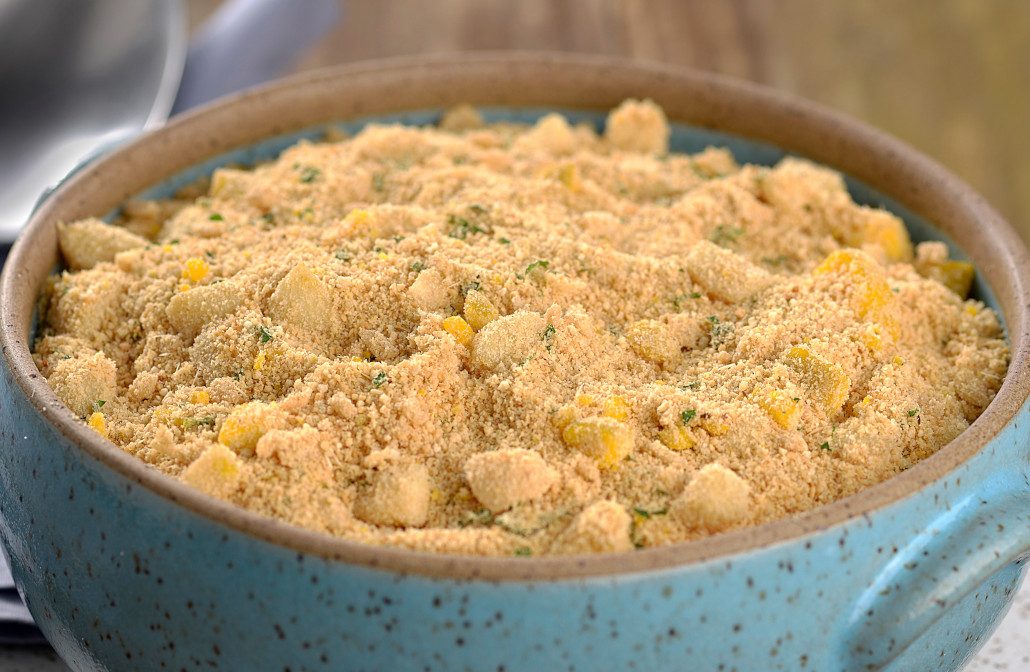
Farofa is a traditional cassava-flour side dish served throughout Brazil.
Farofa is one of the classic accompaniments to Brazilian feijoada, along with rice, collard greens and orange slices. Soul Brasil’s more recent guide to feijoada also includes farofa as a traditional side dish and provides another preparation using manioc flour.
The combination illustrates how cassava flour became deeply integrated into everyday Brazilian meals, from family lunches to traditional weekend gatherings.
More Brazilian Recipes With Cassava
Cassava appears in many different Brazilian preparations. Besides farofa and escondidinho, it is used in tapioca, cassava cakes, soups, purées and regional dishes.
For readers interested in exploring more of this culinary tradition, Soul Brasil also features Arrumadinho, a Northeastern dish combining dried beef, black-eyed peas, farofa and Brazilian vinaigrette.
Brazilian tapioca is another important example, particularly connected to Pernambuco and Northeastern Brazilian cuisine.
Frequently Asked Questions
What is cassava called in Brazil?
Cassava has several names in Brazil. It is commonly called mandioca, macaxeira or aipim, depending on the region.
What is farofa made from?
Farofa is primarily made from cassava flour, which is toasted and often combined with ingredients such as eggs, onions, herbs, butter, oil or meat.
Why is farofa important in Brazilian cuisine?
Farofa is a traditional accompaniment served with many Brazilian meals, particularly feijoada, meats and barbecue.
What is escondidinho de carne seca?
Escondidinho de carne seca is a Brazilian dish made with cassava puree and dried beef, usually finished with cheese and baked until golden.
Is Brazilian tapioca made from cassava?
Yes. Traditional Brazilian tapioca is made from hydrated cassava starch and is naturally gluten-free. It is especially associated with Northeastern Brazil.