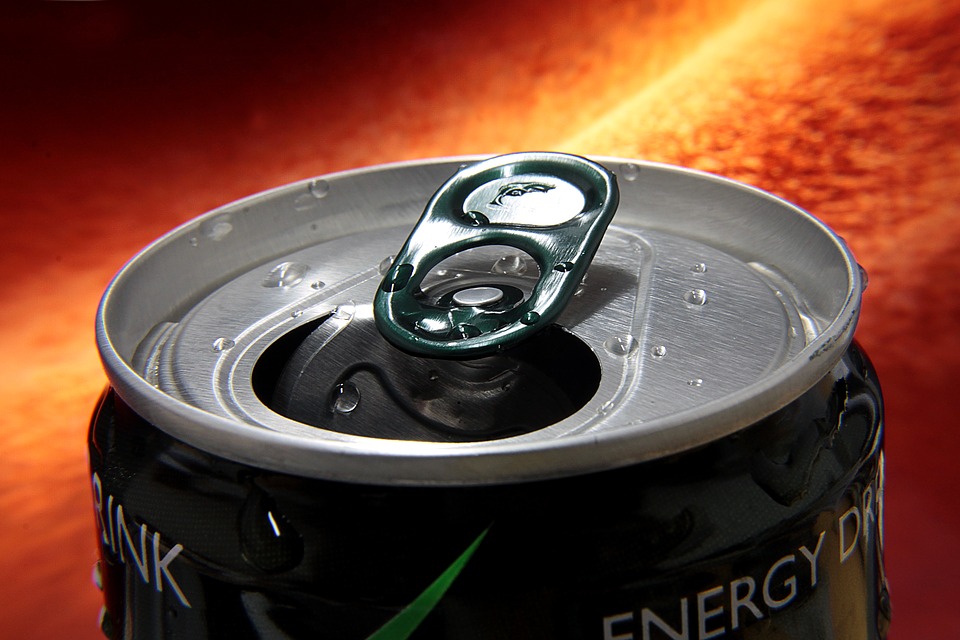
Energy drinks promise quick energy and focus, but their high levels of caffeine and sugar can strain the heart, disrupt sleep, and mask alcohol’s effects. Science shows that moderation—and awareness—is key to avoiding health risks.
By Lindenberg Junior
Translation: Leandro Saueia

The main ingredients in most energy drinks are sugar and caffein
In the last decade, energy drinks have become a staple in supermarkets, gas stations, and gyms worldwide. Their marketing is powerful—often linking them to:
- Sports performance
- Long study sessions
- All-night parties
But behind the flashy cans and slogans, what do these drinks really do to your body?
Most energy drinks contain:
- Sugar
- Caffeine
They may also include:
- Guaraná
- Taurine
- Glucuronolactone
- B vitamins
- Herbal stimulants like ginseng, ginkgo biloba, or green tea extract
While these ingredients can temporarily boost alertness, excessive consumption carries real health risks.
The hidden dangers of mixing energy drinks and alcohol
Researchers from the University of São Paulo found that young men who mixed alcohol with energy drinks felt less intoxicated than those drinking alcohol alone—despite having the same level of impairment.
According to Maria Lucia Souza Formigoni, this creates a “false sense of sobriety.”
This can lead to:
- Drinking more than intended
- Risky behavior (like driving)
- Increased chances of alcohol poisoning
Studies published in Alcoholism: Clinical & Experimental Research confirm that combining a stimulant (energy drink) with a depressant (alcohol) puts extreme stress on the:
- Cardiovascular system
- Cardiopulmonary system
In severe cases, this can result in life-threatening complications.
How energy drinks affect your body

Energy drink is a stimulant, but can be dangerous for the heart if consumed in excess.
Brain
Caffeine stimulates adrenaline, reducing fatigue and sleepiness.
- Increased alertness
- Masked perception of intoxication
- Higher risk of overconsumption
Heart
Taurine and caffeine stimulate the heart muscle, increasing heart rate and blood pressure.
Particularly risky for:
- People with heart conditions
- Those with hypertension
Liver
Compounds like taurine and glucuronolactone may assist in detoxification, but their long-term effects at high doses remain unclear.
Muscles
Sugars and B vitamins provide quick energy, improving short-term performance.
However:
- Can lead to energy crashes
- May cause overexertion
Final thoughts
Energy drinks can provide a short-term boost, but they are not a sustainable solution for energy.
If consumed:
- Limit to one can per day
- Never mix with alcohol
The safest and most effective way to stay energized remains:
- Proper hydration
- Nutritious food
- Rest and recovery
FAQ – Frequently Asked Questions
1. Are energy drinks bad for your health?
Yes—when consumed frequently or in large amounts, they can increase the risk of heart problems, anxiety, and sleep disorders.
2. Is it safe to drink energy drinks every day?
Experts recommend limiting intake to one serving per day. Daily use may lead to caffeine dependency.
3. Why is mixing energy drinks with alcohol dangerous?
Because stimulants mask alcohol’s effects, making people feel less drunk than they actually are—raising the risk of accidents and overconsumption.
4. Do energy drinks improve performance?
They can boost alertness temporarily, but often lead to energy crashes and dehydration.
5. What are healthier alternatives?
Water, green tea, balanced nutrition, exercise, and good sleep are the best natural energy sources.