According to spiritual traditions and ancient wisdom, many of our frustrations stem not from external circumstances, but from our attachment to desires and expectations. By cultivating self-awareness, moderation, and inner balance, it may be possible to reduce suffering and experience a deeper sense of fulfillment.
By Lauro Pinotti | Translation: Andrea Alves

According to Buddhist teachings, suffering often arises from attachment and unfulfilled desires.
The teachings of the great spiritual masters were created to help human beings transcend selfishness and narrow perceptions of reality. Through self-knowledge, individuals can develop greater satisfaction with themselves and with the world around them.
If suffering is, at least in part, a consequence of how we perceive reality, then it is possible to transform our experience through personal growth and self-understanding.
As Gautama Buddha once taught:
“Designers design channels, archers shoot arrows, potters mold the clay. The wise man molds himself.”
According to Buddhist teachings, people are often controlled by impulses such as greed, lust, pride, envy, anger, avarice, and laziness. When these tendencies dominate one’s life, interactions with the world become anxious, aggressive, and driven by constant craving.
Buddha and the Importance of Detachment
Nearly 500 years before Christ, Gautama Buddha emphasized the value of detachment.
His teachings did not suggest rejecting the world or its resources. Instead, they proposed living fully while avoiding excessive attachment to material possessions, expectations, and temporary pleasures.
Buddha taught that suffering is one of the central realities of human existence. However, this suffering is not imposed from outside. Rather, it emerges from a limited understanding of reality and from mistaken assumptions about how life should unfold.
In this view, suffering is often rooted in a distorted perception of the world rather than in the world itself.
Living Like a Child
Centuries later, another spiritual teacher from the Middle East delivered a remarkably similar message.
Jesus taught:
“Unless you change and become like little children, you will never enter the kingdom of heaven.”
Children naturally live in the present moment. They do not cling to the past or obsess over the future. They express their emotions authentically and experience life with openness and curiosity.
As they grow older, however, social conditioning often replaces spontaneity with anxiety, judgment, and attachment, distancing them from that original state of inner peace.
How Desire Creates Dissatisfaction
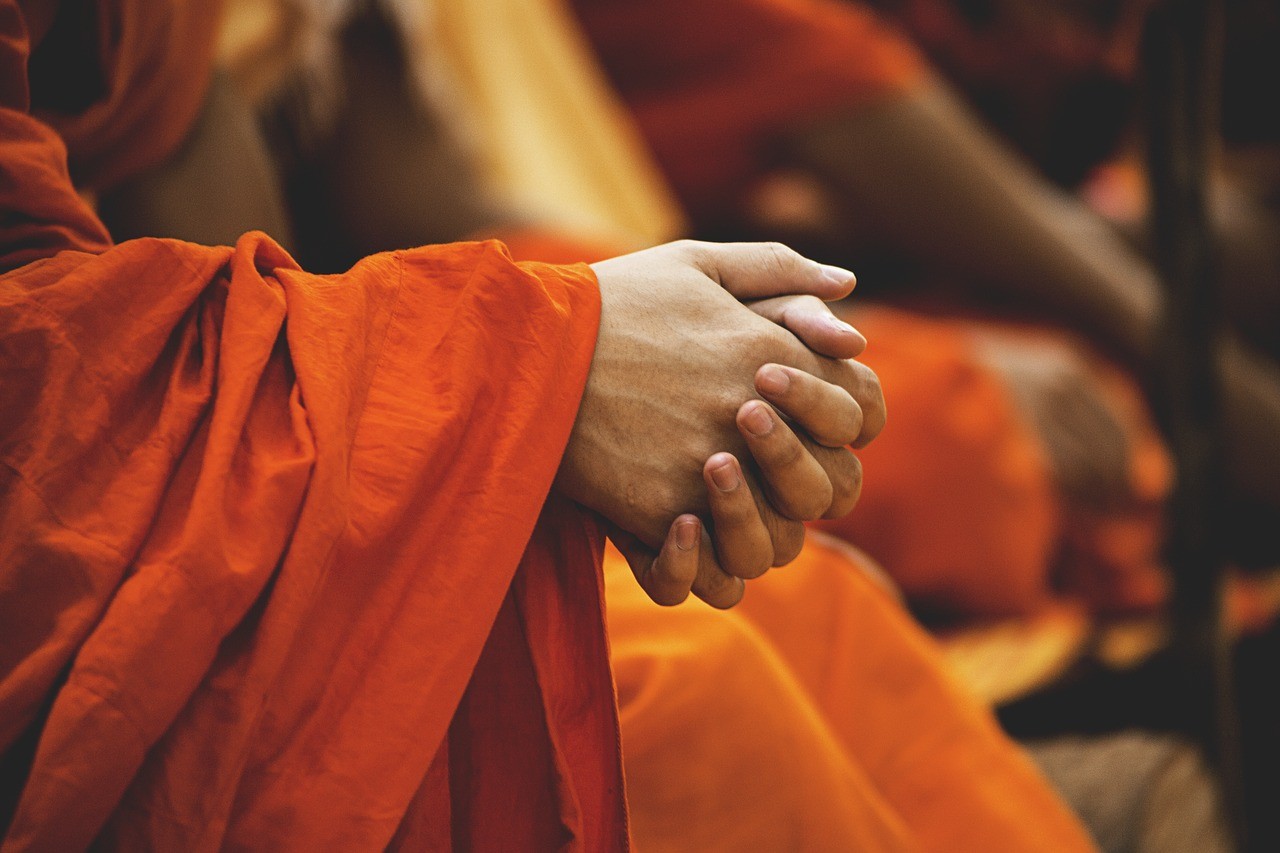
Self-knowledge is one of the most effective tools for transforming personal dissatisfaction.
According to many spiritual traditions, dissatisfaction arises when desires cannot be fully realized.
Many people struggle to accept reality as it is. Instead, they become attached to what is pleasurable and develop resistance toward discomfort, uncertainty, and pain.
This creates a mental state in which the present moment rarely feels sufficient.
When desires are not fulfilled, frustration emerges. When they are fulfilled, fear often follows—the fear of losing what has been gained. In both cases, dissatisfaction remains.
Why Achievement Alone Is Never Enough
Everything in life changes.
Every success, possession, relationship, or achievement carries an unavoidable truth: it is temporary.
The stronger the attachment to a particular outcome, the stronger the disappointment when that experience inevitably changes or comes to an end.
Like a snowball rolling downhill, desire tends to grow larger over time, creating increasingly intense expectations and, consequently, deeper frustrations.
The Middle Path: A Practical Solution
One of Buddha’s most enduring teachings is the concept of the Middle Path.
Many people spend their lives pursuing maximum sensory pleasure, only to discover that satisfaction remains elusive. Others react by moving toward the opposite extreme—self-denial, deprivation, or excessive mortification.
Neither extreme appears to offer lasting peace.
Instead, the Middle Path encourages moderation, balance, and conscious living. It suggests enjoying life’s experiences without becoming enslaved by them.
Consumerism and the Modern Crisis of Meaning
Modern society provides countless examples of humanity’s endless pursuit of desire.
The vast variety of products found on supermarket shelves reflects not only economic abundance but also the countless wants and cravings present in people’s minds.

Modern consumer culture frequently amplifies desires without addressing deeper emotional needs.
Advertising agencies and corporations understand these desires deeply and often build entire marketing strategies around them.
A simple visit to a supermarket can reveal how modern life encourages consumption while often failing to address deeper emotional and spiritual needs.
Too Many Desires, Too Little Spirituality
The central challenge of modern life may be surprisingly simple:
People have accumulated more desires than ever before while dedicating less attention to spirituality, self-reflection, and inner development.
As material possibilities expand, many individuals continue searching for fulfillment in external achievements while feeling increasingly disconnected from themselves.
This raises an important question: Could the imbalance between desire and spirituality be one of the root causes of many personal and societal problems today?
*Lauro Pinotti is an architect, master in multimedia, writer, and researcher of “spirituality” and “holistic therapies”.