Chapada Diamantina in Bahia is one of Brazil’s top destinations for ecotourism and adventure travel, offering spectacular waterfalls, caves, mountains and hiking trails. Highlights include Cachoeira da Fumaça, Vale do Pati, Morro do Pai Inácio and historic communities such as Igatu.
By Laís Oliveira
Translation: Mallory Adragna

Chapada Diamantina is one of Brazil’s most important ecotourism destinations, combining waterfalls, caves, mountains, rivers, canyons and almost 300 kilometers of hiking trails.
A paradise of lush landscapes, waterfalls, caves, mountains and trails: this is the first impression of many visitors arriving in Chapada Diamantina, one of Brazil’s most spectacular destinations for ecotourism and adventure travel.
Located in the backlands of Bahia, the Chapada Diamantina National Park protects more than 152,000 hectares of the Serra do Sincorá and is part of the northern portion of the Espinhaço mountain range. The region is known for its extraordinary ecological diversity, with areas associated with the Atlantic Forest, Cerrado and Caatinga.
The destination is home to waterfalls, caves, canyons, natural pools, mountain landscapes and historic trails. Visitors can choose from short hikes to multi-day treks, making Chapada Diamantina a destination for both nature lovers and experienced adventurers.
How to Explore Chapada Diamantina
Chapada Diamantina is a large region rather than a single city. Lençóis is one of its main tourism bases and offers a wide range of accommodations, restaurants, services and access to attractions. Other popular places to stay include Mucugê, Andaraí, Ibicoara, Palmeiras, Rio de Contas, Igatu and Vale do Capão.
Travelers who plan to explore the region independently should carefully plan transportation and the distances between attractions. A rental car can be useful for reaching different parts of the region, but many trails and attractions require local knowledge and should not be treated as ordinary road-trip stops.
For activities inside the national park, hiring a qualified local guide or visitor conductor is strongly recommended. According to ICMBio, many trails have little or no signage, cell phone coverage is not available inside the park, and some routes include poorly marked sections.
Waterfalls: One of Chapada Diamantina’s Biggest Attractions
Waterfalls are among the main reasons travelers visit Chapada Diamantina.
Cachoeira da Fumaça
One of the region’s most famous attractions is Cachoeira da Fumaça, accessed from the Vale do Capão area in the municipality of Palmeiras.
The trail to the upper viewpoint involves a steep climb and takes around two hours for the hike itself, depending on conditions and the visitor’s pace. ICMBio describes the trail as approximately 5 kilometers, while other official geological information places the access route at around 6 kilometers.
The waterfall is famous for its impressive free fall of roughly 380 to 400 meters. Strong air currents in the valley can cause the water to turn into fine droplets and appear to rise rather than reach the bottom, creating the “smoke” effect that gives the waterfall its name.
The viewpoint offers one of the most spectacular panoramas in Chapada Diamantina and is one of the region’s signature experiences for travelers interested in hiking and nature.
Cachoeira do Sossego
Another popular attraction near Lençóis is Cachoeira do Sossego.
The trail follows the Ribeirão River and includes sections over rocks, making the hike considerably more adventurous than a simple walk. The waterfall itself is relatively low compared with Fumaça, but the surrounding rock formations and natural pool create an impressive setting.
As with other trails in the region, visitors should consider local conditions, weather and their own physical preparation before attempting the route.
Caves, Underground Rivers and Natural Pools

Cachoeira da Fumaça is one of the region’s most spectacular attractions, with approximately 380 to 400 meters of free fall and a distinctive effect created when strong winds turn the falling water into fine droplets.
The caves of Chapada Diamantina offer another dimension of the region’s natural landscape.
Among the best-known attractions are Caverna dos Impossíveis, Gruta da Pratinha, Gruta do Lapão, Poço Azul and Gruta da Lapa Doce.
The region is internationally known for its extensive cave systems, geological formations and underground landscapes. Some sites combine caves with crystal-clear blue waters, while others feature impressive rock formations and archaeological or paleontological importance.
Visitors can also find caves and rock shelters associated with prehistoric human occupation and sites containing rock paintings.
Some caves and underground water systems are used for activities such as floating and diving, but these experiences should only be undertaken where they are officially permitted and with qualified operators. Underground environments can involve deep water, slippery rocks, narrow passages and other hazards.
The region’s natural beauty therefore comes with an important rule: never enter caves, underground rivers or remote trails without understanding the conditions and access requirements of the specific attraction.
Morro do Pai Inácio and Chapada’s Mountain Landscapes
The mountains of Chapada Diamantina are among the best places to experience the region’s landscapes at sunrise or sunset.
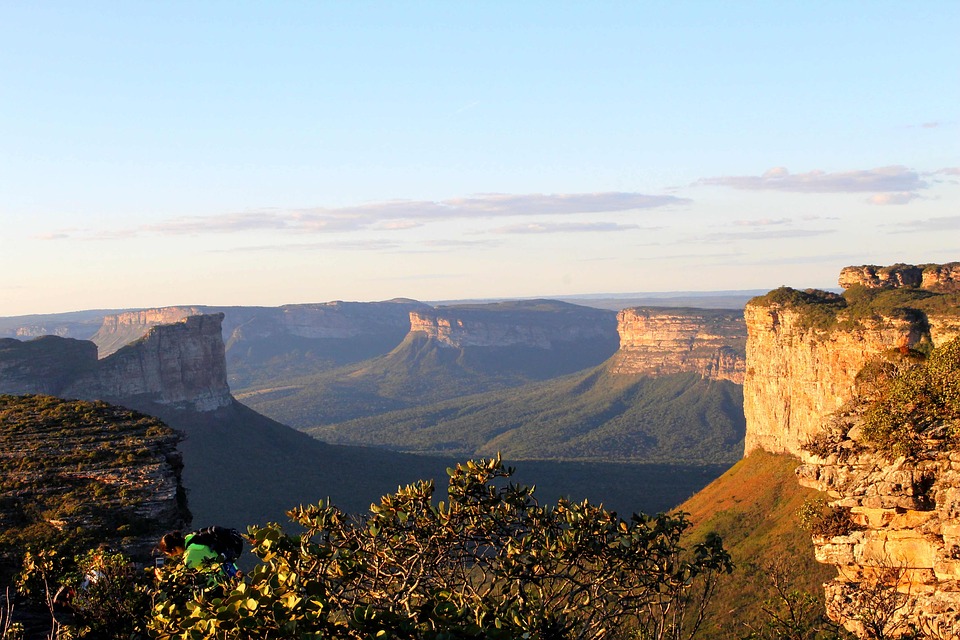
One of the most famous viewpoints is Morro do Pai Inácio, in the municipality of Palmeiras. The mountain rises to approximately 1,120 meters above sea level and can be reached by a relatively short but steep hike.
From the top, visitors have panoramic views of the surrounding mountains, valleys and distinctive rock formations. The site is particularly popular around sunset, when the changing light creates dramatic views across the Chapada.
Other mountains and viewpoints, including Morrão (Mount Tabor), Morro do Camelo and Morro Branco do Pati, are also associated with hiking and adventure activities.
The Vale do Pati and Multi-Day Trekking
For travelers looking for a more immersive experience, the Vale do Pati is one of Chapada Diamantina’s most famous trekking destinations.
Multi-day routes cross mountains, valleys, rivers and historic trails originally associated with the region’s diamond-mining era. Some routes involve overnight stays with local residents, while others require camping and carrying equipment and food.
The experience combines physical activity, dramatic scenery and contact with communities that live in the region.
Chapada Diamantina’s national park contains almost 300 kilometers of trails, ranging from shorter walks to challenging multi-day routes. Activities available in and around the park include hiking, mountain biking, river swimming, climbing and canoeing.
From Diamond Mining Trails to Ecotourism
Chapada Diamantina’s landscapes are also connected to the history of diamond mining.
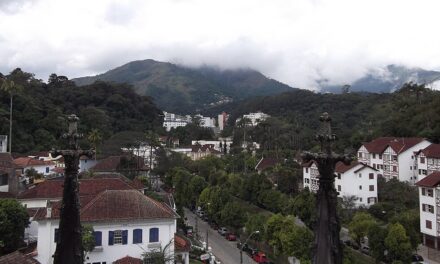
The towns surrounding the national park preserve colonial architecture and other reminders of the period when diamond mining transformed the region’s economy.
Many of the trails used today by hikers were originally opened or expanded by prospectors traveling through the mountains in search of diamonds.
Today, those historic routes have become part of a tourism economy centered on hiking, nature, adventure and cultural experiences.
The history remains visible in places such as Igatu, an old mining settlement known for its stone houses and historic atmosphere.
Responsible Tourism in Chapada Diamantina
Chapada Diamantina is more than an adventure destination. It is also a protected natural environment that requires responsible tourism.
The national park protects important ecosystems and wildlife, including threatened species. Visitors should follow park regulations, stay on established routes, avoid leaving waste behind, respect local communities and minimize their impact on the environment.
For more remote routes, local guides can provide important information about weather, trail conditions, river crossings, navigation and emergency procedures.
This is especially important because the ICMBio warns that there is no cell phone signal inside the park and that some trails are not clearly marked.
Rather than simply purchasing a travel package, independent travelers can research local guide associations and qualified visitor conductors in the different communities. Their knowledge can make a significant difference in both safety and environmental preservation.
Chapada Diamantina: A Brazilian Destination for Adventure and Nature

Vale do Pati, Morro do Pai Inácio, Cachoeira do Sossego, Poço Azul and the region’s caves offer different ways to experience Chapada Diamantina, from short hikes and viewpoints to challenging multi-day adventures.
Chapada Diamantina brings together many of the experiences that make Brazilian ecotourism so diverse: waterfalls, mountains, caves, rivers, canyons, historic communities and long-distance hiking trails.
For travelers coming from the United States or other countries, the region also offers an opportunity to experience a side of Brazil far removed from the country’s better-known beach destinations.
Whether the goal is a short hike to a spectacular viewpoint, a waterfall adventure, cave exploration or a multi-day trek through the Vale do Pati, Chapada Diamantina offers experiences that combine nature, adventure and the history of Bahia.
For anyone planning a trip, however, the best approach is to plan according to the specific trail and attraction, check current access conditions and use qualified local guidance for more challenging routes.
Chapada Diamantina is not simply a place to visit. It is a landscape to explore slowly, responsibly and with respect for the environment and the communities that call the region home.
*For airline tickets from the U.S to Brazil or Latin America, customized travel packages, hotels and cruises, please visit our travel agent page or contact Magali Da Silva directly by phone or whatsapp: 1 (323)428-1963.
FAQ – Frequently Asked Questions
1. Where is Chapada Diamantina?
Chapada Diamantina is a mountainous region in the interior of Bahia, Brazil. The Chapada Diamantina National Park protects more than 152,000 hectares in the Serra do Sincorá.
2. What are the main attractions in Chapada Diamantina?
Some of the best-known attractions include Cachoeira da Fumaça, Morro do Pai Inácio, Vale do Pati, Cachoeira do Sossego, Poço Azul, Gruta da Lapa Doce, Gruta do Lapão and the historic village of Igatu.
3. Is Chapada Diamantina good for ecotourism and adventure travel?
Yes. The region offers hiking, multi-day trekking, mountain biking, climbing, river activities, cave exploration and visits to waterfalls and viewpoints. The national park has almost 300 kilometers of trails.
4. Do I need a guide in Chapada Diamantina?
A guide or qualified visitor conductor is strongly recommended for many routes, particularly remote or multi-day trails. ICMBio notes that there is no cell phone signal inside the park and that many trails are not signposted or are only partially marked.
5. How high is Cachoeira da Fumaça?
Cachoeira da Fumaça has a free fall of approximately 380 to 400 meters, depending on the reference point used for the measurement. It is one of the most spectacular waterfalls in Chapada Diamantina and one of the region’s best-known attractions.