The internet has transformed the music industry by making music more accessible, democratizing artist promotion, and shifting consumption from traditional radio to streaming platforms. Today, independent and major artists alike can reach global audiences through digital services such as Spotify, SoundCloud, YouTube Music, and Apple Music.
By Laís Oliveira | Translation: Isabela Jordão
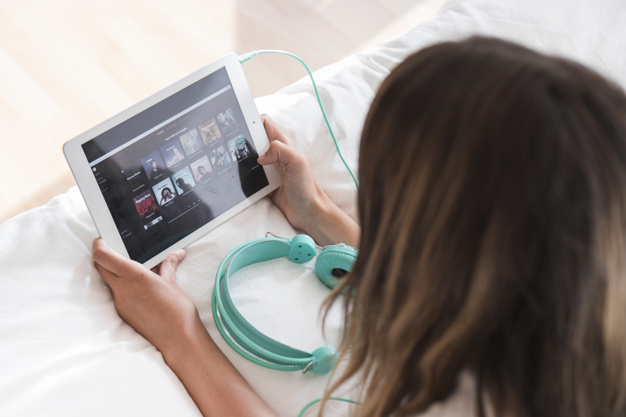
The internet has permanently transformed how music is created, distributed, and consumed
Music is experiencing one of the most significant transformations in its history.
While radio remains relevant, the rise of streaming platforms has fundamentally changed how people discover, consume, and share music. Services such as Spotify, SoundCloud, Deezer, and YouTube Music have created a more democratic environment where both established stars and independent musicians can compete for listeners on the same digital stage.
Unlike traditional radio, streaming platforms allow users to:
- Choose exactly what they want to hear.
- Replay songs without limitations.
- Create personalized playlists.
- Discover new artists instantly.
- Listen anytime and anywhere.
For modern listeners, convenience and personalization have become essential.
Streaming Growth and Changing Musical Trends
According to data from the Brazilian music industry website Mundo da Música, digital platforms have significantly impacted the popularity of various music genres.
In 2019:
Pop Music
- Spotify: +16%
- YouTube: +8%
- Radio: -1%
Samba
- Spotify: +35%
- YouTube: +97%
- Radio: +35%
Sertanejo
- Spotify: -5%
- YouTube: -5%
- Radio: -5%
These numbers illustrate how digital platforms can accelerate genre growth while reshaping audience preferences.
Is Radio Still Relevant?
Many predicted that radio would disappear, just as some forecasted the decline of television, magazines, and newspapers.
That prediction has not materialized.
Instead, traditional media have adapted to changing consumer behavior. Radio stations now offer:
- Online streaming
- Mobile apps
- Podcasts
- On-demand content
- Social media integration
The rise of internet radio demonstrates that traditional broadcasting can coexist with digital innovation.
A Game-Changer for Independent Artists
For independent and emerging musicians, digital platforms have become invaluable tools.
Historically, getting music played on major radio stations required substantial financial investment and industry connections. Airplay opportunities were limited, expensive, and highly competitive.
Today, artists can upload music directly to streaming platforms and potentially reach global audiences without relying on traditional gatekeepers.
This shift has significantly lowered entry barriers for creators.
The Rise of Digital Distribution Services
In addition to streaming platforms, artists now have access to numerous distribution services that help place music on major digital stores and streaming platforms.
Streaming platforms have democratized opportunities for both major stars and independent artists
Popular distribution services include:
- Amuse
- DistroKid
- CD Baby
- TuneCore
- Ditto
- Record Union
- Spinnup
- AWAL
- UnitedMasters
- Level
These services have empowered thousands of artists to release music independently while retaining greater control over their careers.
The Three Questions Every Musician Should Ask
With so many promotional tools available, artists must develop strategic plans before launching music.
Three critical questions remain essential:
1. Where Is Your Audience?
Identify the platforms and communities where your target listeners spend their time.
2. Why Is That Platform Powerful?
Understand the tools, audience size, algorithms, and promotional opportunities available.
3. When Should You Execute Your Strategy?
Timing can be just as important as the quality of the music itself.
Successful digital marketing requires understanding both audience behavior and platform dynamics.
The Drake Effect: How Playlist Placement Works
In 2018, rapper Drake released the album Scorpion, which quickly became one of the world’s biggest commercial successes.
During launch week, Spotify prominently featured Drake across numerous playlists, leading many people to wonder:
How much does an artist pay to appear on an official Spotify playlist cover?
The answer is often surprising: nothing.
Playlist placement generally depends on factors such as:
- Artist popularity
- Quality of the release
- Relationships between labels and platforms
- Editorial decisions
- Regional market strategies
In many cases, playlist exposure can generate massive visibility that would have required substantial advertising budgets in traditional media.
Why Americans Still Love Radio
Despite the dominance of streaming services, radio remains remarkably influential in the United States.
Research has consistently shown that radio continues to be one of the primary ways Americans discover new music.
This may seem surprising in a world filled with Spotify, Apple Music, SoundCloud, and YouTube Music.
The explanation lies in a concept many experts call the “tyranny of choice.”
When listeners are presented with millions of songs, making a decision can become overwhelming.
Many people simply prefer allowing a trusted source—such as a DJ, curated playlist, or radio station—to make those choices for them.
The Tyranny of Choice in the Streaming Era
Digital platforms offer nearly unlimited access to music.
Yet for many listeners, music is not an activity requiring constant decision-making. It is something that accompanies daily life while:
- Driving
- Cooking
- Cleaning
- Working
- Exercising
- Relaxing
As a result, streaming services themselves have increasingly adopted radio-like features, including:
- Curated playlists
- Personalized recommendations
- Algorithm-generated stations
- Mood-based listening experiences
The line between radio and streaming continues to blur.
The Democratization of Music Discovery
One of the defining characteristics of the digital age is freedom of choice.
Today’s listeners can:
- Turn on a radio station and let others curate the experience.
- Build personalized playlists.
- Follow favorite artists directly.
- Explore niche genres.
- Use algorithmic recommendations.
- Access ready-made playlists for parties, workouts, study sessions, and relaxation.
Regardless of age, musical preference, or technological familiarity, there are now more ways than ever to discover and enjoy music.
The internet has permanently transformed the music industry—and the transformation is still unfolding.
FAQ – Frequently Asked Questions
For independent musicians, digital distribution has opened doors that were once controlled by industry gatekeepers
1. How has the internet changed the music industry?
The internet has made music distribution more accessible, reduced barriers for independent artists, and shifted music consumption toward streaming platforms.
2. Is radio still important today?
Yes. Although streaming dominates many markets, radio remains an important source of music discovery, especially in the United States.
3. What are the most popular music streaming platforms?
Major platforms include Spotify, Apple Music, SoundCloud, Deezer, Amazon Music, YouTube Music, and Tidal.
4. How do independent musicians distribute their music online?
Artists often use digital distribution services such as DistroKid, CD Baby, TuneCore, AWAL, and UnitedMasters to place music on streaming platforms.
5. Why do people still listen to curated playlists and radio?
Many listeners prefer guidance when choosing music because the enormous number of available songs can feel overwhelming.