Weight loss myths can actually lead to weight gain, especially when driven by misleading marketing and outdated nutrition advice. From “low-fat” foods packed with sugar to oversimplified calorie counting, many popular beliefs ignore how the body truly works. Understanding these myths is key to making smarter, sustainable health choices.

Low fat or fat free almost always translates into higher-sugar processed food
The weight loss industry generates billions annually, fueled by people seeking the “perfect body.” However, many advertisements and viral campaigns distort reality. In today’s highly capitalist-driven market, manufacturers and so-called experts often fail to present the full truth, spreading misinformation that many accept without question.
Myth #1: “Everything in Moderation”
This popular phrase sounds harmless—but in practice, it can be misleading.
That “live a little” mindset often leads to frequent indulgences, triggering cravings, worsening food intolerances, and creating a slippery slope toward unhealthy habits. While moderation works in theory, in reality it can blur boundaries and lead to excess.
Myth #2: Calories In, Calories Out
The traditional advice—eat less and exercise more—is overly simplistic.
The calories-in vs. calories-out model ignores the body’s complex biochemical and hormonal processes. For example, burning calories just to “earn” unhealthy foods reinforces poor habits.
Key insight: Calories matter—but hormones matter more.
Myth #3: Fat Makes You Fat
This is one of the most persistent misconceptions.
Foods labeled “low-fat” or “fat-free” often contain higher amounts of sugar and additives. In nature, almost no food is completely fat-free.
The real issue isn’t fat itself, but the type of fat:
- Avoid: Trans fats and highly processed fats
- Prefer: Natural fats (e.g., coconut-based foods)
There’s a huge difference between processed fast-food fats and those from whole, natural sources.
Myth #4: “Whole Grains” Are Always Healthy
The term “whole grain” is widely used—but often misunderstood.
For a grain to be truly whole, it must contain:
- Bran
- Germ
- Endosperm
Many processed foods labeled as “whole grain” don’t meet these criteria. Manufacturers frequently use the label to make unhealthy products seem nutritious.
Truly healthy whole grains include:
- Quinoa
- Wild rice
- Gluten-free oats
Myth #5: Eat a “Balanced Breakfast” (No Matter What)
Not all breakfasts are created equal.
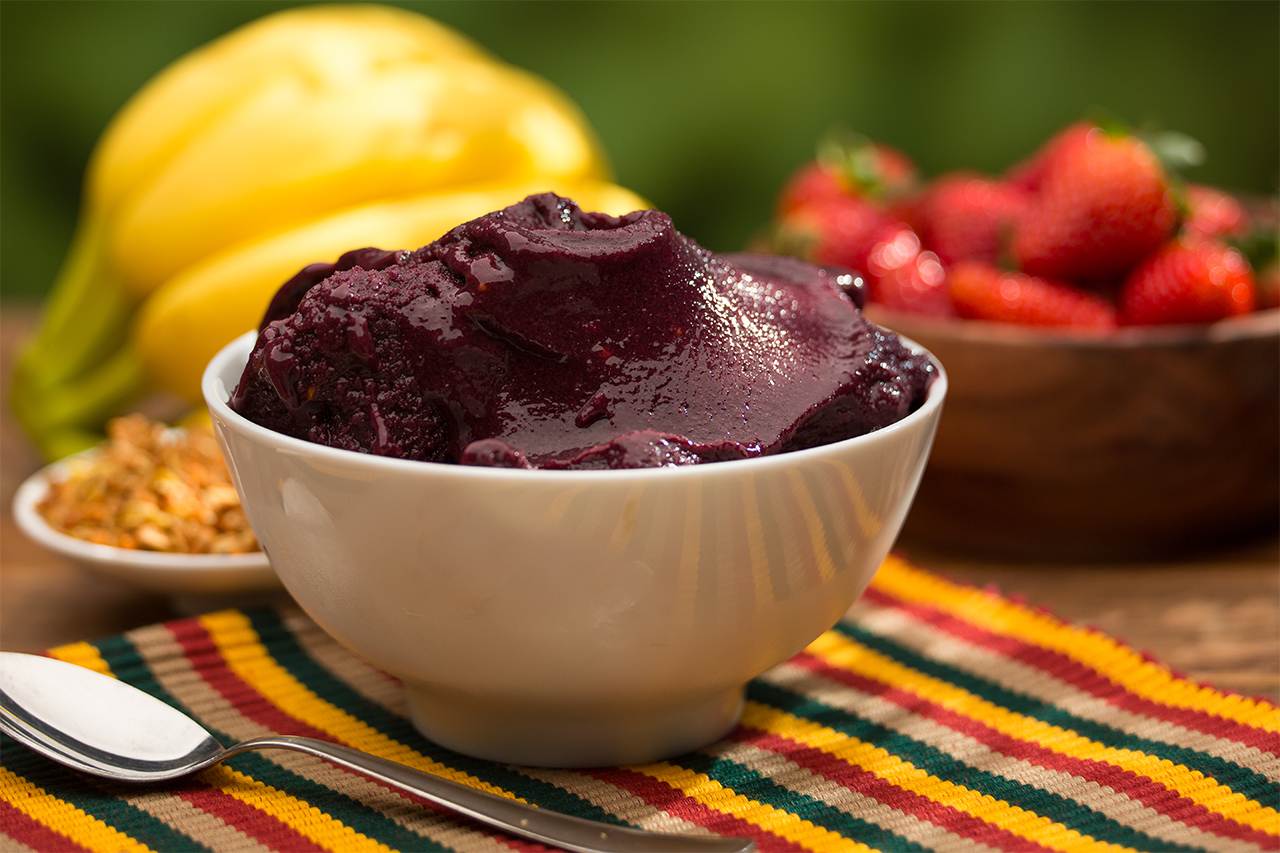
A balanced diet is not about restriction, but about making mindful choices that nourish your body
A typical “healthy” breakfast—cereal, skim milk, fruit juice—can create a blood sugar spike followed by a crash, leading to hunger and cravings by mid-morning.
At the same time, skipping breakfast entirely may increase stress hormones and trigger overeating later.
The solution: focus on nutrient-dense, balanced meals, not just labels.
Rethinking Weight Loss: It’s Not Just About Rules
Many people follow strict routines—counting calories, avoiding fats, buying “healthy” products—yet see little progress.
The issue? These strategies often ignore how the body actually responds to food.
When you begin to connect what you eat with how you feel, weight loss becomes more natural and sustainable—without extreme restriction.
Superfoods vs. Multivitamins
According to insights highlighted by the Harvard Health Publishing, many people struggle to meet nutrient needs through diet alone—especially on lower-calorie plans.
However, relying solely on multivitamins may not be the most effective solution.
Research suggests that nutrient-dense “superfoods” can provide more powerful health benefits.
What Are Superfoods?
“Superfoods” are foods with high concentrations of nutrients and bioactive compounds, supporting overall health and even longevity.
Top Superfoods:
- Açaí
- Camu-camu
- Chlorella
- Moringa
- Maca
- Spirulina
- Cacao
- Wheatgrass
These foods are often used to support natural healing, improve energy, and enhance well-being.
FAQ – Frequently Asked Questions
1. Do low-fat foods help with weight loss?
Not necessarily. Many low-fat products contain added sugars, which can contribute to weight gain.
2. Is calorie counting enough to lose weight?
No. While calories matter, hormones and metabolism play a crucial role.
3. Should I avoid all fats?
No. Avoid trans fats, but include healthy natural fats in your diet.
4. Are whole grains always healthy?
Not always. Many processed foods labeled “whole grain” are not truly whole.
5. Are superfoods better than supplements?
In many cases, yes. Whole foods provide more complex and bioavailable nutrients than pills.