Born in Rio de Janeiro from African and European roots, samba has grown into a global cultural force. From Bossa Nova in the U.S. to samba-reggae and pagode, Brazil’s rhythm now unites dancers and musicians across America, Europe, Asia, and beyond.
By Lindenberg Junior
Translation: Christine Di Stefano
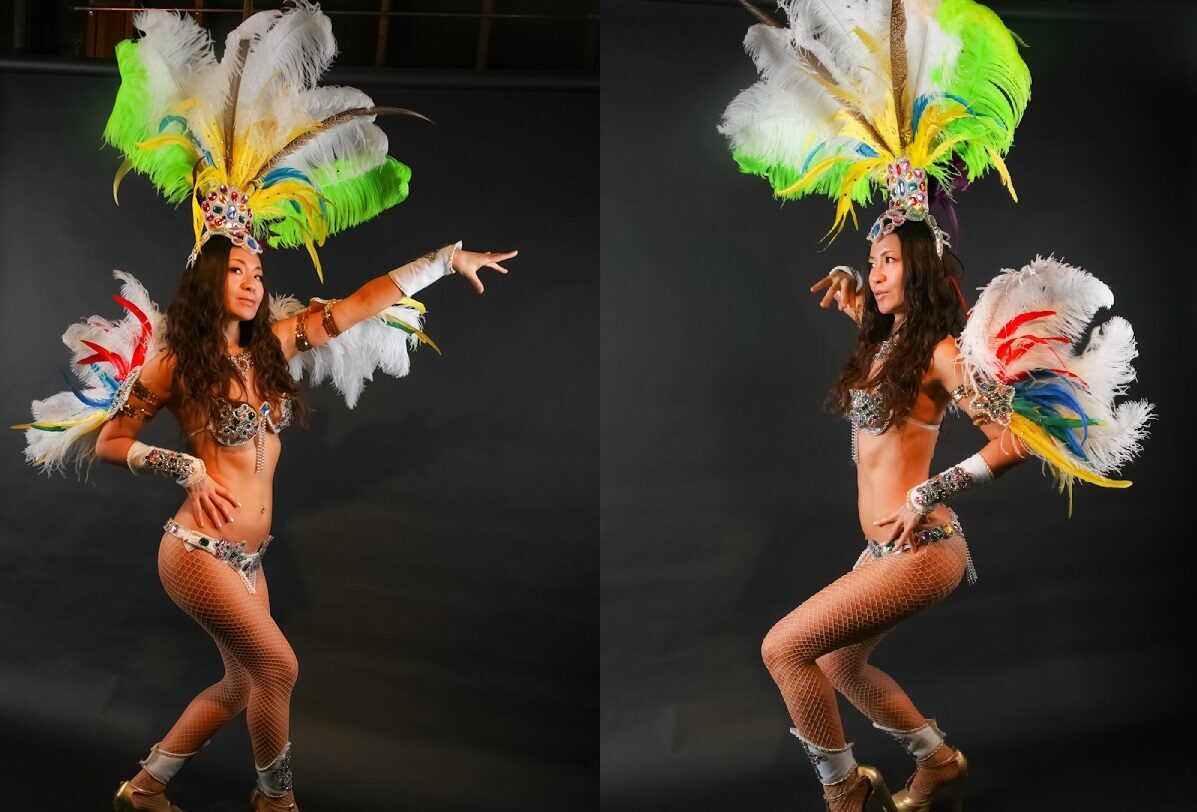
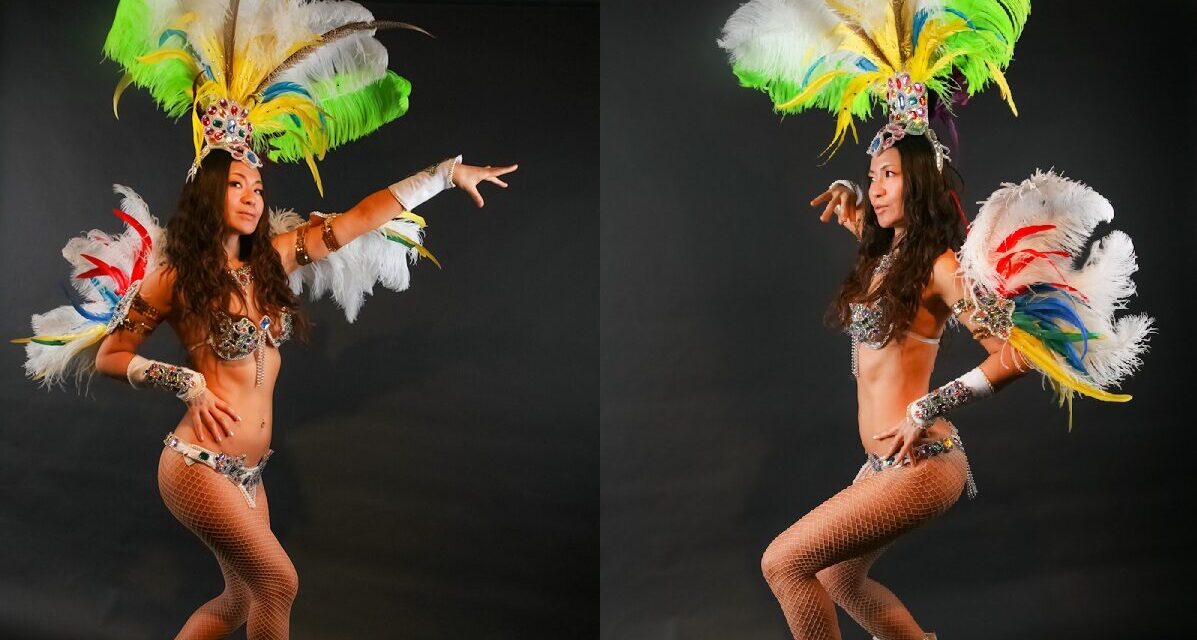
Yuu Goda is from Japan and lives in Los Angeles
Samba and Jazz share certain similarities, but their origins and development are distinctly different.
One key historical difference lies in slavery practices: Brazilian slave owners allowed enslaved Africans to continue playing drums, while many U.S. slave owners prohibited drums out of fear they would be used for communication and rebellion.
In 1917, “Pelo Telefone,” written by Donga and Mauro Almeida, became widely recognized as the first samba recording. Its success helped move samba beyond the favelas of Rio de Janeiro and into broader Brazilian society.
The Birth of a National Symbol
Samba is a musical genre derived from African and European roots, created and developed in early 20th-century Rio de Janeiro.
Over time, it became internationally recognized as:
-
The heartbeat of Brazilian Carnaval
-
A cultural expression of identity and resilience
Modern samba evolved from an earlier Brazilian genre known as Choro and has taken many forms over the decades.
From the powerful call-and-response energy of samba de enredo — the music of Carnaval parades and samba schools — to more relaxed guitar-based rhythms, samba has continually reinvented itself.
Bossa Nova: The First Global Wave
In the 1960s, samba reached American mainstream audiences through Bossa Nova — literally “new wave.”
Antonio Carlos Jobim’s “The Girl from Ipanema” became a global jazz classic, bringing Brazilian rhythm into concert halls, radio stations, and even elevators across the United States.
Reinvention: Pagode and Musical Fusion

Dominique Oneil is American and lives in San Francisco
In the early 1980s, after being overshadowed by Disco and Brazilian Rock, samba re-emerged in Brazil through a suburban Rio movement known as Pagode.
This renewed style introduced new instruments such as:
-
Banjo
-
Tam-Tam
During this period, samba also began absorbing global influences, including:
-
Reggae
-
Rap
-
Caribbean rhythms
New fusion genres emerged:
-
Sambarap
-
Samba-reggae
These styles were not only musical experiments but cultural and political efforts to unify Black communities throughout the Americas through rhythm and song.
Samba Without Borders
Throughout the 1990s and 2000s, samba continued acting as a unifying force — not only in Brazil but worldwide.
Today, samba thrives in: The United States, Japan, Australia, Canada, Europe, Russia and China.
Over the last two decades, sambistas of all ethnicities have become true ambassadors of Brazilian culture.
From Los Angeles to Tokyo, from San Francisco to Moscow, the samba wave continues.
We conclude this article by making homage to the many “Samba Dancers” in the U.S. They are Brazilians, Portuguese, Americans, Colombian, Canadian, Mexicans, Argentinean, Jamaicans, Israeli, etc.
FAQ – Frequently Asked Questions
1. What is the origin of samba?
Samba originated in early 20th-century Rio de Janeiro, drawing from African rhythms and European musical structures.
2. What was the first recorded samba song?
“Pelo Telefone,” recorded in 1917 by Donga and Mauro Almeida, is widely recognized as the first samba recording.
3. How did samba become popular internationally?
Bossa Nova in the 1960s introduced samba-influenced rhythms to global audiences, especially in the United States through songs like “The Girl from Ipanema.”
4. What is pagode?
Pagode is a 1980s revival style of samba that introduced new instruments like the banjo and tam-tam and modernized the genre.
5. Is samba only Brazilian today?
While samba was born in Brazil, it is now practiced and celebrated worldwide by people of many nationalities and ethnic backgrounds.