Brazil’s economic growth has transformed the “Made in Brazil” label into a global symbol of quality and innovation. From multinational acquisitions to cultural exports like Havaianas and cachaça, Brazilian companies have expanded their international presence. These products help break stereotypes and promote Brazilian culture worldwide. Today, Brazil’s economy and identity are firmly established beyond its borders.
Adicione: By Rebecca Carvalho
“Made in Brazil” has evolved into a global symbol of quality and innovation. Foto: reprodução/disclosure
Brazil has the largest economy in Latin America and ranks among the largest economies in the world. Its expanding domestic market has elevated the country’s international status, creating a favorable environment for foreign investment and export opportunities.
According to Apex Brasil – Brazilian Trade and Investment Promotion Agency, Brazil has strengthened its role as a major economic platform in recent years, becoming an increasingly important market for investors worldwide.
Strengthening trade relations
A promising example of Brazil’s economic relationship with foreign markets is the Brazil–Peru business roundtable, held on August 25, 2011, in Lima. According to Andina (Agencia Peruana de Noticias), Peru is the sixth-largest market for Brazilian exports, while Brazil is the third-largest supplier of Peruvian imports, after the United States and China.
Brazilian companies expanding abroad
In 2011, Brazilian meatpacker Marfrig agreed to acquire the American company Keystone Foods, becoming a major supplier to U.S. fast-food chains such as McDonald’s and Burger King. Following this wave of acquisitions, in July 2011, Dow Chemical agreed to sell two polypropylene production plants in Texas to Braskem, a Brazilian petrochemical company.
Beyond business: breaking stereotypes
While trade and marketing agreements reinforce Brazil’s economic image abroad, the presence of high-quality Brazilian products in international markets plays a crucial role in breaking stereotypes and showcasing the diversity of Brazilian culture.
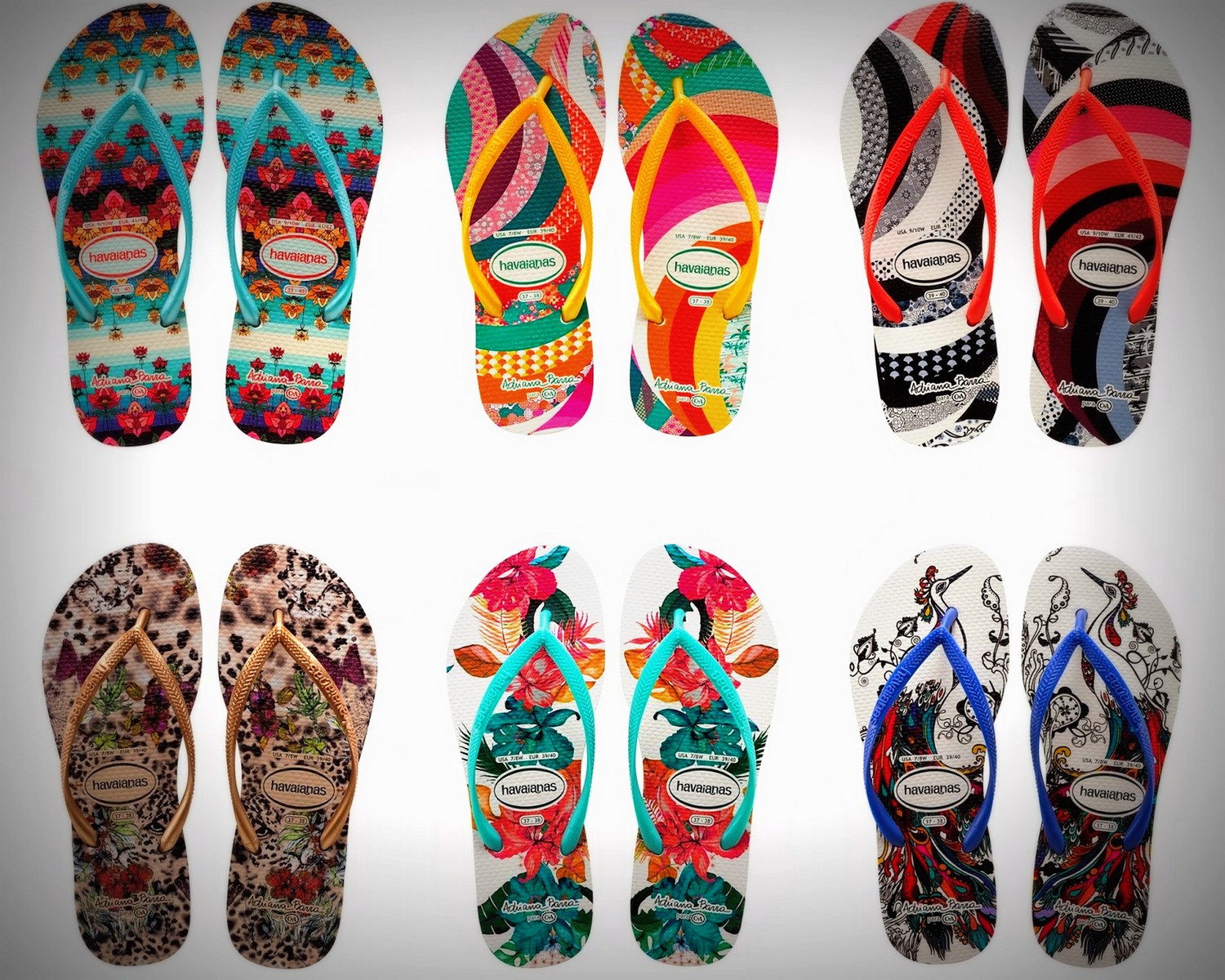
For decades, Brazil was largely seen as the land of samba and soccer, often treated as a supporting player in the global economic arena. Today, companies such as Embraer and Alpargatas (Havaianas) have helped transform the label “Made in Brazil” into a symbol of innovation, quality, and “cool stuff.” This internationalization has also helped attract even more investors to the country.

Cultural products help break stereotypes about Brazil.
Leblon cachaça: culture in a bottle
One of the most interesting international branding projects came from Leblon, a distillery in the state of Minas Gerais, focused on globalizing a uniquely Brazilian product: cachaça.
Leblon entered the U.S. market in 2005, followed by the UK and France a year later. The strategy was to introduce a high-quality cachaça at accessible prices, while educating foreign consumers about Brazilian culture and history.
Cultural marketing and global recognition
From a cultural marketing perspective, the move was highly strategic. The goal was not only to popularize cachaça worldwide, but also to explain its cultural significance and distinguish it from rum. In the U.S., cachaça is often mistakenly referred to as “Brazilian rum,” even though the two spirits are produced differently.
In 2008, Leblon launched caipirinha-making lessons, which later spread across Europe and even reached Thailand. This campaign helped elevate caipirinha to an international standard and strengthened cachaça’s reputation as an authentic product “Made in Brazil.”
Reflecting this success, USA Today once described cachaça as “the essence of Brazil in a bottle.”
Brazil everywhere
If you are Brazilian living abroad — or simply traveling — do not be surprised to find Brazilian cookies, coconut water, and açaí brands on supermarket shelves, Havaianas flip-flops on display, and Brazilian Jiu-Jitsu and capoeira academies in cities ranging from Los Angeles to Moscow.
Forget the old expression “the world is too small.” These Brazilian symbols are not coincidences — they represent the strength of Brazil’s economy, its successful entry into international markets, and the consolidation of Brazilian culture across the globe.
FAQ – Frequently Asked Questions
1. Why is “Made in Brazil” gaining global recognition?
Because Brazilian companies have expanded internationally while offering quality, innovation, and cultural value.
2. Which Brazilian brands stand out internationally?
Embraer, Havaianas, Braskem, Marfrig, and Leblon cachaça are key examples.
3. How does culture influence Brazilian exports?
Products like cachaça and Havaianas carry cultural identity, helping promote Brazil abroad.
4. What role does cachaça play in Brazil’s global image?
It represents Brazilian tradition and authenticity, especially through caipirinha’s global popularity.
5. Where can Brazilian products be found today?
In supermarkets, fashion stores, and sports academies across the U.S., Europe, Asia, and beyond.