Meditation has evolved from an ancient Eastern practice into a powerful modern tool for self-awareness and well-being. By training the mind and deepening inner focus, it helps reduce stress, improve emotional balance, and transform how we experience life.
By Maurício Bridi | Translation: Lindenberg Junior

Meditation is a powerful tool for self-awareness and emotional balance.
Who would have imagined meditation becoming so popular during the 1960s? Today, it is widely recognized as a powerful tool for self-awareness and happiness.
Long before its expansion across the Western world, Eastern masters like Paramahansa Yogananda were already teaching and gaining followers throughout different regions of America.
After three decades, meditation became part of Western culture—just as psychoanalysis dominated the intellectual landscape of the 1970s and 1980s, influenced by thinkers like Sigmund Freud and Carl Jung.
Today, meditation is practiced by thousands as part of a daily routine, and it is widely used in medicine, psychology, education, and personal development.
Reeducating the Mind Through Meditation
Reeducating your awareness is essential to meditation. The key is to redirect your focus, which can help:
- Control the mind and reduce anxiety
- Lower stress, heart rate, and blood pressure
- Increase creativity and even muscle tone
- Strengthen the immune system
- Improve sleep quality
The level of attention used in meditation allows you to observe the subtle patterns of thought. As these patterns decrease, your true inner qualities emerge, bringing feelings of peace, joy, enthusiasm, and energy.
A New Perspective on Life
Through meditation, you begin to see the world, people, and your priorities from a different perspective.
Your values evolve, your interactions change, and you become capable of transforming negative thoughts into positive actions.
Although there are different methods—such as Tibetan and Transcendental meditation—the main objective remains the same.
There are also two levels of meditation:
- A more superficial level, focused on relaxation and tranquility
- A deeper level, requiring practice, skill, and inner awareness
At this deeper level, life is experienced from within. It becomes a delicate and profound encounter with your own essence.
Balancing the Inner and Outer Worlds

It helps transform negative thoughts into positive actions.
A key question arises: Are you able to move equally between the inner and outer worlds?
When you understand the spiritual dimension, life in the physical world tends to flow more naturally. Thoughts and feelings become free from ego-driven motivations, allowing you to align with the natural rhythm of life.
This balance enables you to carry yourself with the same ease and authenticity in both inner reflection and everyday activities.
Beyond Thought: The True Experience of Meditation
Meditation goes beyond thinking—the mind is only the starting point.
A thought alone has no emotional force unless it is deeply felt. Meditation requires full inner dedication. Without this commitment, your personality and behavior will not truly change.
Just like physical exercise, if you don’t fully engage, you won’t achieve the full benefits.
A Pleasurable Daily Routine
Meditation should be practiced daily to fully experience its benefits across:
- Physical health
- Mental clarity
- Emotional balance
It should be a pleasure, not an obligation.
Anytime is a good time to meditate, but early morning is ideal. Upon waking, the mind is fresh and not yet burdened by daily concerns. The energy gained from morning meditation can positively influence your entire day—like a protective shield against stress and challenges.
Creating a consistent routine—sitting quietly or relaxing to soothing sounds—helps build a meditative state of consciousness.
Meditation in Action: Karma Yoga
Meditation is not limited to stillness. It can also happen during daily activities such as:
- Driving
- Walking
- Washing dishes
- Running errands
By gently disconnecting from distractions and remaining present, you enter a meditative state known as Karma Yoga.
This approach can be especially helpful for individuals dealing with anxiety, depression, or hyperactivity.
An Expanded Consciousness
Learning to manage your thoughts and emotions at the right time leads to a higher quality of life.
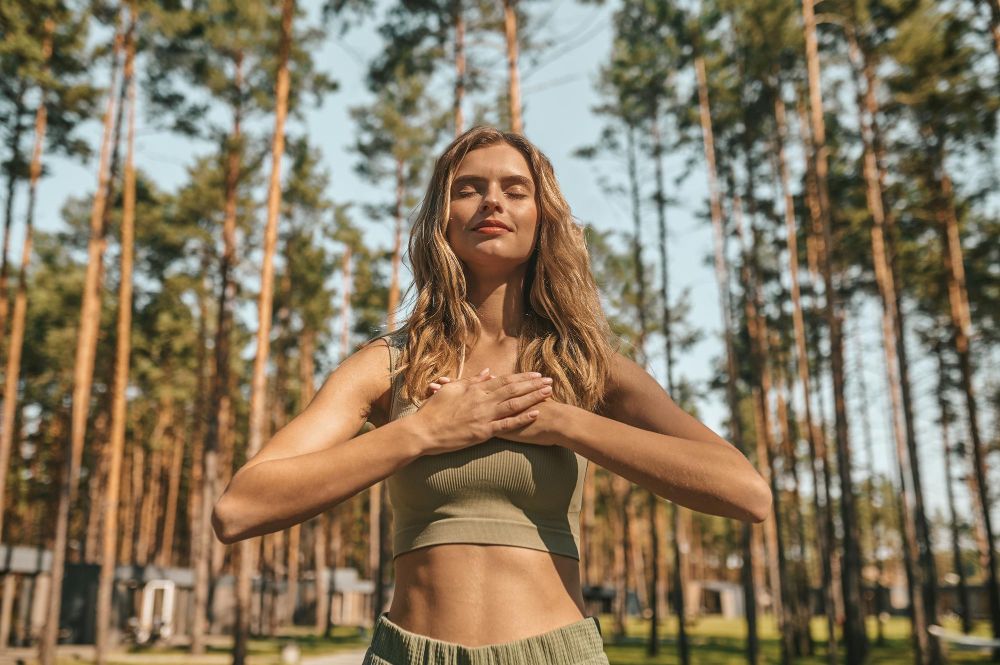
Meditation can be practiced both in stillness and daily activities.
Meditation will not eliminate your problems—but it will give you the tools to handle them more effectively and avoid creating new ones.
Life experiences remain essential for growth. To measure your development, reflect inwardly and observe how you have overcome recent challenges.
*Mauricio Bridi is a Philosopher and Yogi. Reside in São Paulo Brazil and dedicates time to the Spiritual University of Brahma Kumaris, established in India in 1937. Today the university expands 4000 schools in 70 different countries. www.brahmakumaris.com.br
FAQ – Frequently Asked Questions
1. What is the main purpose of meditation?
To develop self-awareness, reduce stress, and improve mental and emotional well-being.
2. How long should I meditate daily?
Even 10–20 minutes per day can bring noticeable benefits.
3. Is morning the best time to meditate?
Yes, because the mind is fresh and less distracted.
4. Can meditation help with anxiety and stress?
Yes, it is widely used to manage both conditions effectively.
5. What is Karma Yoga in meditation?
It is the practice of maintaining a meditative state during everyday activities.