The malandro carioca is one of Brazil’s most fascinating cultural archetypes — a witty, charming trickster who represents resilience, creativity, and street-smart survival in Rio de Janeiro. Rooted in samba culture and Afro-Brazilian history, the malandro embodies the spirit of humor, style, and adaptability that defines much of Brazilian identity.
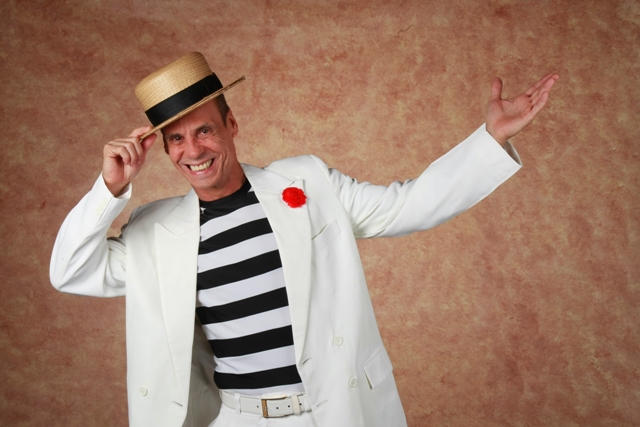
The malandro carioca is one of the most colorful symbols of Rio de Janeiro’s cultural identity.
“Jeitinho brasileiro”, “gambiarra”, “malandragem” (Brazilian way, life hacks, street smarts”) — Brazil has many terms that reflect a playful, resourceful attitude toward life’s challenges. But few figures capture that spirit as colorfully as the malandro carioca, the street-smart trickster of Rio de Janeiro. He’s a cultural archetype: witty, charismatic, resilient, and sometimes mischievous — yet always fascinating.
You’ve likely seen versions of him without realizing it. Disney’s Zé Carioca, the samba-singing parrot introduced in the 1940s, was inspired by this character. In theater, he takes center stage in The Trickster’s Opera (A Ópera do Malandro) by Chico Buarque. And in Brazil’s most famous music genre — samba — the malandro dances right through the lyrics.
Origins of the Malandro: Resistance Through Style
The figure of the malandro emerged in early 20th-century Rio, during a time of rapid urban change. Brazilian writers like Machado de Assis, Lima Barreto, and João do Rio observed how the city’s residents responded to modernization — not with political activism, but with humor, celebration, and ironic detachment.
Born in the aftermath of slavery’s abolition, the malandro represents the survival strategies of Afro-Brazilians in a city that marginalized them. He became a symbol of resistance — not through confrontation, but through charm, cleverness, and social agility.
Malandro and Samba: Style Meets Rhythm

Samba music helped transform the malandro into one of Brazil’s most enduring cultural characters.
By the 1920s, the malandro and samba became inseparable. Samba was the voice of Rio’s hills (morro), and the malandro its leading man. Dressed in a white linen suit, straw hat, striped shirt, two-tone shoes — and with a razor tucked in his pocket — he became a recurring figure in music, film, and literature.
Samba legends like Moreira da Silva, Wilson Baptista, Donga, and Geraldo Pereira wrote songs about him: sometimes a slick opportunist, sometimes a lovesick rogue trying to turn over a new leaf.
More Than a Stereotype: A Lesson in Resilience
Though once seen as lazy or criminal, the malandro has evolved. Today, he’s often viewed more positively: a symbol of resilience, creativity, and the ability to adapt. He teaches us not to act in haste, but to wait for the right moment. He makes adversity look effortless — and even fun.
In a way, understanding the malandro carioca is understanding a bit of Brazilian soul, especially the vibrant, rebellious spirit of Rio. This character is more than a samba stereotype — he’s a reminder to approach life with style, strategy, and a little bit of humor. Because for a true malandro, every day can be Carnaval.
FAQ – Frequently Asked Questions
What is a “malandro carioca” in Brazilian culture?
A malandro carioca is a cultural archetype from Rio de Janeiro representing a street-smart, charismatic trickster known for creativity, humor, and social intelligence.
Is the malandro considered a negative character?
Historically, the malandro was sometimes associated with trickery or laziness, but today he is more often seen as a symbol of resilience, cultural identity, and clever survival.
How is the malandro connected to samba?
Many classic samba songs tell stories about the malandro, portraying him as a charming rogue navigating love, hardship, and city life.
Who are famous artists linked to the malandro character?
Samba legends such as Moreira da Silva, Wilson Baptista, Donga, and Geraldo Pereira frequently portrayed the malandro in their music.
Is the malandro still relevant today?
Yes. The character continues to symbolize Brazilian creativity, adaptability, and humor, especially in discussions about culture, music, and social identity.