By Lynn Kelley
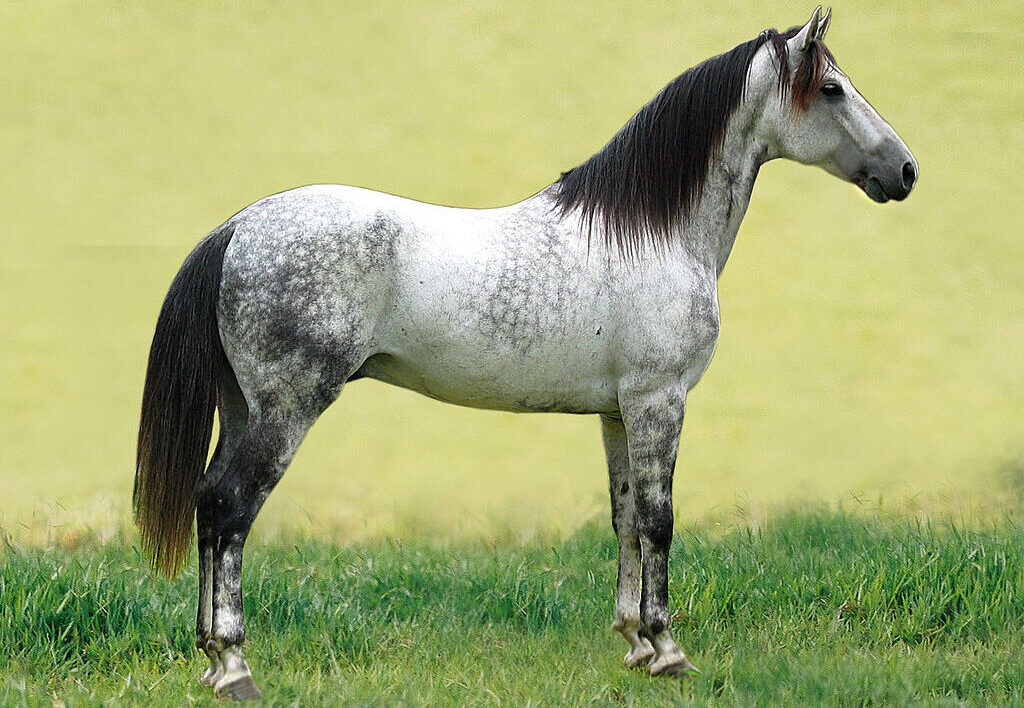
A raça descende de cavalos ibéricos trazidos pelos portugueses, herdando resistência, elegância e suavidade de movimentos.
When my husband and I retired to Arizona, we fell in love with exploring the vast beauty of the Sonoran Desert on horseback. I had previously owned elegant Arabian horses back on the East Coast, but for our new lifestyle, I needed something different – something more reliable, steady, and comfortable for long desert rides.
Searching online with terms like versatile, easy to ride, strong bones, good feet, and of course, beautiful, one name kept appearing: the Mangalarga Marchador, the National Horse of Brazil.
A Breed Refined Through Centuries of Brazilian Tradition
What sets the Mangalarga Marchador (MM) apart is the meticulous Brazilian breeding and inspection system. In Brazil, horses must pass a strict evaluation – conformation, gait, and temperament – before being approved for reproduction. This centuries-old process preserves the breed’s quality and ensures that each generation maintains the traits riders love.
Descended from ancient Iberian horses brought by Portuguese explorers, the Marchador carries a legacy of endurance, refinement, and smooth movement. Known for the marcha, its natural four-beat gait, the Marchador offers an exceptionally comfortable ride. The breed is intelligent, gentle, willing, and remarkably sure-footed—ideal for trail riding, ranch work, or endurance competition.
A Cultural Icon in Brazil
In Brazil, the story of the Marchador is told almost like an epic legend. Breeders proudly recount the sires and mares that formed the foundation of the breed. Many families have raised Marchadors for generations, making this horse a symbol of Brazilian heritage, strength, and pride.
Conformation, Colors, and Strength
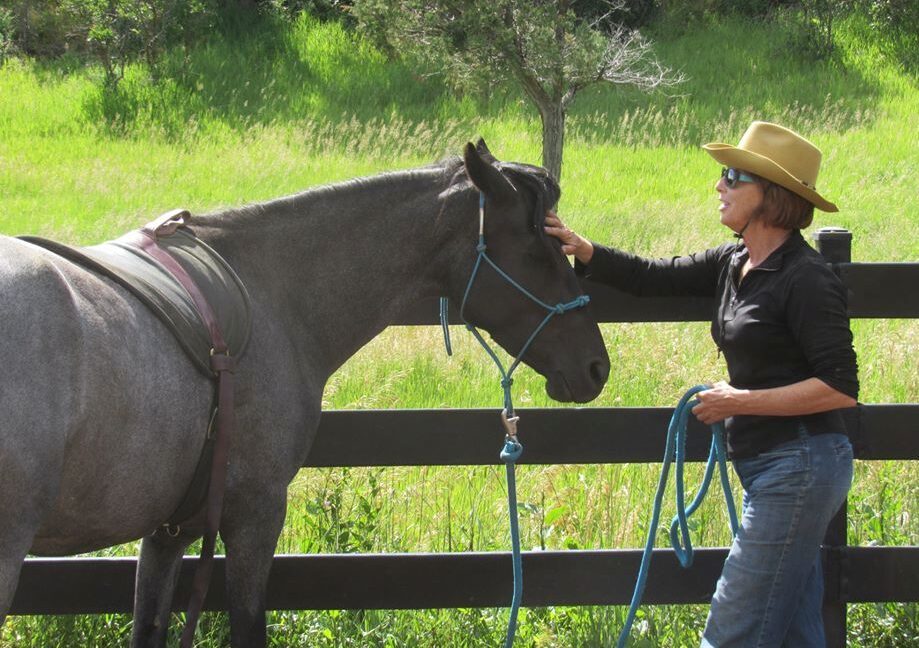
No Brasil, o Marchador é tratado como parte importante da história nacional, sendo criado por famílias que preservam a tradição há gerações.
The Mangalarga Marchador stands between 14.2 and 16 hands, averaging around 15 hands, and weighs between 850 and 1100 pounds. While gray is the most common color, the breed also displays a wide variety of shades, including chestnut, bay, black, buckskin, palomino, and pinto. Renowned for stamina, sure-footedness, and natural “cow sense,” this versatile horse even holds the Guinness World Record for the longest endurance ride – 8,694 miles completed in 1994.
The Unique Gaits: Marcha Picada and Marcha Batida
The Marchador is a gaited breed with two signature four-beat gaits:
• Marcha Picada
A smoother, more lateral gait with minimal vertical movement. Ideal for riders seeking maximum comfort over long periods.
• Marcha Batida
A diagonal four-beat gait with more engagement and overreach, comparable in footfall timing to the Peruvian Paso’s paso llano, but with better stability due to constant ground contact.
Both gaits provide moments of triple-hoof support, ensuring smoothness, safety, and balance. Importantly, neither gait disrupts the horse’s natural canter—a unique advantage riders appreciate.
Rare in North America, Treasured in Brazil
While Brazil is home to more than 250,000 Marchadors, fewer than 200 horses exist in North America. This rarity increases interest among American riders who seek a strong, comfortable, and incredibly versatile partner.

Enquanto o Brasil tem mais de 250 mil Marchadores, menos de 200 existem na América do Norte
FAQ – Frequently Asked Questions
What makes the Mangalarga Marchador different from other gaited horses?
Its two natural four-beat gaits – marcha picada and marcha batida – provide exceptional smoothness and ground stability. The horse keeps its marcha even when transitioning into a canter.
Are Marchadors good for beginners?
Yes. They have a gentle temperament, intelligence, and comfortable gaits, making them ideal for new, older, or returning riders.
How rare is the Marchador in the United States?
Extremely rare – fewer than 200 exist in North America, compared to over 250,000 in Brazil.
What type of riding is the Marchador best suited for?
Trail riding, endurance riding, ranch work, working equitation, and leisure riding.
What’s the difference between marcha picada and marcha batida?
- Picada: smoother, lateral, minimal bounce.
- Batida: diagonal, more engagement, similar to paso llano.
Are they good endurance horses?
Yes. The breed holds the Guinness World Record for the longest endurance ride—8,694 miles.
What colors are available?
Gray is most common, but chestnut, bay, black, buckskin, palomino, and pinto also appear.
How big is the average Marchador?
Between 14.2–16 hands, typically around 15 hands, and 850–1100 lbs.
Why is this horse important to Brazilian culture?
The Marchador is tied to Brazilian history, heritage, and multi-generational breeding traditions – making it a national pride symbol.