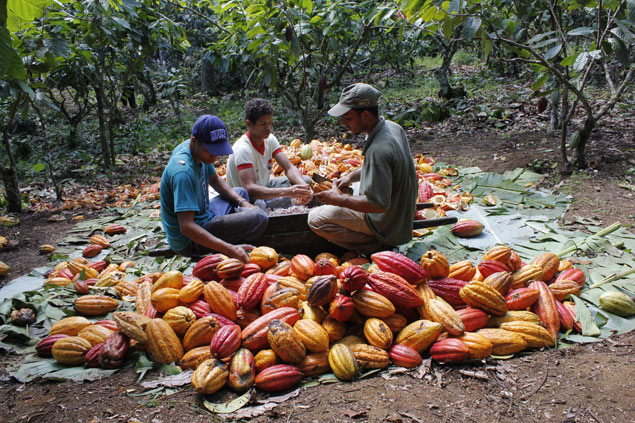
Minas Gerais offers a side of Brazil that many international visitors never see. Home to UNESCO World Heritage cities, colonial architecture, rich gastronomy, and one of the country’s most fascinating histories, the state combines cultural heritage, natural beauty, and vibrant urban life in a uniquely Brazilian experience.
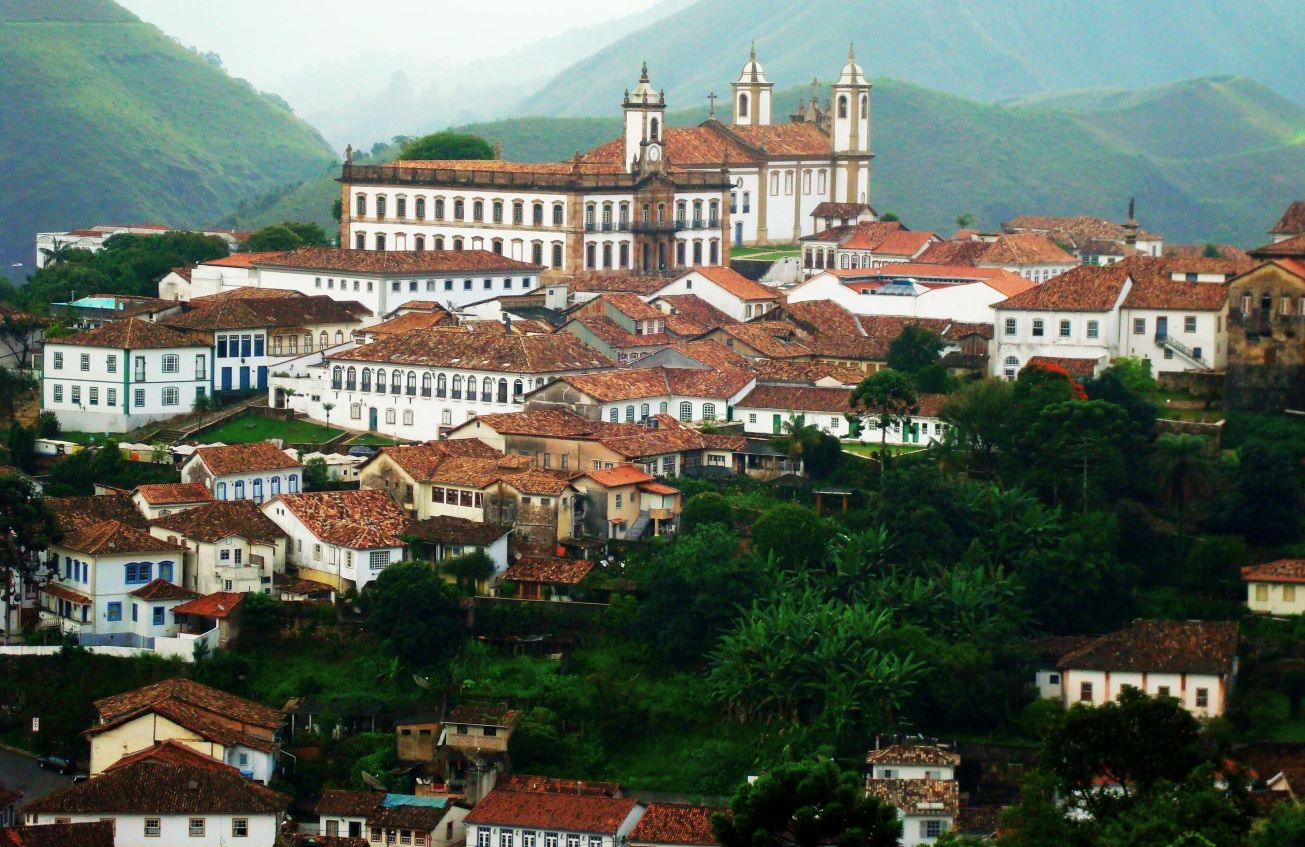
Founded at the end of the 17th century, Ouro Preto was the focal point of the gold rush and Brazil’s golden age in the 18th century.
While many international visitors associate Brazil with beaches, Rio de Janeiro, and the Amazon, Minas Gerais reveals a different side of the country—one shaped by colonial history, baroque art, gold mining, cultural traditions, and warm hospitality.
Since the 18th century, during the era of the Inconfidência Mineira, an independence movement that challenged Portuguese rule, Minas Gerais has occupied a unique place in Brazilian history. Although its destinations are often overlooked by foreign tourists, those who discover the region frequently fall in love with its authenticity, architecture, cuisine, and historical significance.
This is truly “The Other Brazil.”
Ouro Preto: Brazil’s Colonial Masterpiece
Founded in 1698, Ouro Preto became the center of Brazil’s gold rush and one of the wealthiest cities in the Portuguese Empire during the 18th century.
Located approximately 96 kilometers from Belo Horizonte, the city played a crucial role in Brazilian history. It was here that the Inconfidência Mineira movement emerged, advocating independence from Portugal long before Brazil officially became an independent nation.
Recognized by UNESCO as a World Heritage Site, Ouro Preto is celebrated for its extraordinary collection of baroque architecture and religious art. The city preserves masterpieces created by renowned artists such as Aleijadinho and Mestre Ataíde.
Among its most famous landmarks is the Church of São Francisco de Assis, widely considered one of the greatest examples of Brazilian Baroque architecture. This artistic movement, uniquely reinterpreted in Brazil, influenced visual arts, literature, theater, and architecture throughout the country.
Ouro Preto also remains an important educational center, home to some of Minas Gerais’ oldest and most traditional institutions.
Mariana: The Oldest City in Minas Gerais
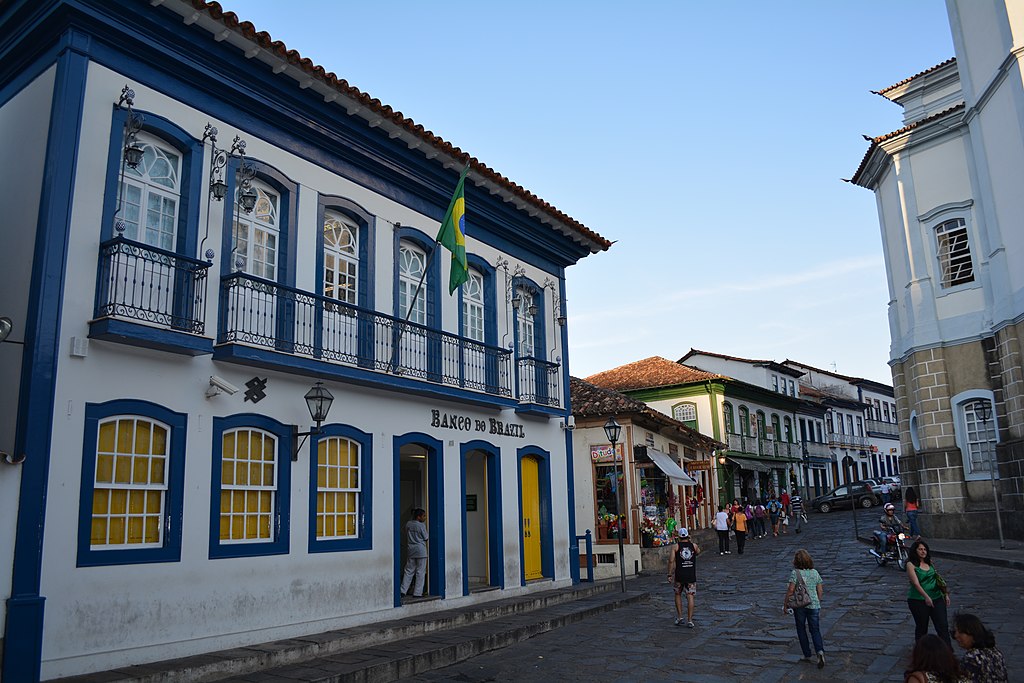
Mariana is the oldest city in the state of Minas Gerais, founded on July 16, 1696, and retains the characteristics of a barroque city. Photo by Geraldo D F Calzá
Just 15 kilometers from Ouro Preto lies Mariana, the oldest city in Minas Gerais, founded on July 16, 1696.
Today, Mariana is considered a national monument and retains much of its colonial charm. Like Ouro Preto, the city prospered during the gold mining era, benefiting from nearby mines and the riches of the Carmo River region.
Visitors are drawn not only by its historical significance but also by its impressive collection of colonial churches, squares, and architectural landmarks. Beyond the city center, the surrounding landscape offers waterfalls, mountains, and natural attractions that complement the cultural experience.
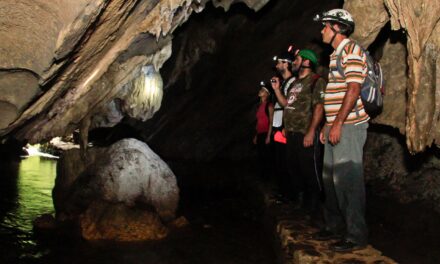
One of the region’s most fascinating sites is the Mina da Passagem, located between Mariana and Ouro Preto. Deactivated in 1985, the mine allows visitors to descend approximately 120 meters underground, where they can explore tunnels once used by miners and observe the crystal-clear waters of an underground lake.
Belo Horizonte: Minas Gerais’ Modern Capital
Following the decline of the colonial gold era, Minas Gerais sought a new administrative and economic center. The result was Belo Horizonte, a city designed from the ground up to serve as the state capital.
Unlike many Brazilian cities that developed organically over centuries, Belo Horizonte was created through a comprehensive urban planning project, making it one of Brazil’s earliest planned cities.
Today, it is among the country’s largest metropolitan areas and serves as a major center of culture, commerce, education, and innovation. The city is particularly famous for its lively social scene, traditional cuisine, and countless bars, earning a reputation as one of Brazil’s most vibrant destinations for nightlife.
A defining feature of Belo Horizonte is the influence of legendary architect Oscar Niemeyer. His iconic work can be seen in the Pampulha Modern Ensemble, one of the city’s most celebrated architectural landmarks.
Belo Horizonte also serves as the primary gateway to the historic colonial towns of Minas Gerais, making it an ideal starting point for travelers seeking to explore the state’s rich cultural heritage.
Why Minas Gerais Is Different from the Rest of Brazil
Minas Gerais offers visitors:
- UNESCO-recognized colonial cities
- World-famous Brazilian Baroque architecture
- Historic gold mining sites
- Authentic Brazilian cuisine and hospitality
- Mountain landscapes and natural beauty
- A deeper understanding of Brazil’s colonial and independence history
For travelers seeking experiences beyond Brazil’s famous beaches, Minas Gerais provides an unforgettable journey through the country’s cultural heart.
*For airline tickets from the U.S to Brazil or Latin America, customized travel packages, hotels and cruises, please visit our travel agent page or contact Magali Da Silva directly by phone or whatsapp: 1 (323)428-1963.
FAQ – Frequently Asked Questions

The city of Belo Horizonte is not close to the ocean but it is known for having many bars and lively nightlife
1. Why is Minas Gerais called “The Other Brazil”?
Because it showcases a side of Brazil focused on history, culture, colonial heritage, gastronomy, and mountain landscapes rather than beaches and tropical resorts.
2. Is Ouro Preto worth visiting?
Yes. Ouro Preto is considered one of Brazil’s most important historic cities and is recognized as a UNESCO World Heritage Site.
3. What is Mariana famous for?
Mariana is the oldest city in Minas Gerais and is known for its colonial architecture, historic churches, and the famous Mina da Passagem.
4. What makes Belo Horizonte unique?
Belo Horizonte was one of Brazil’s first planned cities and combines modern urban life with strong cultural traditions and renowned gastronomy.
5. How many days should travelers spend in Minas Gerais?
A typical itinerary ranges from 4 to 7 days, allowing visitors to explore Belo Horizonte, Ouro Preto, Mariana, and nearby historic towns.