In Brazil, soccer is far more than a sport. It serves as a powerful social, cultural, and political phenomenon that connects communities, shapes identities, reflects societal challenges, and inspires collective experiences across generations.
By Thiago Vasconcelos | Translation: Aryadne Oliveira

Few cultural phenomena connect individual identity and collective experience as strongly as soccer
Soccer is often associated with stadiums, championships, and legendary athletes. Yet in Brazil, its significance extends far beyond the field. The sport has become one of the country’s most important forms of social interaction, bringing together individuals from different social classes, backgrounds, and regions.
From a sociological perspective, soccer functions as a mechanism of collective identity. It connects people through affiliations, institutions, and communities, allowing individuals to feel part of something larger than themselves.
For this reason, soccer has become an important subject of study in sociology, which examines how individuals participate in collective experiences while simultaneously expressing their personal identities through support for a club or team.
Soccer as a Reflection of Individual and Collective Identity
To many fans, soccer represents much more than a ninety-minute match. It embodies personal experiences, social struggles, aspirations, achievements, and emotional connections.
The sport creates spaces where communities can gather, celebrate, and share experiences. Within Brazilian popular culture, few manifestations have achieved the same level of influence and emotional resonance as soccer.
It is often described as an expression of joy, creativity, and popular art, creating harmony between individual identity and collective belonging.
When someone says, “I am Flamengo,” the statement carries symbolic meaning:
- “I” represents individuality.
- “Am” represents identity.
- “Flamengo” represents community and collective belonging.
This simple expression illustrates how soccer clubs become extensions of personal and social identity.
Organized Supporters Groups: Beyond the Stadiums
In Brazil, organized supporters groups, known as “torcidas organizadas,” represent more than a sporting phenomenon. They are also social, cultural, and political institutions that reflect broader realities within Brazilian society.
These groups evolved from the traditional “charangas” and eventually developed into structured organizations with their own:
- Uniforms
- Symbols
- Mascots
- Chants
- Rituals
- Hierarchical leadership structures
For many members, participation provides a sense of belonging, recognition, and community.
The Challenges of Violence and Rivalries
At the same time, organized supporters groups have faced significant criticism due to episodes of violence, vandalism, and criminal activity associated with some factions.
Rivalries between clubs occasionally extend beyond sporting competition, creating security concerns around matches and public events.
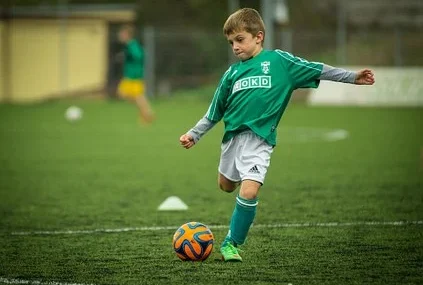
Soccer creates communities, traditions, and social bonds that extend far beyond the stadium
Historically, studies have shown that most participants in these groups are young adults between 18 and 24 years old, although younger supporters may also become involved.
The phenomenon is often compared to European hooliganism. However, while hooligan movements in some countries have historically been linked to extremist political ideologies, Brazilian organized supporters groups are generally analyzed within the context of broader social inequalities and urban challenges.
Community Impact and Social Projects
Despite controversies, it is important to recognize the positive contributions made by many supporters organizations.
Across Brazil, numerous groups organize:
- Food donation campaigns
- Toy drives
- Clothing collections
- Community support initiatives
- Charity events for low-income families
These activities demonstrate how soccer can function as a tool for social solidarity and community engagement.
Inside stadiums, supporters groups also help create the vibrant atmosphere that has become one of the defining characteristics of Brazilian soccer culture. Their coordinated chants, flags, and displays contribute to an unforgettable sporting experience.
Corruption and the Challenges Facing Brazilian Soccer
Like many institutions, soccer often mirrors the strengths and weaknesses of the society in which it exists.
One recurring issue has been corruption. Over the years, Brazilian soccer has experienced scandals involving match manipulation, officiating controversies, and disputes surrounding competitions.
Cases such as betting scandals, championship controversies, and allegations involving referees have highlighted concerns regarding governance and transparency within the sport.
These episodes demonstrate how broader societal issues can also affect the country’s most popular sport.
However, reforms, increased oversight, and greater public scrutiny have contributed to ongoing efforts aimed at improving transparency and accountability throughout Brazilian soccer.
Soccer’s Lasting Influence on Brazilian Society
Few cultural expressions have shaped Brazil as profoundly as soccer.
It serves simultaneously as:
- A form of entertainment
- A source of national pride
- A tool for social integration
- A reflection of societal challenges
- A powerful expression of collective identity
Whether celebrated in packed stadiums, neighborhood streets, or family gatherings, soccer remains one of the strongest symbols of Brazilian culture and social life.