Dance is one of the most universal forms of human expression, blending joy, freedom, and connection. This reflective essay explores how movement transcends culture, age, and language—nourishing both body and soul.
By Giovanni Da Silva
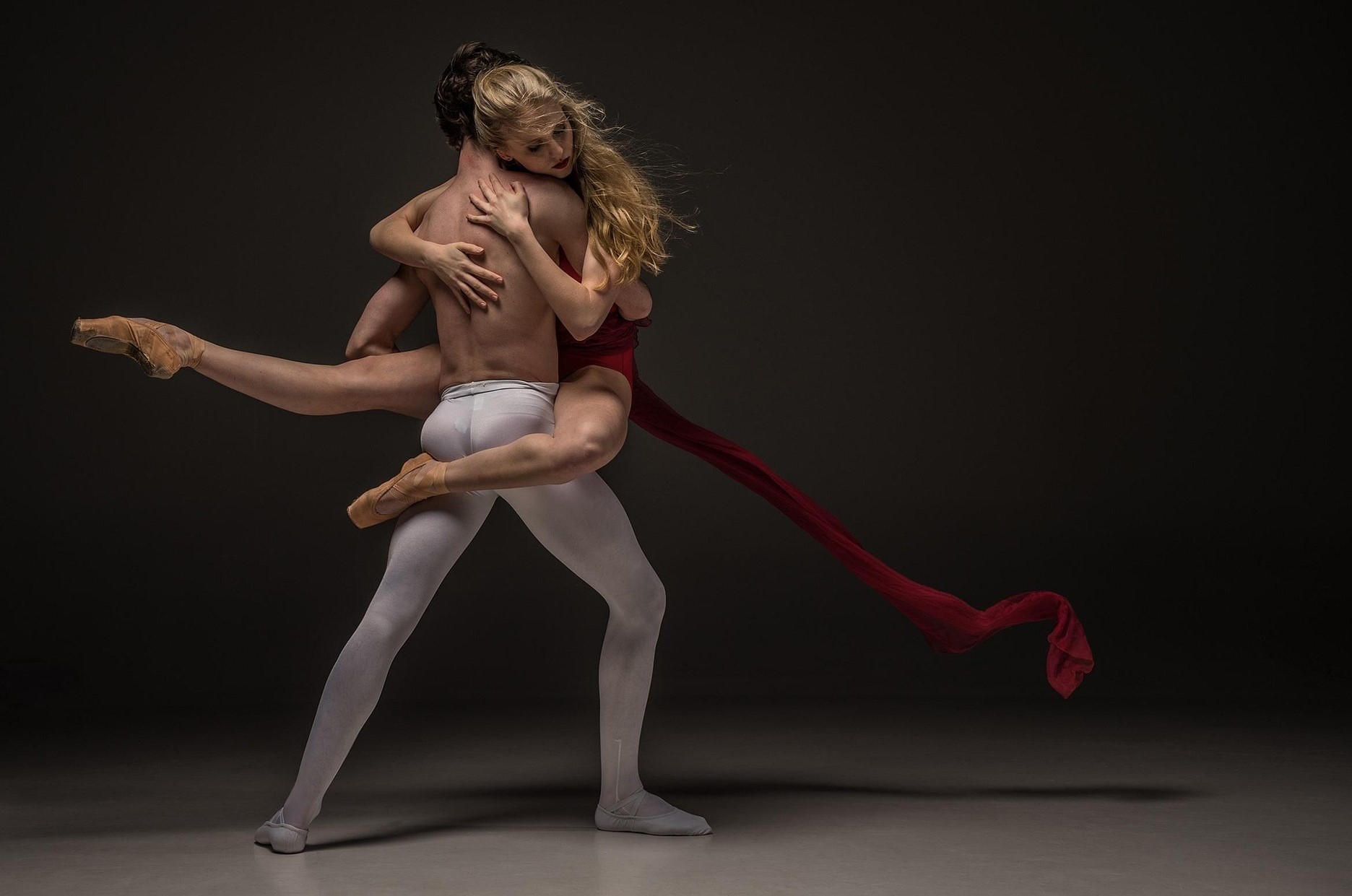
Dance is a universal language of human expression.
Dance, in its many forms, is one of the most universal and beautiful ways to communicate the complexities of the human experience. From the rhythmic grace of ballet to the passionate stomps of Flamenco, dance expresses emotions, stories, and even abstract ideas—much like the intricate beauty of Saturn’s rings.
More than an art form, dance is a way of experiencing the world and ourselves more deeply and more connectedly.
The First Steps: Joy in Motion
From the moment I began dancing, it felt as though happiness was coursing through my veins. Every step and movement carried a joy that words could never fully express. There was a rush of energy, a release from everyday worries, and a profound connection to something larger than myself.
Dance isn’t just about technique—it’s about being fully alive in the present moment, immersed in the rhythm of life.
A Universal Language Beyond Borders
Dance is not confined by age, culture, or geography. It spans generations and continents, making it one of the most inclusive art forms in existence.
From an infant’s instinctive movements to the graceful pirouettes of a seasoned dancer, from the explosive power of hip-hop to the gentle sway of a waltz, dance transcends time and space. It allows us to express joy, sorrow, anger, love, and everything in between.
A Place for Every Body and Style
One of dance’s greatest strengths is its adaptability. It welcomes every body type, personality, and style. Whether drawn to the fiery passion of Flamenco, the elegance and storytelling of ballet, or the joyful social energy of square dancing, there is a place for everyone.
Each dance form carries its own emotional language, connecting us not only to the art itself, but also to the communities that gather around it.
Freedom Through Movement
At its core, dance is about freedom. When we dance, we temporarily escape the constraints of daily life. Responsibilities, anxieties, and stresses dissolve as the body takes over—guided by rhythm, movement, and music.
In these moments, the world fades into the background. We are fully present, liberated, and deeply connected to ourselves. Dance offers inner peace, joy, and a reminder of the simple beauty of being alive.
Dance as a Tool for Personal Growth
Beyond expression, dance is also a powerful teacher. It cultivates:
-
Discipline
-
Perseverance
-
Patience
As we refine technique and learn choreography, we gain a deeper understanding of both body and mind. We learn to overcome challenges, build confidence, and develop resilience—skills that extend far beyond the dance floor.

Movement brings joy, freedom, and emotional release.
Physical and Mental Well-Being
The benefits of dance are not only emotional but also physical. Dance:
-
Improves flexibility, balance, and coordination
-
Strengthens muscles
-
Enhances cardiovascular health
At the same time, it offers mental clarity and stress relief that few other activities can match. Dance is a full-body workout that nourishes both body and soul.
Connection, Community, and Belonging
What truly makes dance extraordinary is its power to connect people. In group settings—whether in classes, performances, or social gatherings—there is a shared energy that unites everyone involved.
Moving together to the same rhythm creates bonds beyond words, fostering community, collaboration, and belonging in a world increasingly shaped by isolation and digital interactions.
A Lifelong Journey
From first steps to complex choreography, dance offers a space for personal expression and collective joy. It invites us to let go of inhibition and communicate in ways words cannot.
As I’ve grown as a dancer, I’ve come to understand that dance is not merely a hobby or entertainment—it is a lifelong journey that continues to teach, inspire, and uplift. It reflects our deepest emotions and our innate desire to connect, share, and grow.
Dance, in all its forms, is a celebration of life. Whether you’re five or fifty, there is a place for you in the world of dance. It reminds us that no matter where we come from, the universal language of movement binds us all.
* Giovanni DaSilva was born in Los Angeles but also has Brazilian citizenship as his parents are Brazilians. He graduated in 2017 from Syracuse University in New York in Drama with emphasis in Musical Theater and moved to New York City after graduation. He lives between NYC and Los Angeles and works as a model, dancer and actor.
FAQ — Frequently Asked Questions
1. Why is dance considered a universal art form?
Because it transcends language, culture, and age, allowing people everywhere to express emotions through movement.
2. Do you need formal training to dance?
No. Dance is inclusive and adaptable to all skill levels and bodies.
3. What are the mental benefits of dancing?
Dance reduces stress, increases focus, boosts confidence, and promotes emotional well-being.
4. Is dance good exercise?
Yes. It improves strength, flexibility, balance, and cardiovascular health.
5. Can dance help with social connection?
Absolutely. Dance fosters community, collaboration, and a sense of belonging.