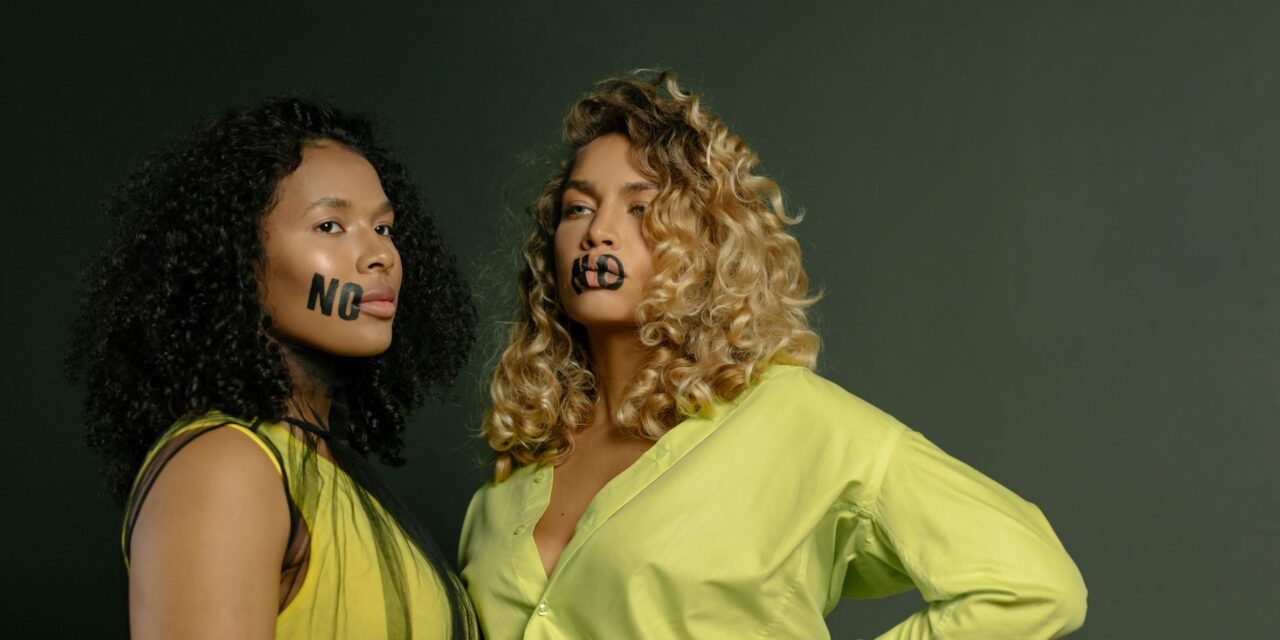
Brazil has made important legal and social advances in women’s rights over the past decade, but violence and inequality remain pressing challenges in 2026. While policies and representation improve, enforcement gaps and structural issues continue to impact millions of women across the country.

Brazil’s progress in women’s rights is rea, but deeply uneven
From symbolic recognition to life-saving policies, Brazil continues its complex journey toward gender equality.
In May 2017, then-President Michel Temer enacted a series of symbolic and practical laws aimed at improving the lives of Brazilian women. Key measures included:
-
Zuzu Angel Recognized as a National Heroine
The iconic fashion designer and activist Zuleika Angel Jones (Zuzu Angel) was officially added to Brazil’s Livro dos Heróis e Heroínas da Pátria. Her legacy—marked by resistance during the military dictatorship—continues to inspire generations. -
Ban on Shackling Pregnant Women
A critical reform in Brazil’s Penal Code prohibited the use of shackles on pregnant women during labor and postpartum, addressing long-standing human rights violations. -
National Breastfeeding Month
August was designated as Mês Nacional do Aleitamento Materno, reinforcing awareness around maternal and child health. -
Expanded Rights for Nursing Mothers
Amendments to the Child and Adolescent Statute (ECA) now ensure women receive medical guidance and follow-up support for breastfeeding. -
National Week of No Violence Against Women
Established in November, this initiative promotes public awareness, policy debate, and survivor support.
What’s Changed — and What Hasn’t
Despite legal progress, Brazil remains one of the most dangerous countries in Latin America for women.
According to recent data (2024–2025), a woman is killed approximately every 1 hour and 45 minutes, with most cases occurring in domestic environments.

Female leadership is rising across politics and the workforce
The Northeast region, including states like Rio Grande do Norte, Bahia, and Pernambuco, continues to experience rising levels of gender-based violence, driven by:
-
Weak public safety infrastructure
-
Underfunded shelters and support services
-
Insufficient police training
-
Low prosecution rates for abusers
Even with strong legislation such as the Lei Maria da Penha and Lei do Feminicídio, enforcement remains inconsistent, especially in rural and marginalized communities.
Signs of Progress: Women Leading Change
While challenges persist, 2026 also highlights meaningful progress across multiple sectors:
-
More Women in Politics
A record number of women were elected in the 2022 and 2024 elections, including Afro-Brazilian and Indigenous leaders, driven by affirmative policies. -
Workplace Inclusion
Companies and startups are increasingly adopting gender equity initiatives, with the tech sector reporting a 28% rise in female professionals since 2021. -
Grassroots Activism
Community-led movements and NGOs are filling institutional gaps, particularly in favelas and underserved areas, providing support, education, and advocacy.
The Path Forward
Women in Brazil are not waiting for systemic change—they are driving it.
From local collectives to national advocacy, Brazilian women continue to challenge structural inequality and violence, reshaping the country through resilience, leadership, and collective action.
Their fight is ongoing—but so is their impact.
FAQ – Frequently Asked Questions
1. What is the National Week of No Violence Against Women in Brazil?
It is a government-recognized awareness campaign held every November to combat domestic and gender-based violence through education, advocacy, and policy initiatives.
2. Who was Zuzu Angel and why is she important?
Zuzu Angel was a fashion designer and human rights activist who opposed Brazil’s dictatorship after her son’s disappearance. She became a symbol of resistance and was declared a national heroine in 2017.
3. Is violence against women still a major issue in Brazil in 2026?
Yes. Despite legal advances, high rates of femicide persist, especially in vulnerable regions, due to weak enforcement and limited protective infrastructure.
4. What rights do breastfeeding mothers have in Brazil today?
Women are entitled to medical support, guidance, and public health assistance, reinforced by policies like National Breastfeeding Month and ECA amendments.
5. Are women gaining more space in leadership roles?
Yes. Brazil has seen significant growth in female political representation and workforce participation, particularly in technology and public office.