Brazil is one of the world’s most diverse travel destinations, combining tropical landscapes with rich cultural heritage. From iconic landmarks like Christ the Redeemer to historic churches and cultural centers, discover the country’s top 10 tourist attractions.
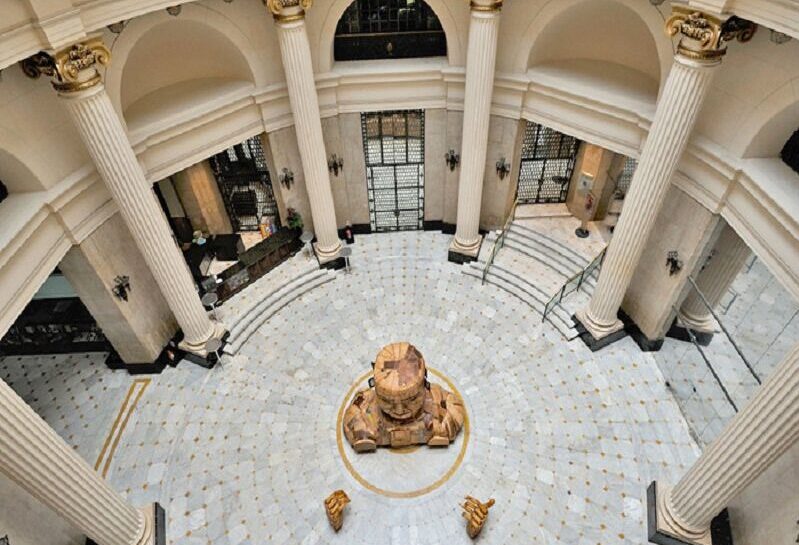
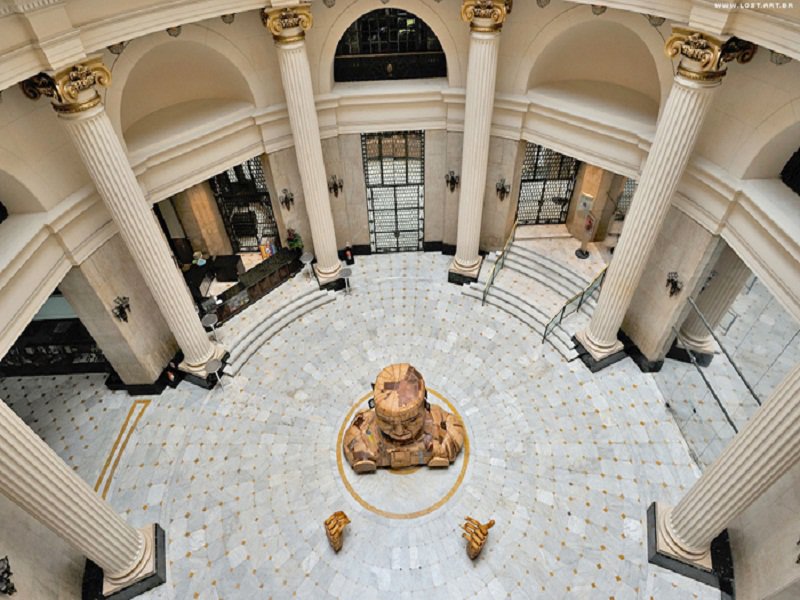
Centro Cultural Banco do Brasil, Rio de Janeiro (RJ)
Brazil occupies almost half of South America, with most of its territory in the Southern Hemisphere and largely within tropical zones.
With more than 7,400 km of Atlantic coastline, the country is a top destination for travelers seeking a true “tropical vibe” experience, featuring beaches, rainforests, and diverse wildlife.
However, what many international tourists — and even some Brazilians — may not realize is the strong Portuguese influence reflected in:
- Colonial architecture
- Decorative arts
- Traditional glazed tiles in churches and convents
This makes Brazil not only a natural paradise but also a rich cultural and historical destination.
Top Attractions Voted by Travelers
According to an annual ranking based on user reviews from TripAdvisor, Brazil’s top attractions include a mix of iconic landmarks, cultural centers, and historic churches.
It comes as no surprise that Christ the Redeemer in Rio de Janeiro leads the list, followed by other remarkable destinations across the country.
Brazil’s Top 10 Tourist Attractions
1. Christ the Redeemer — Rio de Janeiro (RJ)
One of the New Seven Wonders of the World, this iconic statue overlooks Rio and is a global symbol of Brazil.
2. Centro Cultural Banco do Brasil — Rio de Janeiro (RJ)
A major cultural hub in downtown Rio, known for its art exhibitions, theater, and events.
3. Metropolitan Cathedral — Brasília (DF)
An architectural masterpiece designed by Oscar Niemeyer, famous for its unique modernist design.
4. Itaipu Hydroelectric Plant — Foz do Iguaçu (PR)
One of the largest hydroelectric plants in the world, offering impressive guided tours.
5. Teatro Amazonas — Manaus (AM)
A historic opera house in the Amazon, reflecting the wealth of the rubber boom era.
6. Liberty Square — Belo Horizonte (MG)
A cultural complex surrounded by museums and historic buildings.
7. Stone Cathedral — Canela (RS)
A stunning Gothic-style church and one of southern Brazil’s most iconic landmarks.
8. Church of São Francisco — Salvador (BA)
Famous for its gold-covered interior, representing Brazil’s colonial religious art.
9. St. Peter the Apostle Church — Gramado (RS)
A charming stone church located in one of Brazil’s most popular tourist towns.
10. Monastery of São Bento — São Paulo (SP)
Known for its Gregorian chants and historic architecture, located in downtown São Paulo.
Tourism Trends in Brazil
According to Brazil’s Ministry of Tourism:
- Rio de Janeiro is the second most visited city by Brazilians, behind São Paulo
- Internationally, the city attracts many Argentine and American tourists
This reinforces Brazil’s position as a destination that blends global appeal with local diversity.
A Destination for Every Traveler
From natural wonders to cultural landmarks, Brazil offers something for every type of traveler.
Whether you’re exploring the Amazon, relaxing on the coast, or diving into history, the country delivers a unique and unforgettable experience.
* For airfare from the United States to Brazil or Latin America, customized travel packages, alternative accommodations, as well as travel planning consultation please visit our travel agent page or contact Magali da Silva directly by phone or whatsapp: 1(323)428-1963.
FAQ – Frequently Asked Questions
1. What is the most visited tourist attraction in Brazil?
Christ the Redeemer in Rio de Janeiro is the most iconic and visited landmark.
2. Is Brazil only about beaches and nature?
No, Brazil also has a rich cultural and historical heritage influenced by Portugal.
3. Which cities are most popular among tourists?
Rio de Janeiro and São Paulo are the most visited, both domestically and internationally.
4. Are Brazil’s attractions suitable for international tourists?
Yes, Brazil offers a wide range of attractions for all travel styles.
5. What makes Brazil unique as a destination?
Its combination of tropical landscapes, cultural diversity, and historical richness.